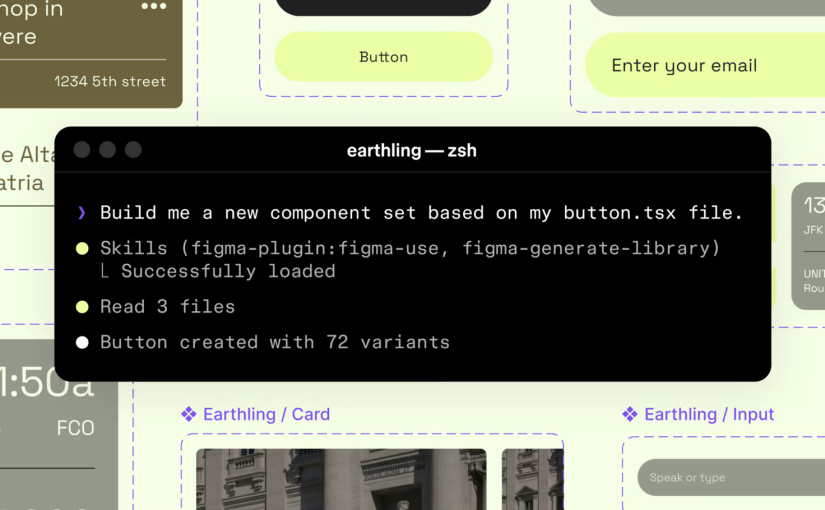
Claude Code to Figma: How the New “Code to Canvas” Integration Works

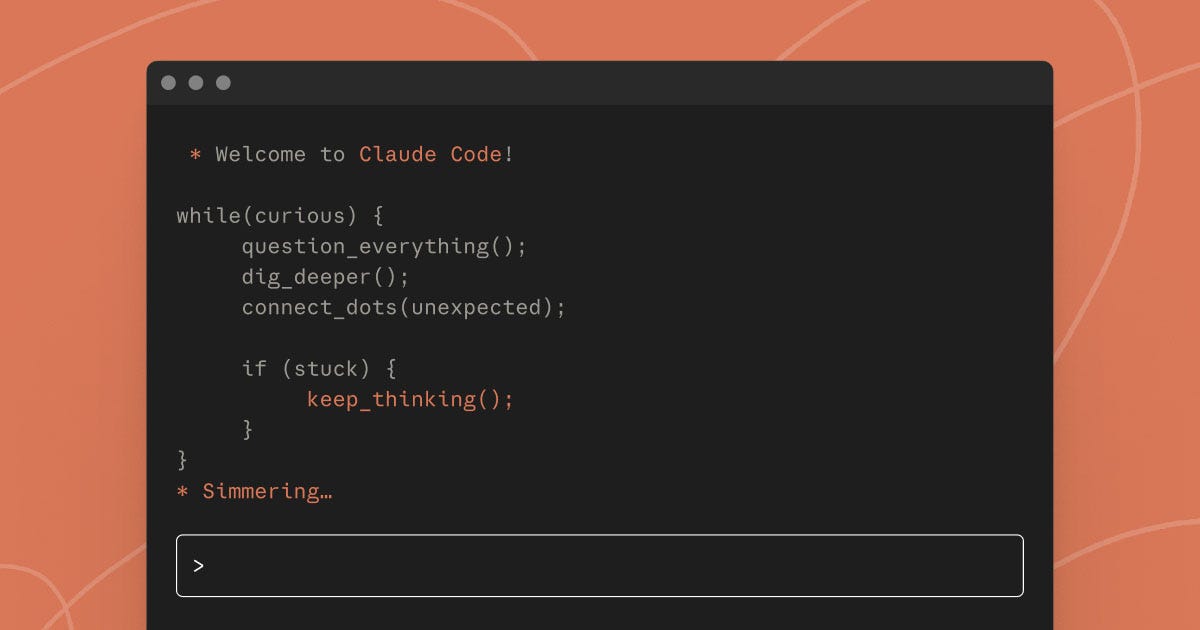
Claude Code to Figma (officially called “Code to Canvas”) is a new integration between Anthropic’s Claude Code and the Figma design canvas. Announced on February 17, 2026, it lets developers, designers, and product teams capture a functioning UI built with Claude Code and convert it into a fully editable Figma frame. Not a screenshot. Not a flattened image. A real design artifact that teams can manipulate, annotate, and iterate on.

For years, the design-to-code pipeline moved in one direction. Designers handed off. Engineers interpreted. Context got lost somewhere in between. This integration opens the reverse direction, and it changes how teams evaluate AI-generated interfaces.

What Is Claude Code to Figma? (And Why It Matters Now)

AI coding tools have made it trivially easy to go from idea to working prototype. Claude Code, Cursor, Windsurf. You describe what you want, and you get a functioning interface in minutes. The bottleneck moved. It is no longer “how do we build this?” It is “how do we decide which version to ship?”

That decision process lives on the canvas. It lives in Figma, where teams compare options side by side, leave comments, and align before committing to a direction. Until now, there was no clean way to bring a coded prototype back into that decision space.

Figma’s partnership with Anthropic addresses exactly this gap. The question is no longer whether AI can build interfaces. It is whether teams can evaluate and refine what AI builds, together, in a shared space.

How Code to Canvas Works: The Step-by-Step Workflow

The core workflow has four steps:

  1. Build or iterate on a UI using Claude Code. Local dev server, staging environment, production. Anything running in a browser.
  2. Capture the screen. The integration grabs the live browser state and converts it into a Figma-compatible frame.
  3. Paste into Figma. The captured screen lands on your canvas as an editable design artifact. Not a flat image. A real frame.
  4. Collaborate. Your team annotates, duplicates, rearranges, and compares options directly on the canvas. No code access required.

The power is in multi-screen sessions. You can capture an entire flow (onboarding, checkout, settings) and lay it out on the canvas in a single session, preserving sequence and context. Duplicate frames, test structural changes, compare alternatives. Rejected ideas stay visible for future reference. The canvas becomes a decision-making space for AI-generated interfaces.

Setting Up the Figma MCP Server with Claude Code

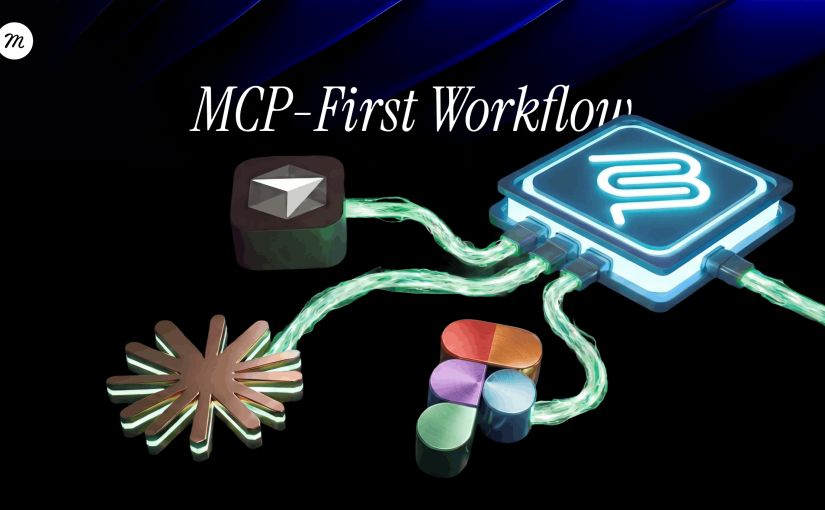
The integration runs on Figma’s MCP (Model Context Protocol) Server. MCP is an open standard that allows AI tools to connect with external data sources and applications. Think of it as a universal adapter between Claude Code and Figma’s design environment.

Setup takes three steps:

  1. Enable the MCP server. Open Figma desktop app preferences, turn on “Dev Mode MCP Server.” It runs locally at http://127.0.0.1:3845/sse.
  2. Connect Claude Code. Run a single terminal command: claude mcp add --transport sse figma-dev-mode-mcp-server http://127.0.0.1:3845/sse
  3. Start working. Reference Figma designs by selecting frames directly in the desktop app, or paste design links into Claude Code prompts.

Requirements: Figma desktop app (not the browser version), a Figma Dev or Full seat, and Claude Code installed via npm.

Once connected, the pipeline flows both ways. You can push code into Figma, and you can pull design context into Claude Code. The MCP server does not just pass screenshots. It reads components, variables, styles, and layout structure. Claude understands your design system semantically.

If you are already working with MCP-connected design workflows, this is the natural next step.

Claude Code to Figma vs. Figma Make vs. Figma MCP: What Is the Difference?

These three tools serve different purposes within the same ecosystem. Here is how they compare:

Claude Code to Figma (Code to Canvas)Figma MakeFigma MCP Server
DirectionCode to designText/design to codeBidirectional context layer
Starting pointA working UI in a browserA prompt or an existing designAny Figma frame or Claude Code session
OutputEditable Figma framesFront-end code or prototypeStructured design context for AI tools
Primary userDevelopers, technical designersDesigners, non-technical usersBoth, as infrastructure
Best forBringing AI-built prototypes back to the canvas for team reviewGenerating code directly from designs or natural languageConnecting design systems to AI coding tools

Figma positioned these as complementary: different starting points, same destination. Figma Make is more accessible to non-engineers. Claude Code to Figma is faster for teams already building full working web apps in the terminal.

What Designers Can Do (Without Writing Code)

Once a coded UI lands on the Figma canvas, designers work in their native environment:

  • Side-by-side comparison. Place multiple AI-generated variants next to each other. Spot patterns, gaps, and inconsistencies across flows.
  • Structural exploration. Duplicate frames, rearrange steps, test layout changes. No code required to explore a different information hierarchy.
  • Annotation and feedback. Leave comments on actual built interfaces, not approximations. PMs, designers, and engineers react to the same artifact at the same fidelity.
  • Design system alignment. Check whether the AI-generated UI matches your existing components, tokens, and patterns. Flag inconsistencies before they reach production.

The designer’s role shifts. When AI generates five variants in minutes, the bottleneck is choosing. The canvas is where choosing happens.

Canvas to Code: The Return Trip

The reverse direction matters just as much. Select a frame in Figma, prompt Claude Code with a link to it, and Claude generates production-ready code that respects your design system. It reads your components, tokens, and Tailwind variables. Not a rough approximation. Actual code that matches your system.

This creates a true round-trip workflow:

Design in Figma > Generate code with Claude > Capture working UI back to Figma > Refine on canvas > Push updates back to code

Each cycle preserves context. Nothing gets lost in translation because the same system of record (MCP) connects both environments. For teams working with AI design tools, this is the closest thing to a closed loop between design and development.

Known Limitations and Workarounds

This is a powerful integration, but it is not a magic bullet. Some realities to keep in mind:

  • Terminal-first workflow. Claude Code lives in the command line. Designers unfamiliar with terminal tools will need support during setup. If you are new to this world, our vibe coding guide is a good starting point.
  • No visual refinement loop. Once you are back in code, adjusting padding or hover states means editing code manually. There is no in-tool visual feedback yet.
  • Multi-frame complexity. Converting multi-screen flows requires capturing each screen individually, then combining them. This adds time and token overhead for complex projects.
  • Not a sandbox. Claude Code operates directly in your codebase. Changes affect the same files engineers ship. This requires awareness, not just enthusiasm.
  • Desktop app required. The MCP server runs through Figma’s desktop application, not the browser version.
  • Token costs. Larger design files and multi-screen flows consume more tokens. For complex projects, budget accordingly.

What This Means for the Design-to-Dev Handoff

The bigger story is not about one feature. It is about the direction.

Design tools and coding tools are converging, not as competitors, but as parts of the same system. Figma is betting that AI does not replace the canvas. It feeds the canvas with more options, faster. The designer’s role shifts from producing artifacts to curating and refining what AI generates.

For teams already building with AI coding tools and Figma plugins, this integration removes the last major friction point: getting the work back into a shared space where everyone can contribute.

Code is powerful for converging on a solution. The canvas is powerful for diverging, exploring, and deciding. Now they are connected.


💡 Stay inspired every day with Muzli!

Follow us for a daily stream of design, creativity, and innovation.
Linkedin | Instagram | Twitter

Figma vs Framer: Which Design Tool Should You Actually Use in 2026?

If you’re searching for “Figma vs Framer 2026,” you’re probably not looking for a feature list.

You’re trying to decide where to invest time, focus, and budget.

Here’s the short answer.


TL;DR

  • Use Figma if you design complex digital products, manage scalable design systems, or work inside structured engineering workflows.
  • Use Framer if you need to design and publish real websites without rebuilding everything in code.
  • Use both if you’re a modern design team: product system in Figma, public-facing site in Framer.

Think of it this way:

Figma is the brain of your product.
Framer is the face your users actually see.

The real question is not which tool is better.

It’s whether you’re designing a system or shipping a site.


What Is Figma in 2026?

Figma is a collaborative product design platform focused on interface design, design systems, prototyping, and developer handoff.

It is primarily used for:

  • Designing multi-screen web and mobile applications
  • Building and maintaining design systems
  • Managing components, tokens, and variables
  • Supporting structured design-to-engineering workflows
  • Collaborating across large product teams

In 2026, Figma’s strength is not just visual editing. It is system logic.

Advanced variables and multi-mode configurations allow teams to simulate real application behavior before development begins.

Figma manages design complexity.


What Is Framer in 2026?

Framer is a visual website builder that turns design directly into a live, hosted website.

It is primarily used for:

  • Marketing websites
  • Startup homepages
  • Interactive landing pages
  • Designer portfolios
  • Motion-heavy brand experiences

Framer combines visual layout, interactions, CMS, hosting, and publishing into one workflow.

With features like server-side rendering and structured layout systems, Framer sites are not prototypes. They are production websites.

Framer removes publishing friction.


The Core Difference

The main difference between Figma and Framer is structural.

Figma is built for internal product systems.
Framer is built for external web deployment.

Figma focuses on:

  • Governance
  • Version control
  • Component architecture
  • Developer handoff

Framer focuses on:

  • Speed
  • Visual fidelity
  • Interaction
  • Going live

Once you frame it this way, the confusion disappears.


Side-by-Side Comparison

CategoryFigmaFramer
Core purposeProduct design systemWebsite builder and publisher
OutputDesign files and prototypesLive production website
Best forSaaS apps, dashboards, complex UIMarketing sites, portfolios
Dev handoffEssential via Dev ModeNot required, designer publishes
Design systemsAdvanced tokens and variablesSite-level styles and components
Biggest limitationCannot publish production sitesNot ideal for large app systems
Pricing modelPer editor seatPer project, includes hosting

When Figma Is the Right Choice

Figma is the better choice when:

  • You are designing a product with dozens of screens.
  • Your team requires strict design system governance.
  • Multiple designers collaborate on shared libraries.
  • Developers depend on structured specifications.
  • You manage variants, themes, and token-based styling.

If your design system is effectively a product in itself, Figma is the natural foundation.


When Framer Is the Right Choice

Framer is the better choice when:

  • You need a live website quickly.
  • You want interactions to ship without engineering rebuild.
  • Your marketing team needs autonomy.
  • You are building a portfolio or campaign landing page.
  • Hosting and deployment should be built into the workflow.

If the goal is shipping, not simulation, Framer dramatically shortens the path from idea to production.

For a practical look at how teams structure production ready Framer sites, see our breakdown of the best Framer website templates for 2026: https://muz.li/blog/the-best-framer-website-templates-for-2026/


The Figma-to-Framer Import Reality

Many designers assume that importing from Figma into Framer is seamless.

It is not magic.

Figma encourages free-form canvas thinking. Framer requires structured layout logic. If your Auto Layout setup is not clean and responsive, your imported structure will need rebuilding.

The practical workflow is simpler:

  • Define brand foundations and tokens in Figma.
  • Build responsive components directly in Framer for production use.

Use each tool for what it was designed to handle.


Prototyping: Simulation vs Production

Figma prototypes simulate user flows.

They are ideal for testing, validating, and presenting complex product behavior. They are not production outputs.

Framer interactions ship directly to production.

When you design a hover state or page transition in Framer, that interaction becomes part of the live site.

For apps, simulation is essential.
For websites, production readiness matters more.


Can You Use Both?

Yes. Many teams in 2026 do.

A common hybrid workflow:

  1. Product UI and design systems live in Figma.
  2. Marketing sites and growth pages are built in Framer.
  3. Brand tokens are shared between both environments.

This separation reduces friction and avoids forcing one tool into solving the wrong problem.


FAQ

Is Framer replacing Figma?

No. Framer focuses on website publishing, while Figma focuses on product design systems. Their core purposes are different.

Can you publish a website directly from Figma?

No. Figma produces design files and prototypes, not hosted production websites.

Is Framer good for SaaS product UI?

It can handle simple interfaces, but it is not built for large-scale application systems with complex state logic.

Which tool is better for startups?

If you are building the product itself, Figma is essential.
If you need a marketing site live quickly, Framer is faster.

Do design leaders use both?

Yes. Many teams separate internal product systems from public-facing web publishing.


Final Verdict

Stop comparing feature lists.

Start matching tools to workflows.

Choose Figma if you are managing complexity.
Choose Framer if you are removing friction.

The most effective teams in 2026 are not loyal to one tool.

They are clear about what they are building.


💡 Stay inspired every day with Muzli!

Follow us for a daily stream of design, creativity, and innovation.
Linkedin | Instagram | Twitter

Best Figma Plugins for Designers in 2026

A curated list of the best Figma plugins for UI/UX designers in 2026. Organized by workflow, tested in production, and filtered for plugins that actually save time.

The Figma plugin directory has over 5,000 entries. Most of them do one thing you could do manually in 30 seconds. Some of them haven’t been updated since 2023. A few of them are genuinely great.

We installed, tested, and filtered down to 16 plugins that belong in a modern design workflow. The filter was strict: does it solve a real problem, is it actively maintained, and does it work without breaking your file? If a plugin required five minutes of setup for two minutes of value, it didn’t make the list. Here’s what survived.

AI-Powered Design

This category barely existed two years ago. Now it’s the fastest-moving corner of the Figma ecosystem. These three plugins approach AI from different angles, and each one is worth knowing.

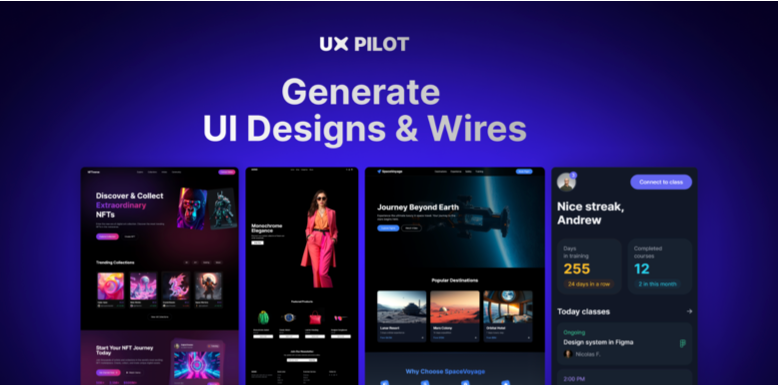
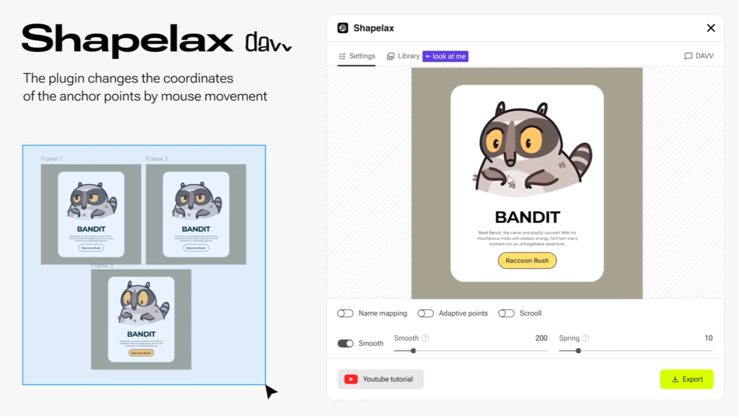
UX Pilot

Generates complete UI screens from text prompts, with built-in predictive heatmaps that show where users will look before you test anything.

Generates complete UI screens from text prompts, with built-in predictive heatmaps that show where users will look before you test anything.

  • Best for: Product designers who want fast layout exploration without leaving Figma
  • Why it works: It doesn’t just generate screens. It layers research validation on top. Describe a dashboard, get three layout options, see predicted attention maps for each. That feedback loop used to take a week.
  • Skip if: You need pixel-level control from the start. Treat its output as a first draft, not a final comp.

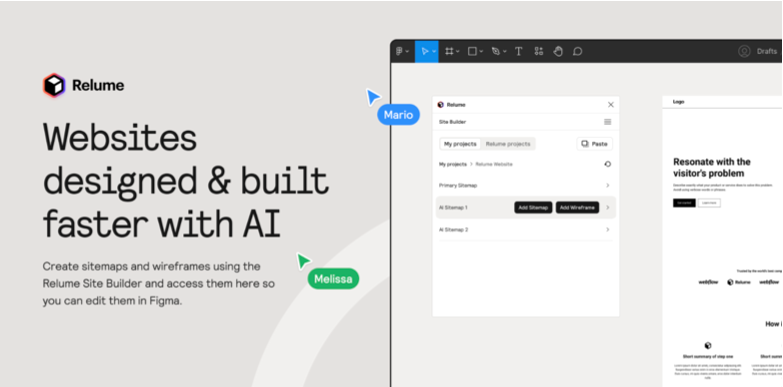
Relume

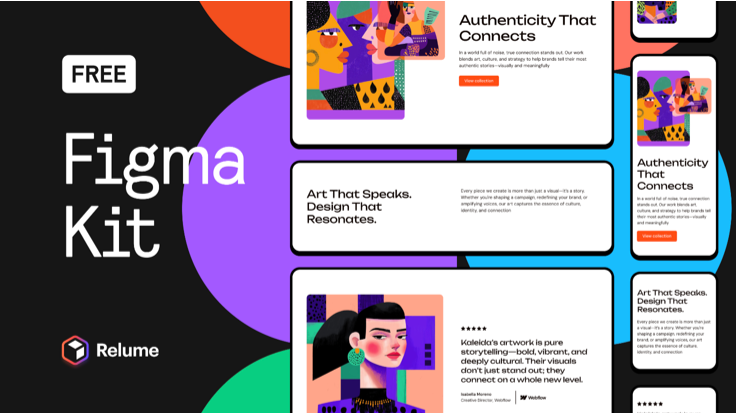
AI wireframing that generates full-page layouts from a sitemap, with direct Webflow export.

AI wireframing that generates full-page layouts from a sitemap, with direct Webflow export.

  • Best for: Freelancers and agencies building marketing sites at speed
  • Why it works: You describe a page structure in plain English and get a wireframe with real content hierarchy. The Webflow integration means your wireframe becomes a live site without rebuilding from scratch. It collapses three steps into one.
  • Skip if: You’re designing complex product UIs. Relume thinks in pages, not in systems.

Uizard

Converts hand-drawn sketches and screenshots into editable Figma screens.

Converts hand-drawn sketches and screenshots into editable Figma screens.

  • Best for: Early-stage ideation and converting whiteboard sessions into working files
  • Why it works: Take a photo of a napkin sketch, drop it in, get editable layers. It’s not going to win design awards, but it eliminates the tedious step of manually rebuilding rough concepts. Acquired by Miro in 2024 and still actively developed.
  • Skip if: You’re a senior designer who moves faster in Figma than on paper. The translation adds a step you don’t need.

Design Tokens and Systems

If you’re building or maintaining a design system in Figma, token management is the infrastructure layer that holds everything together. These plugins handle the bridge between design decisions and code. For a deeper dive into the full process, check out our guide to building a design system in Figma

Tokens Studio

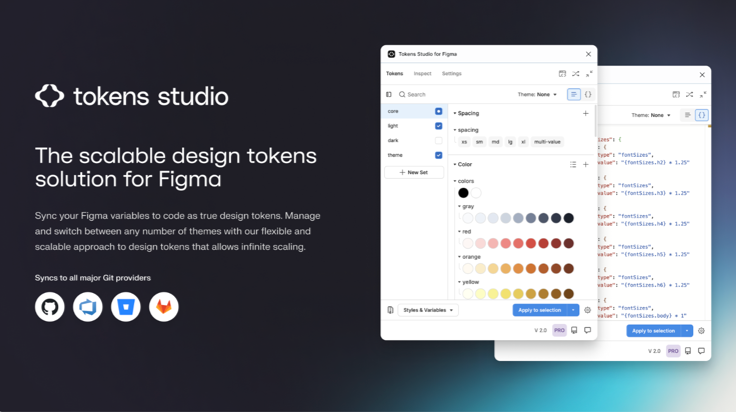
The most established token management plugin for Figma. Syncs design tokens to GitHub, GitLab, or JSONBin with full version control.

The most established token management plugin for Figma. Syncs design tokens to GitHub, GitLab, or JSONBin with full version control.

  • Best for: Design teams maintaining production design systems with developer handoff
  • Why it works: It treats tokens as data, not just styles. You define color, spacing, typography, and shadow tokens in a structured hierarchy, then push them to a Git repo where developers consume them directly. Two-way sync means changes flow in both directions. No copy-pasting hex values into Slack.
  • Skip if: You’re a solo designer with a small project. The setup overhead only pays off at scale.

Supa Design Tokens

A lighter, faster token setup tool that generates tokens from your existing Figma styles.

A lighter, faster token setup tool that generates tokens from your existing Figma styles.

  • Best for: Designers who want token structure without the full Tokens Studio workflow
  • Why it works: Point it at your existing styles. It extracts and organizes them into a token-ready format in minutes. No Git integration, no complex config. Just clean token output you can hand to a developer or feed into a build pipeline.
  • Skip if: You need two-way sync or version control. Use Tokens Studio for that.

Design Tokens W3C Export

Exports your Figma tokens in the W3C Design Tokens specification format.

Exports your Figma tokens in the W3C Design Tokens specification format.

  • Best for: Teams adopting the W3C standard for cross-tool token interoperability
  • Why it works: The W3C Design Tokens spec is becoming the industry standard for how tokens are defined and shared across tools. This plugin exports your Figma tokens in that exact format. Future-proofing, essentially.
  • Skip if: Your team doesn’t care about spec compliance yet. It’s a standards play, not a productivity play.

Accessibility and QA

Accessibility plugins have gone from “nice to have” to “part of the workflow.” Shipping inaccessible designs in 2026 is a liability, not just bad practice. These three cover different depths of the same problem.

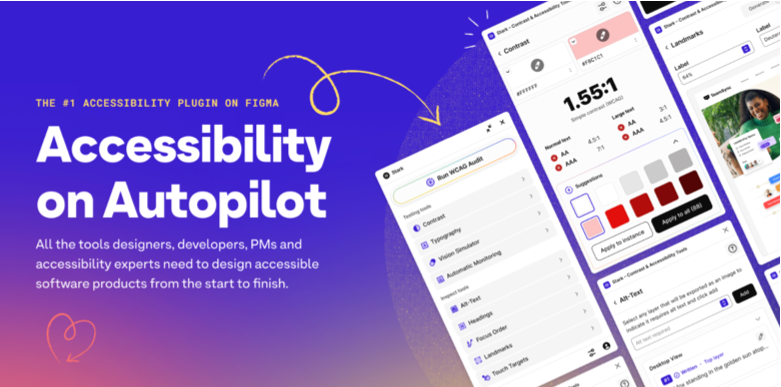
Stark

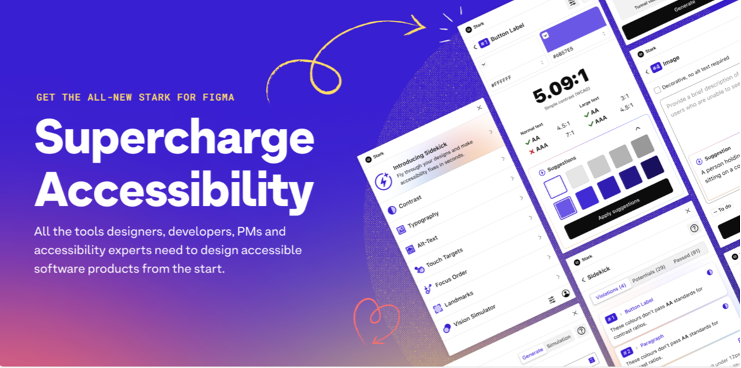
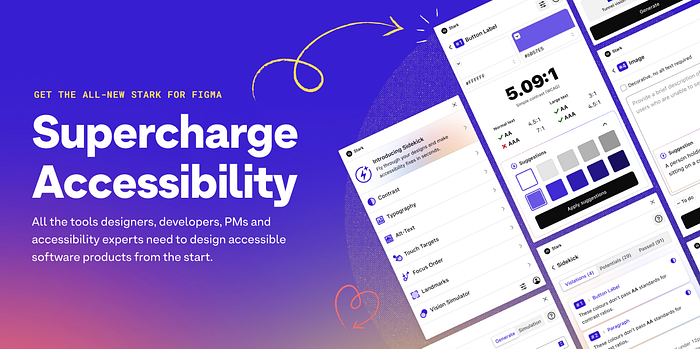
The most comprehensive accessibility suite for Figma. Contrast checking, vision simulation, alt text suggestions, focus order, touch target sizing, and more.

The most comprehensive accessibility suite for Figma. Contrast checking, vision simulation, alt text suggestions, focus order, touch target sizing, and more.

  • Best for: Teams that need a full accessibility audit inside Figma
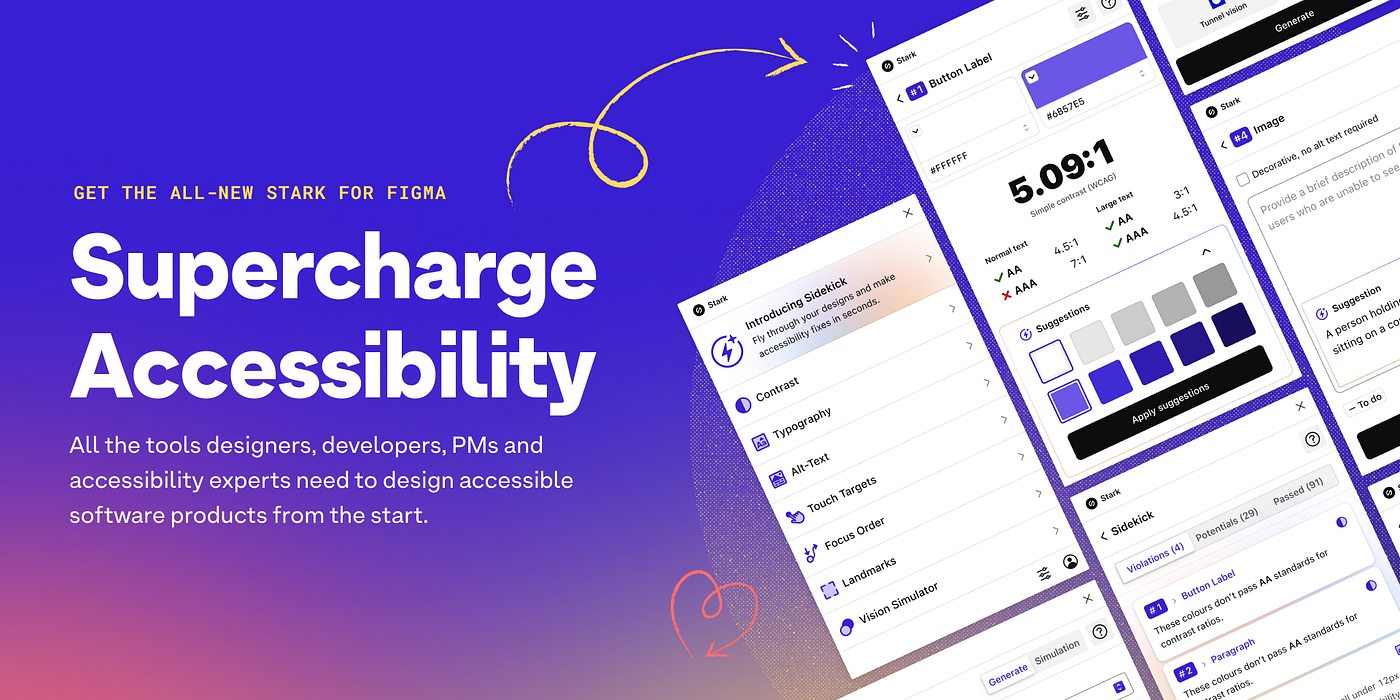
  • Why it works: It covers WCAG 2.1 and 2.2 in a single plugin. The vision simulation alone (see your design through the eyes of someone with deuteranopia, protanopia, or low vision) changes how you think about color choices. Integrates with Jira and Linear for issue tracking.
  • Skip if: You only need quick contrast checks. Stark is powerful but has a learning curve and a paid tier for full features.

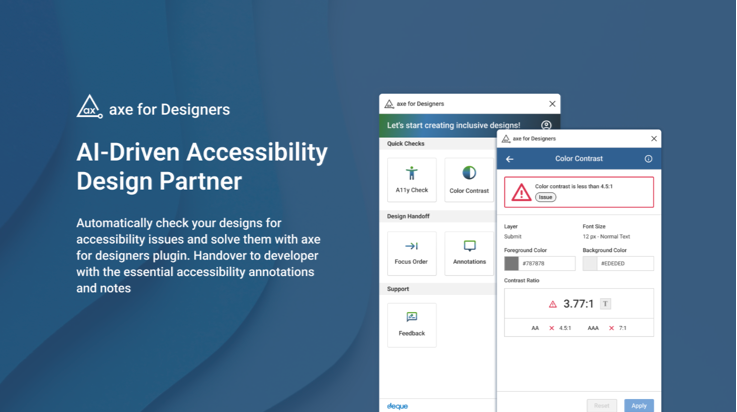
axe for Designers

Free AI-powered accessibility checker built by Deque, the same team behind the axe testing engine used by developers worldwide.

Free AI-powered accessibility checker built by Deque, the same team behind the axe testing engine used by developers worldwide.

  • Best for: Designers who want solid accessibility checking without a subscription
  • Why it works: It catches color contrast failures, missing labels, touch target issues, and text scaling problems. The AI suggestions are specific: not just “this fails” but “here’s what to change.” And it’s free. That matters for freelancers and small teams.
  • Skip if: You need the full depth of Stark’s vision simulations and WCAG 2.2 coverage. axe is excellent for fundamentals, not exhaustive audits.

Contrast

A minimal, fast contrast ratio checker. Select two colors, get a pass/fail against WCAG AA and AAA.

A minimal, fast contrast ratio checker. Select two colors, get a pass/fail against WCAG AA and AAA.

  • Best for: Quick spot-checks during active design work
  • Why it works: No setup. No dashboard. Select foreground and background, see the ratio. It does one thing and does it instantly. When you’re iterating on color and need to verify contrast every few minutes, speed matters more than features.
  • Skip if: You need anything beyond contrast ratios. For broader checks, use Stark or axe.

Accessibility plugins catch issues, but they don’t replace accessible design thinking. For a practical UI accessibility checklist covering typography, interaction, motion, and navigation, see our guide to accessible interface design.


Content and Data

Placeholder content is one of those small problems that eats real time. These plugins fill your designs with realistic data so you’re not designing around “Lorem ipsum” and gray boxes.

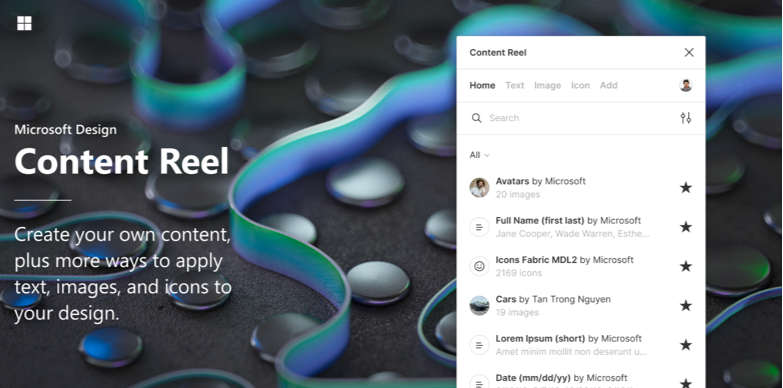
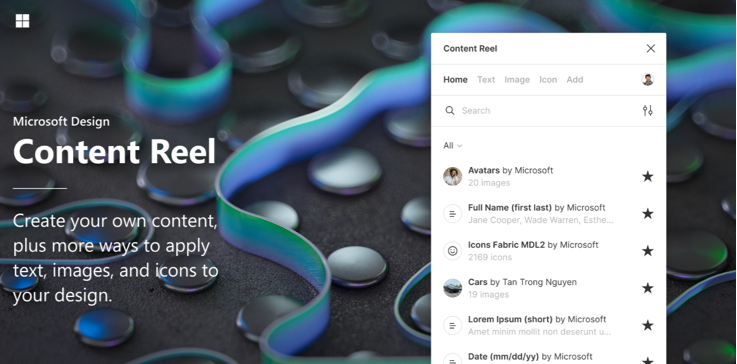
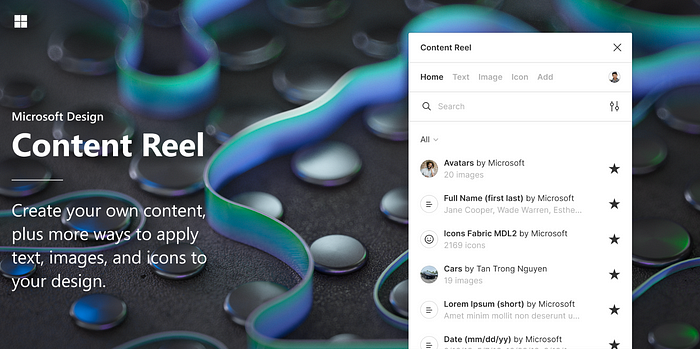
Content Reel

Populates designs with realistic names, addresses, avatars, dates, and custom text strings.

Populates designs with realistic names, addresses, avatars, dates, and custom text strings.

  • Best for: Filling complex UIs (tables, user lists, profiles) with varied, realistic content
  • Why it works: It randomizes data intelligently. You get different names, different lengths, different avatar photos. Your design gets stress-tested with real variation instead of looking perfect with identical placeholder text. Custom strings let you add your own content sets.
  • Skip if: You only need photos. Use Unsplash for that.

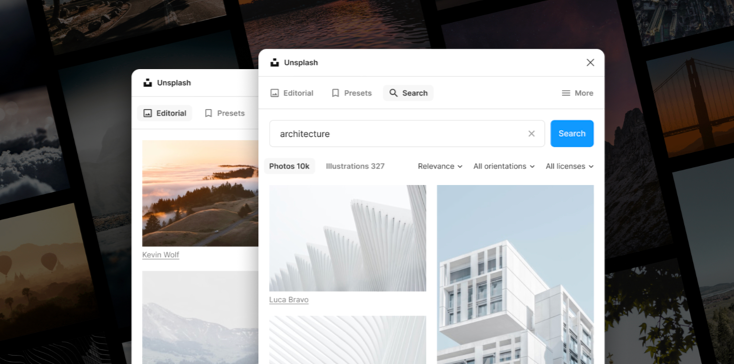
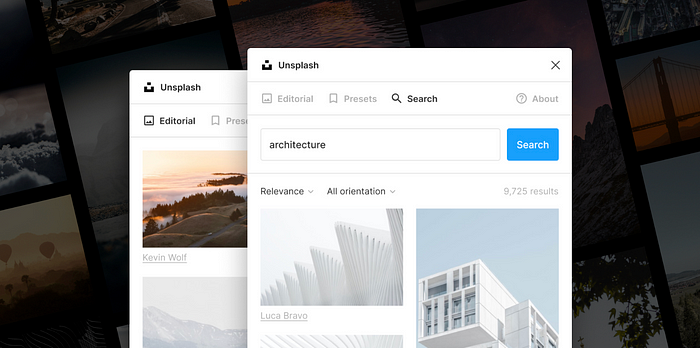
Unsplash

Inserts free, high-quality stock photos directly into your Figma frames.

Inserts free, high-quality stock photos directly into your Figma frames.

  • Best for: Quick image fills for mockups and presentations
  • Why it works: Search, click, done. The image lands in your selected frame at the right size. No downloading, no resizing, no attribution headaches (Unsplash license covers commercial use). It’s been around for years because it just works.
  • Skip if: You need editorial or brand-specific photography. Stock photos have a look. You know it when you see it.

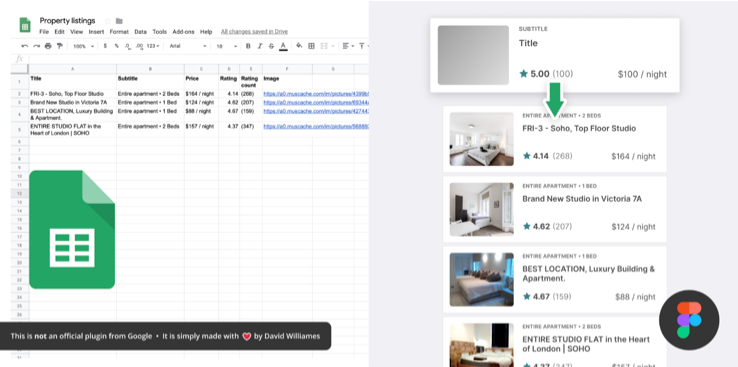
Google Sheets Sync

Pulls live data from Google Sheets into Figma text layers and images.

Pulls live data from Google Sheets into Figma text layers and images.

  • Best for: Data-driven designs, dashboard mockups, and CMS-style content management
  • Why it works: Connect a spreadsheet, map columns to layers, sync. Your design updates when the data changes. For dashboard designs with 50 data points, this saves hours of manual entry. For client presentations, it means real numbers instead of made-up ones.
  • Skip if: You need real-time API data. This syncs on demand from Sheets, not from live endpoints.

Icons and Assets

Icon management sounds trivial until you’re searching through five different icon sets trying to find a consistent “settings” icon at 2 AM. These two plugins solve that.

Iconify

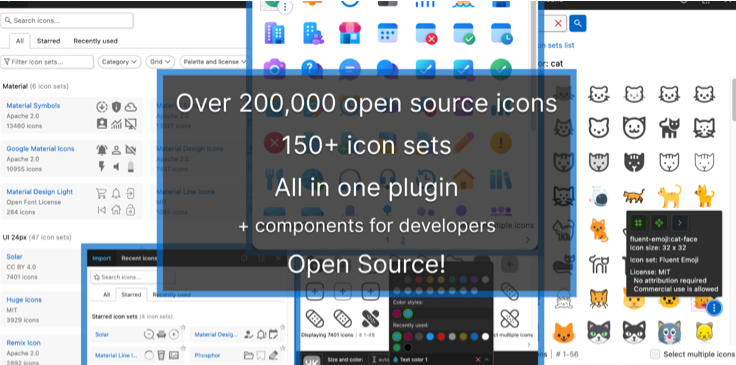
Access to over 275,000 icons from 150+ open-source icon sets, searchable inside Figma.

Access to over 275,000 icons from 150+ open-source icon sets, searchable inside Figma.

  • Best for: Designers who work across projects with different icon style requirements
  • Why it works: One search bar, every major icon set. Material Design, Heroicons, Lucide, Tabler, Bootstrap, Phosphor, and dozens more. You search “calendar,” you see every version across every set. Pick the style that fits, drop it in. No more downloading ZIP files and importing manually.
  • Skip if: You’ve already committed to a single icon set. In that case, use that set’s own plugin.

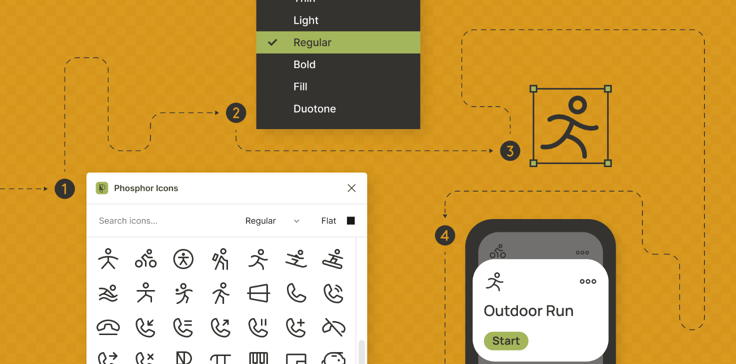
Phosphor Icons

A focused library of 1,500+ icons in six weights (thin, light, regular, bold, fill, duotone).

A focused library of 1,500+ icons in six weights (thin, light, regular, bold, fill, duotone).

  • Best for: Product teams that want a single, consistent icon system with weight variation
  • Why it works: Six weights for every icon means you can match your typography weight. Thin icons for body text contexts, bold for navigation, fill for active states. That level of weight consistency across 1,500+ icons is rare. The duotone style is genuinely distinctive.
  • Skip if: You need a massive icon library. 1,500 covers most product needs, but niche categories may have gaps.

Productivity and File Health

Figma files get messy. Layers named “Frame 847,” hidden elements nobody remembers, unused styles. These two plugins keep your files workable.

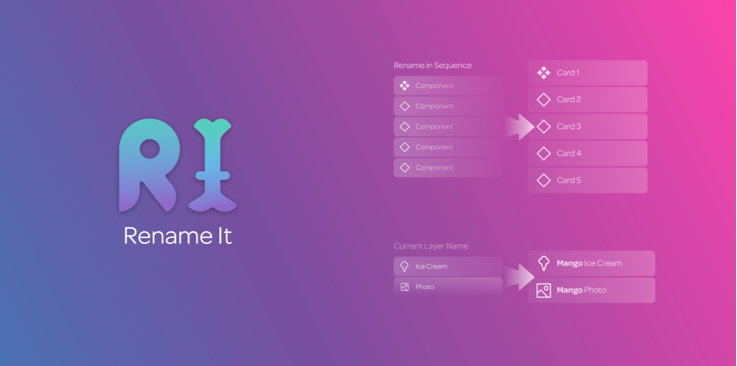
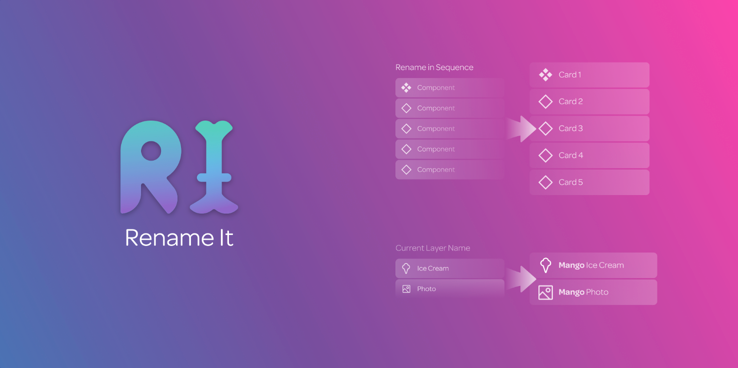
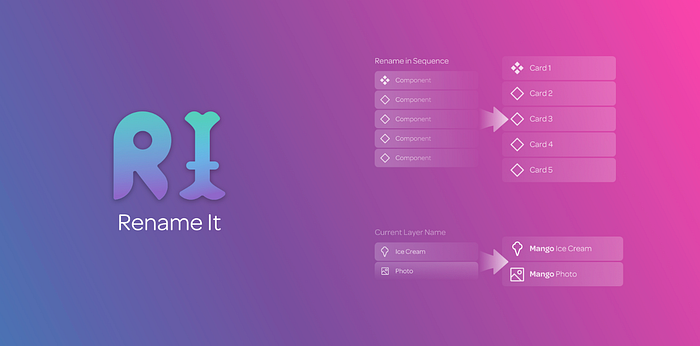
Rename It

Batch rename layers with sequential numbering, find-and-replace, and keyword patterns.

Batch rename layers with sequential numbering, find-and-replace, and keyword patterns.

  • Best for: Cleaning up files before handoff or when layer naming has gotten out of control
  • Why it works: Select 200 layers, apply a naming pattern with auto-incrementing numbers, done. Regex support for power users. It turns a 30-minute manual renaming session into a 30-second operation.
  • Skip if: You name your layers properly as you go. (Be honest with yourself here.)

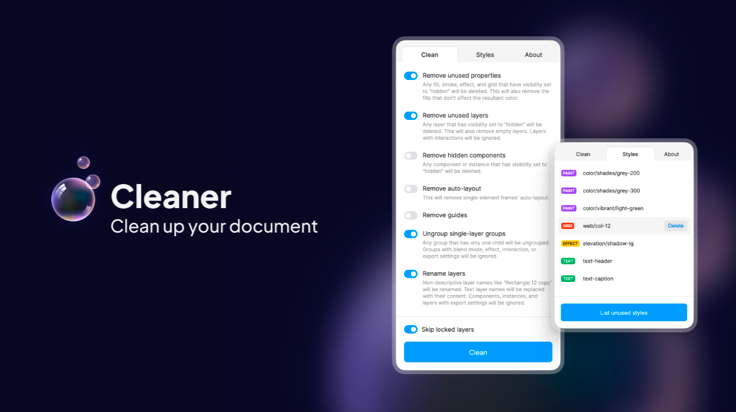
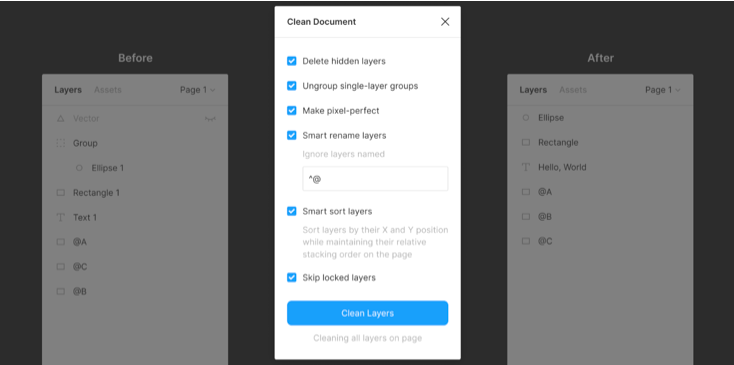
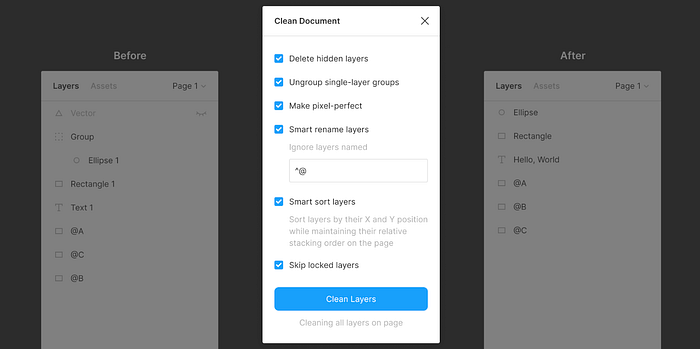
Cleaner

Scans and removes hidden layers, empty groups, and unused elements to reduce file size and complexity.

Scans and removes hidden layers, empty groups, and unused elements to reduce file size and complexity.

  • Best for: Large files that have accumulated cruft over months of iteration
  • Why it works: Figma files slow down when they’re bloated with invisible junk. Cleaner finds it, shows you what it found, and lets you remove it in bulk. The preview step matters. You see exactly what will be deleted before anything happens.
  • Skip if: Your files are small and well-maintained. On big team files with 50+ pages, though, this is essential.

How to Build Your Plugin Stack

Not every plugin on this list belongs in your workflow. Here’s how to think about it.

If you’re a solo product designer: Start with Stark (or axe if budget is tight), Content Reel, Iconify, and Rename It. That covers accessibility, content, assets, and file hygiene. Add an AI plugin when you’re comfortable with the basics.

If you run a design system: Tokens Studio is non-negotiable. Add W3C Export if your team is adopting the spec. Cleaner keeps your shared libraries from bloating.

If you’re a freelancer building websites: Relume for wireframing, Unsplash for imagery, Google Sheets Sync for client content. Speed is your advantage.

If you lead a design team: Stark for accessibility compliance, Tokens Studio for system consistency, Cleaner for file health. These three compound across every designer on your team.

One principle applies everywhere: install plugins one at a time. Use each one for a week before adding the next. A stack you understand beats a stack you installed.


Key Patterns

Looking across the plugins that made this list, a few trends stand out:

  • AI plugins are maturing fast. Two years ago, AI Figma plugins generated novelty screenshots. Now UX Pilot, Relume, and Uizard produce genuinely useful starting points. The gap between “AI output” and “shippable design” is shrinking.
  • Tokens are becoming infrastructure. The W3C spec, multi-platform sync, and Git-based workflows mean design tokens are no longer optional for serious teams. They’re the bridge between design and engineering.
  • Accessibility moved from audit to workflow. Stark, axe, and Contrast exist because accessibility checks should happen during design, not after development. The plugins that embed into your process win over the ones that require a separate review step.
  • File health is a scaling problem. Solo designers rarely need Cleaner or Rename It. Teams of five or more can’t survive without them. Plugin value scales with team size and file complexity.
  • The best plugins do one thing. Contrast checks contrast. Rename It renames layers. Unsplash inserts photos. The plugins that try to do everything tend to do nothing well. Specificity wins.

Discover more design tools and resources on Muzli. Curated daily for designers who build.

Best Free Icon Libraries for UI Design in 2026

The best free icon libraries for UI design in 2026: tested across Figma, React, and production apps. Curated for consistency, not just quantity.

There are over 200 free icon libraries on the internet right now. Most of them have one thing in common: they look fine in a preview grid and fall apart at 16px in a real interface.

We tested these libraries against three criteria: visual consistency at small sizes, Figma and code integration, and license clarity. If an icon set looked great on its landing page but broke down in an actual sidebar navigation, it didn’t make the list.

Minimal Line Icons

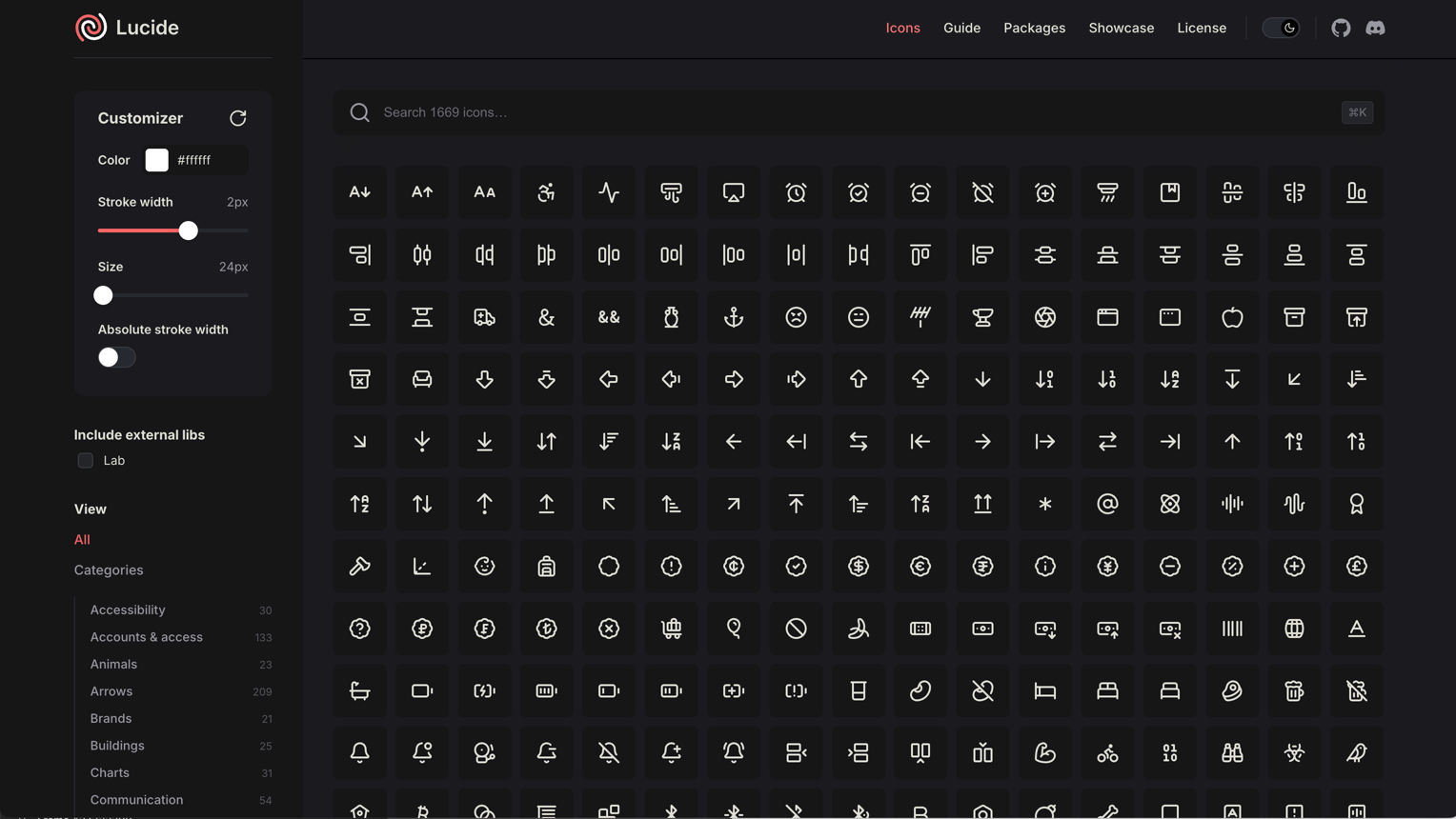
Lucide:

The maintained fork of Feather Icons, now with 1,500+ icons. Best for clean, modern interfaces.

  • Consistent 24px grid with 2px stroke
  • First-class React, Vue, and Svelte packages
  • Figma library maintained by the community
  • License: ISC (permissive, commercial use OK)
  • Why it works: picks up where Feather left off, with active maintenance and better coverage
The maintained fork of Feather Icons, now with 1,500+ icons. Best for clean, modern interfaces.

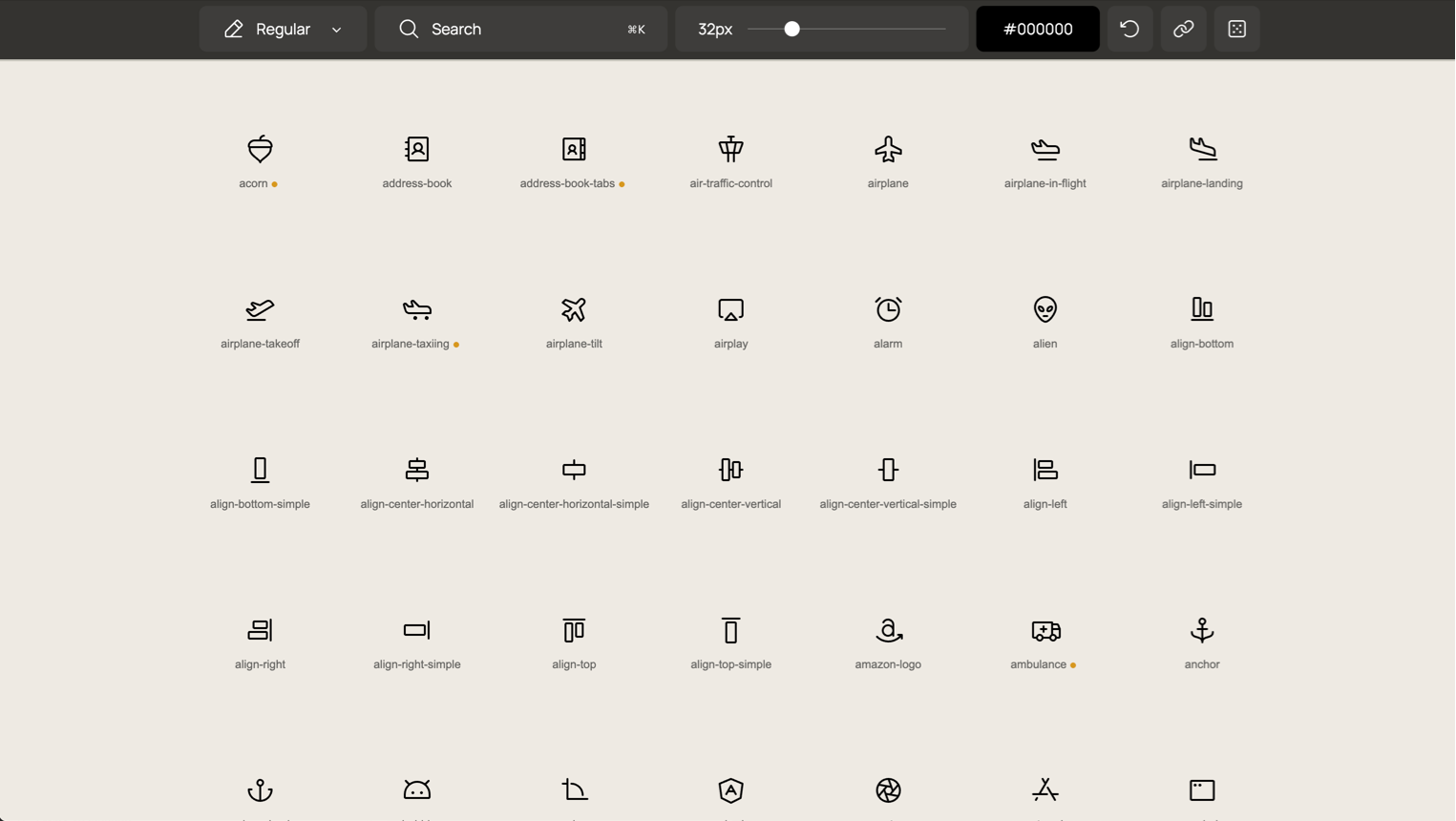
Phosphor Icons:

9,000+ icons across 6 weights. Best for design systems that need flexibility.

  • Available in Thin, Light, Regular, Bold, Fill, and Duotone
  • Figma plugin with search and weight switching
  • React, Vue, Flutter, and web component packages
  • License: MIT
  • Why it works: the weight system means one library covers everything from subtle UI to bold marketing
9,000+ icons across 6 weights. Best for design systems that need flexibility.

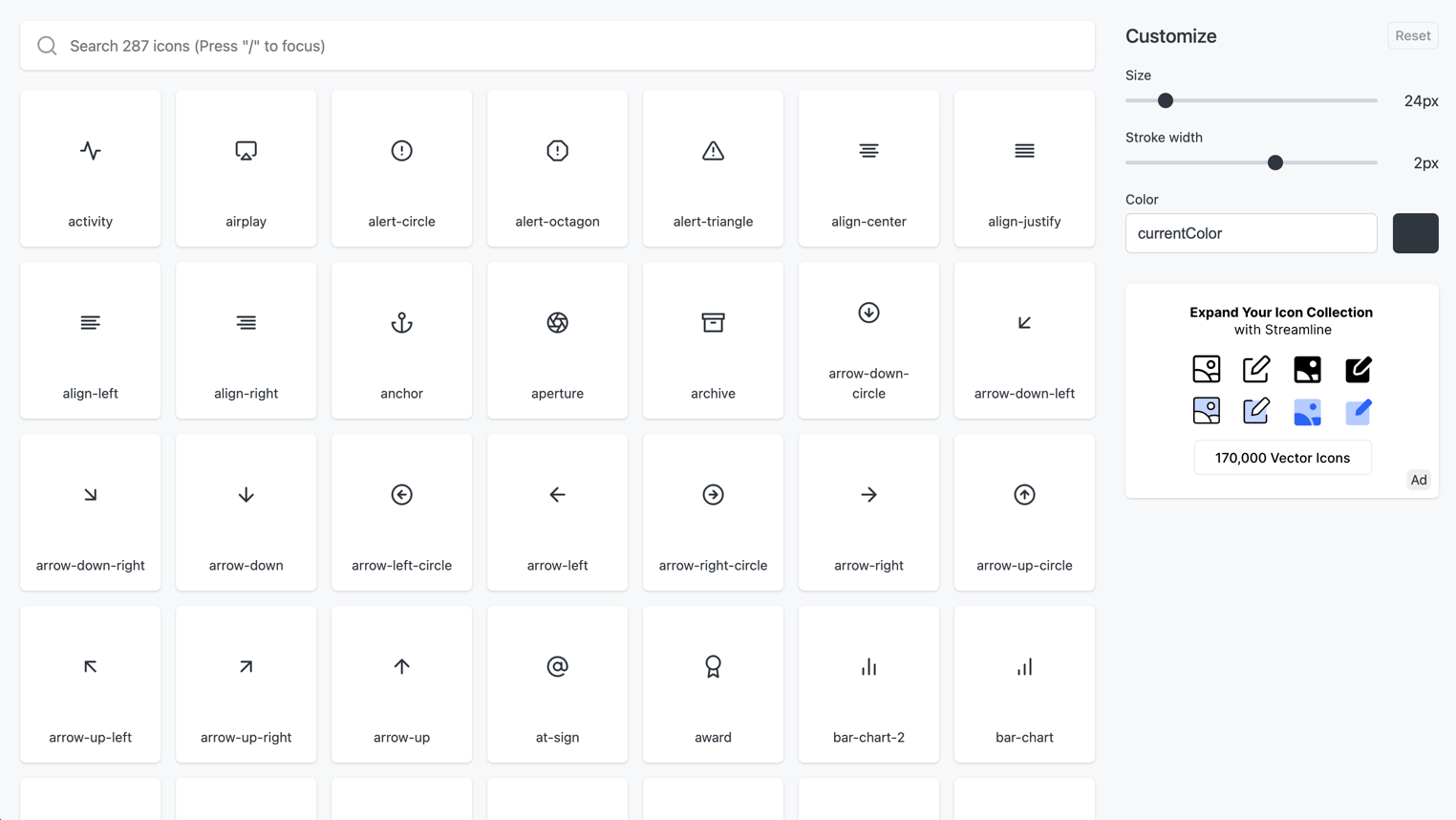
Feather Icons:

The original minimal icon set. 287 icons. Best for small projects that need a clean, tight set.

  • Beautiful 24px grid, 2px stroke, round caps
  • Still works perfectly for simple interfaces
  • No longer actively maintained: use Lucide for new projects
  • License: MIT
  • Why it works: the original is still gorgeous. Just know it’s frozen.
The original minimal icon set. 287 icons. Best for small projects that need a clean, tight set.

Remix Icon:

2,800+ icons in line and fill styles. Best for apps that need both outline and solid variants.

  • Neutral, clean aesthetic that doesn’t fight your brand
  • SVG, web font, and Figma library
  • License: Apache 2.0
  • Why it works: the line/fill pairing is consistently well-executed
2,800+ icons in line and fill styles. Best for apps that need both outline and solid variants.

Solid and Filled Icons

Heroicons:

By the Tailwind CSS team. 300+ icons in outline, solid, and mini sizes. Best for Tailwind-based projects.

  • Designed specifically for UI, not illustration
  • 24px outline, 24px solid, 20px mini: three sizes for three contexts
  • Copy-paste SVG, React, and Vue components
  • License: MIT
  • Why it works: if you’re in the Tailwind ecosystem, these feel native
By the Tailwind CSS team. 300+ icons in outline, solid, and mini sizes. Best for Tailwind-based projects.

Hugeicons:

4,000+ icons with consistent stroke and fill variants. Best for large-scale product design.

  • Massive library with good categorization
  • Figma plugin with search
  • Multiple styles: stroke, solid, duotone, bulk
  • License: free tier with attribution, Pro for commercial without
  • Why it works: when you need an icon for everything, including niche categories
4,000+ icons with consistent stroke and fill variants. Best for large-scale product design.

Boxicons:

1,600+ icons in regular and solid styles. Best for general-purpose web and app design.

  • Clean, geometric aesthetic
  • Web font, SVG, and React library
  • Logo icons included (brands, social media)
  • License: MIT
  • Why it works: solid all-rounder with good brand icon coverage
1,600+ icons in regular and solid styles. Best for general-purpose web and app design.

Figma-Native Libraries

Untitled UI Icons:

4,100+ icons built as a Figma component library. Best for designers who live in Figma.

  • Every icon is a properly built Figma component with variants
  • Line and solid styles with consistent 24px grid
  • Part of the larger Untitled UI system
  • License: free tier available
  • Why it works: the Figma integration is first-class: swap icons with variant properties, not copy-paste
4,100+ icons built as a Figma component library. Best for designers who live in Figma.

Iconoir:

1,500+ free icons with a Figma library, React, React Native, and Flutter packages. Best for cross-platform design teams.

  • Consistent 1.5px stroke width across the entire set
  • Dedicated Figma plugin with search
  • Strong mobile and web coverage
  • License: MIT
  • Why it works: the cross-platform package coverage is unusually complete for a free library
1,500+ free icons with a Figma library, React, React Native, and Flutter packages. Best for cross-platform design teams.

Animated and Motion Icons

Lordicon:

2,000+ animated icons with configurable triggers and colors. Best for micro-interactions and onboarding flows.

  • Lottie-based animations you can customize without After Effects
  • Trigger options: hover, click, loop, morph
  • Figma plugin for preview, plus web component and React packages
  • License: free tier (100 icons), Pro for full access
  • Why it works: adding motion to icons without opening After Effects is a real workflow win
2,000+ animated icons with configurable triggers and colors. Best for micro-interactions and onboarding flows.

Animated Icons:

Animated SVG icons with simple embed codes. Best for quick motion accents on landing pages.

  • Small set but high-quality animations
  • Simple embed: no build system needed
  • License: free for personal, check commercial terms
  • Why it works: when you need one animated icon, not an entire motion system
Animated SVG icons with simple embed codes. Best for quick motion accents on landing pages.

Specialty Sets

Tabler Icons:

5,300+ icons designed for web applications. Best for dashboards and admin interfaces.

  • 24px grid, 2px stroke, consistent across the massive set
  • Strong coverage of data, chart, and admin-specific icons
  • React, Vue, Svelte, Preact packages
  • License: MIT
  • Why it works: the admin/dashboard category coverage is deeper than most general libraries
5,300+ icons designed for web applications. Best for dashboards and admin interfaces.

Radix Icons:

318 icons from the Radix UI team. Best for minimalist, system-level UI.

  • Tiny, crisp 15px icons designed for dense interfaces
  • Works perfectly alongside Radix primitives
  • React component library
  • License: MIT
  • Why it works: when your UI is compact and every pixel matters
318 icons from the Radix UI team. Best for minimalist, system-level UI.

css.gg:

700+ pure CSS icons. Best for performance-obsessed projects with no SVG budget.

  • Zero SVG, zero images: pure CSS shapes
  • Tiny file size
  • Skip if: you need complex icons. CSS geometry has limits.
  • License: MIT
  • Why it works: the “no asset files” approach is interesting for specific performance constraints
700+ pure CSS icons. Best for performance-obsessed projects with no SVG budget.

Iconmonstr:

4,500+ icons in a simple search-and-download interface. Best for quick grabs when you need one icon fast.

  • No account needed, direct SVG/PNG download
  • Clean, versatile aesthetic
  • License: free for commercial use with no attribution
  • Why it works: sometimes you just need one icon in 30 seconds
4,500+ icons in a simple search-and-download interface. Best for quick grabs when you need one icon fast.

How to Choose the Right Icon Library

The decision isn’t about which library is “best.” It’s about which one fits your project:

Building a design system? Start with Phosphor or Lucide. You need weight variants and long-term maintenance.

Tailwind project? Heroicons. They were designed together.

Need everything? Tabler (5,300+) or Hugeicons (4,000+). Depth matters more than aesthetic perfection.

Figma-first workflow? Untitled UI Icons. The component structure is built for Figma, not ported to it.

Performance-critical? css.gg for the extreme case, Lucide for the practical one.

One principle applies to all: pick one library per project and stick with it. Mixing icon sets is the fastest way to make an interface look incoherent.

Key Patterns

After reviewing dozens of libraries, a few trends are clear:

  • Figma-native is expected now. A Figma library isn’t a bonus: it’s a baseline requirement. Libraries without one are losing ground fast.
  • Weight variants are the new standard. Single-weight icon sets feel limiting. Phosphor set the standard with 6 weights, and newer libraries are following.
  • Animated icons are crossing from novelty to utility. Lordicon’s trigger-based approach shows that icon animation can be systematic, not decorative.
  • Size is less important than consistency. A library of 300 perfectly consistent icons beats 5,000 icons with mixed visual language every time.
  • MIT license is winning. Designers want clarity. MIT = use it, ship it, don’t worry about it.

Find more curated design resources on Muzli: icons, kits, and tools, all in one place.


💡 Stay inspired every day with Muzli!

Follow us for a daily stream of design, creativity, and innovation.
Linkedin | Instagram | Twitter

Weekly Designers Update #543

Your weekly dose of design inspiration, featuring the hottest projects, must-have tools, and game-changing products.

Want a daily boost of creative energy? Install the Muzli extension, your nonstop source for design inspiration, right in your browser!

đŸ”„ Must-See Design Picks

SuperSkills

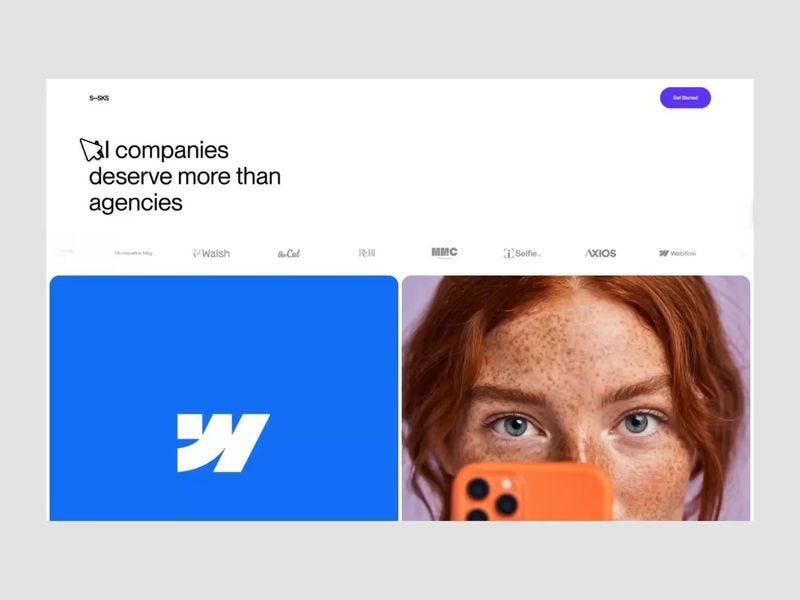
JP Silva took on the hardest design brief there is: redesigning your own portfolio. SuperSkills is a refined agency showcase that proves attention to detail truly pays off — an investment that yielded nearly 10,000 clicks from Muzli and counting.

🔗 Explore this

SuperSkills

.

Unseen Studio — 2025 Year in Review

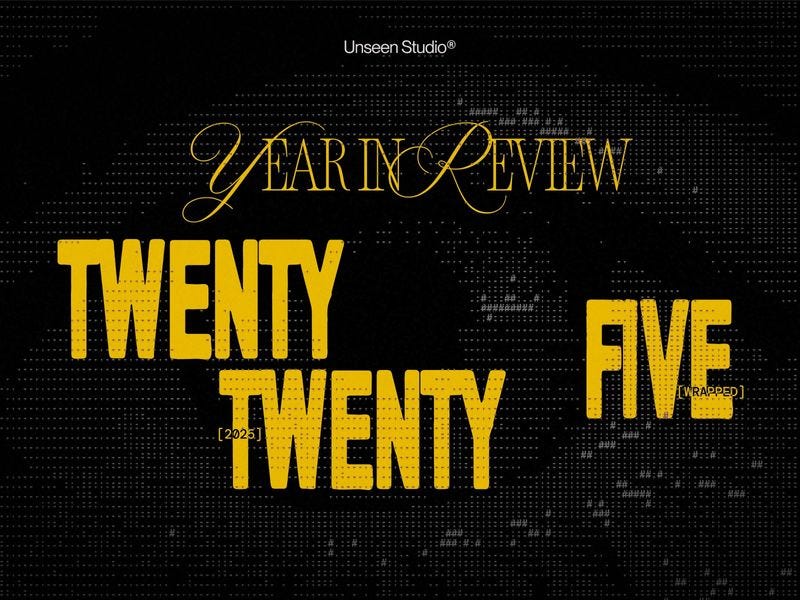
Unseen Studio’s 2025 recap is anything but a typical year-in-review. The site walks through months of work for clients like Netflix, L’Oreal, and Klook with interactive hover effects, embedded motion demos, and scrollable galleries that blur the line between portfolio and experience.

🔗 Explore this

Unseen Studio — 2025 Year in Review

.

Google Cloud x Team USA

Google built an AI platform that turns standard video of winter athletes into detailed 3D performance data. The site visualizes spinning trajectories, skeletal tracking, and rotational velocity through custom graphics that make invisible physics visible. Interactive, technical, and beautifully executed.

🔗 Explore this

Google Cloud x Team USA

.

AW25 Earth — PSN/OWN

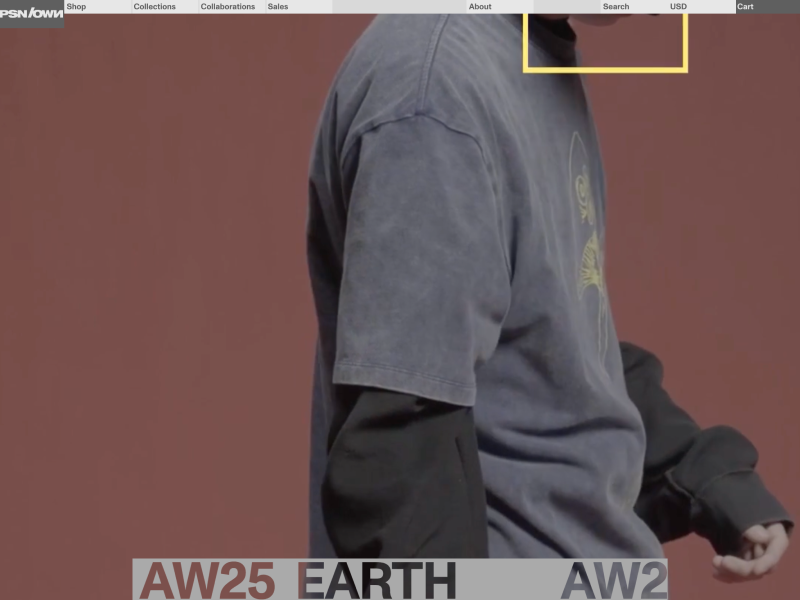
PSN/OWN’s autumn/winter collection site channels 90s rave culture into a high-energy e-commerce experience. The site blends a gritty, editorial aesthetic with modern functionality, creating a digital space that feels more like a fashion lookbook than a standard shop. It’s a bold, immersive tribute to underground culture that keeps the momentum going from top to bottom.

🔗 Explore this

AW25 Earth — PSN/OWN


🏆 Muzli Community Uploads

Want to get featured? Upload your work to Muzli.me

Zapatero TV — Portfolio Showcase

by Julio Aragoza

A bold, high-impact digital experience that pushes the boundaries of cinematic storytelling on the web. Zapatero TV is more than just a portfolio; it’s an immersive environment that captures the energy of motion design and video production, proving that a strong visual identity can turn a personal brand into a full-scale experience. 

🔗 Explore this

Zapatero TV — Portfolio Showcase

.

ATEEZ — Concept Album Experience

by Artemii Lebedev

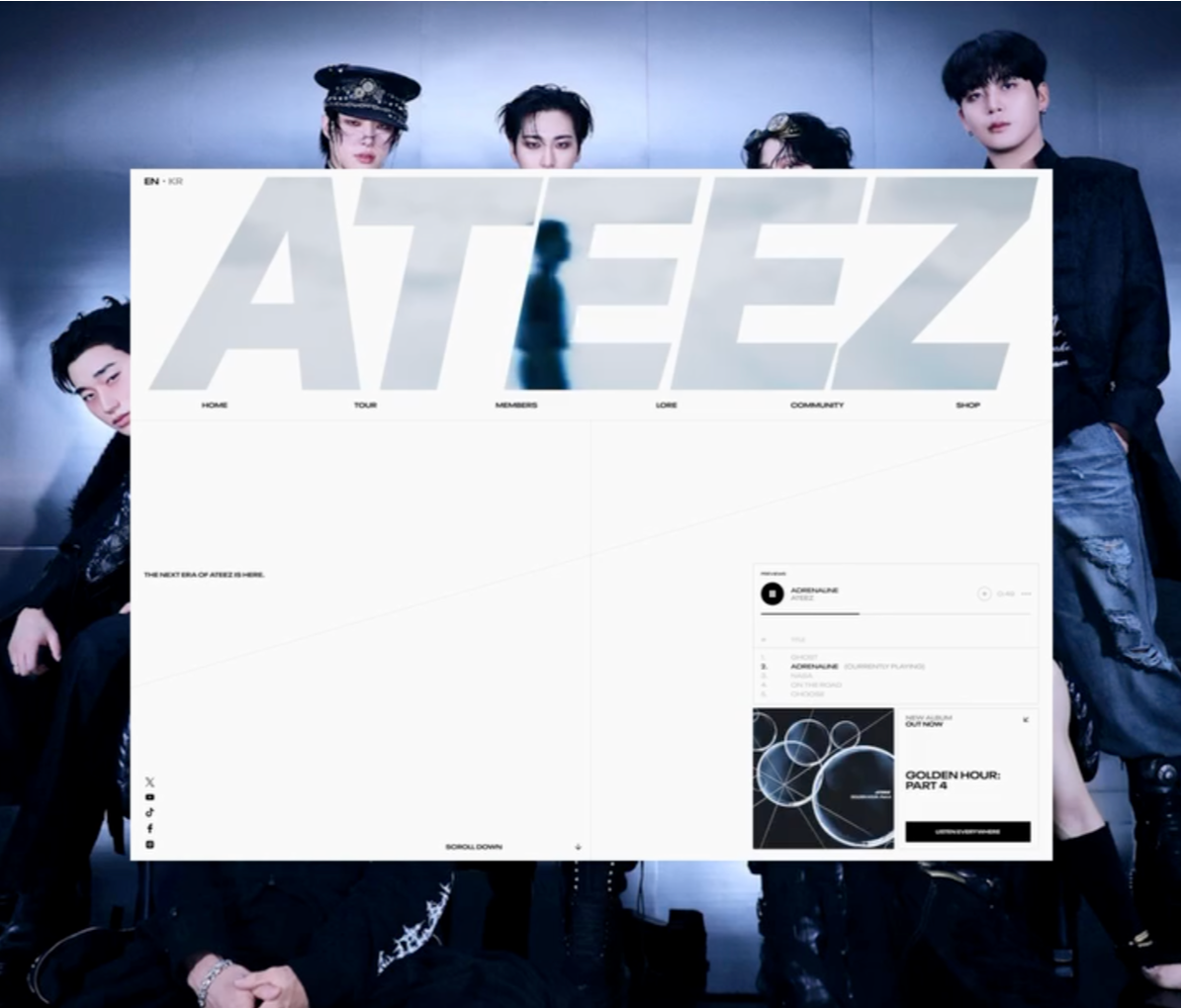
This project explores the visual identity of the band ATEEZ through a dedicated digital space. It’s a powerful example of how a website can extend an album’s reach, pulling the audience deeper into the artist’s universe. By focusing on high-energy compositions and a dynamic layout, the design creates a bold, immersive environment that perfectly complements the music.

🔗 Explore this

ATEEZ — Concept Album Experience

.

Effortless Living — Robot Companion App

by Wang

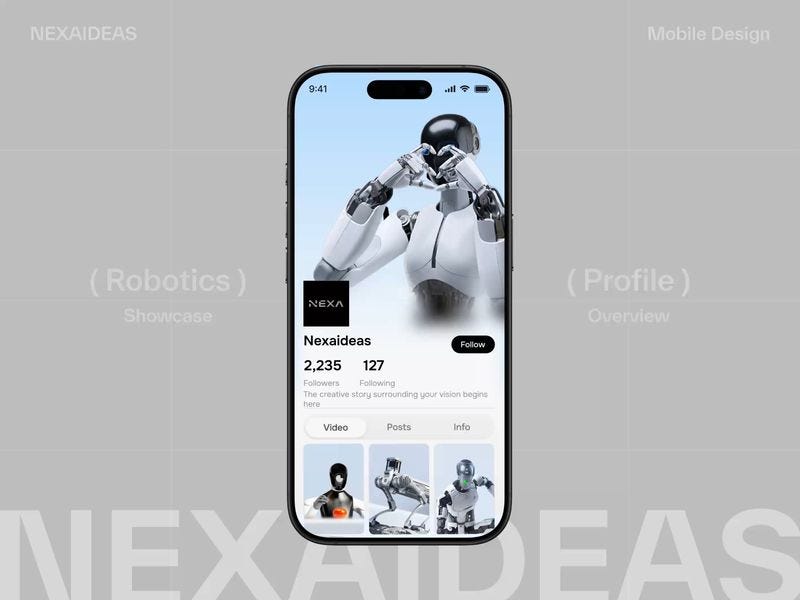
An intuitive look into the future of human-tech interaction. This companion app design balances advanced functionality with a user-friendly interface, turning complex robotics management into an effortless daily routine. 

🔗 Explore this

Effortless Living — Robot Companion App

.

Meebits — Interactive Web Experience

by Cameron Duncalfe

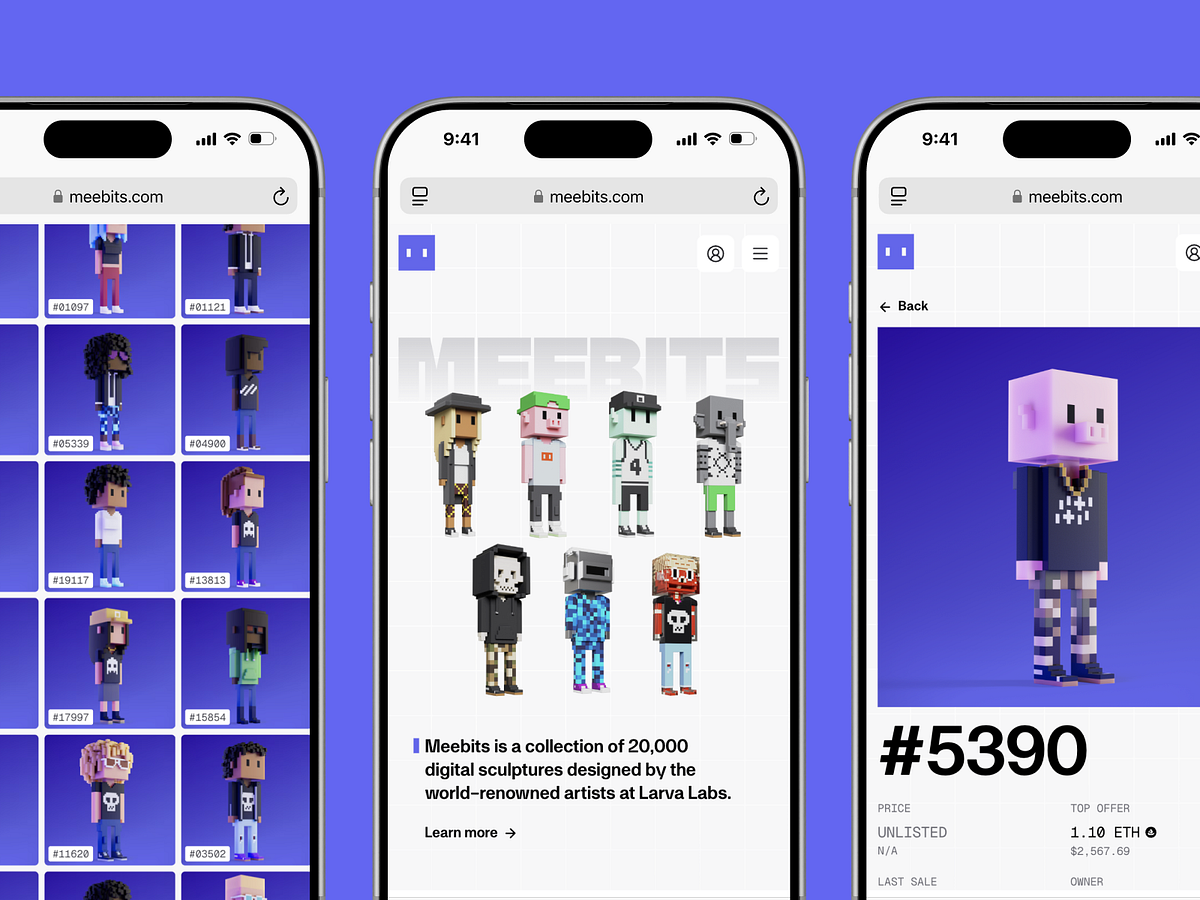
A vibrant and dynamic digital hub that brings a 3D universe to life. The Meebits site excels at creating a sense of community and play through an interactive environment where character and identity take center stage. It’s a prime example of how web design can evolve into a living, breathing digital world.

🔗 Explore this

Meebits — Interactive Web Experience


💡 Tools/Assets/Learn

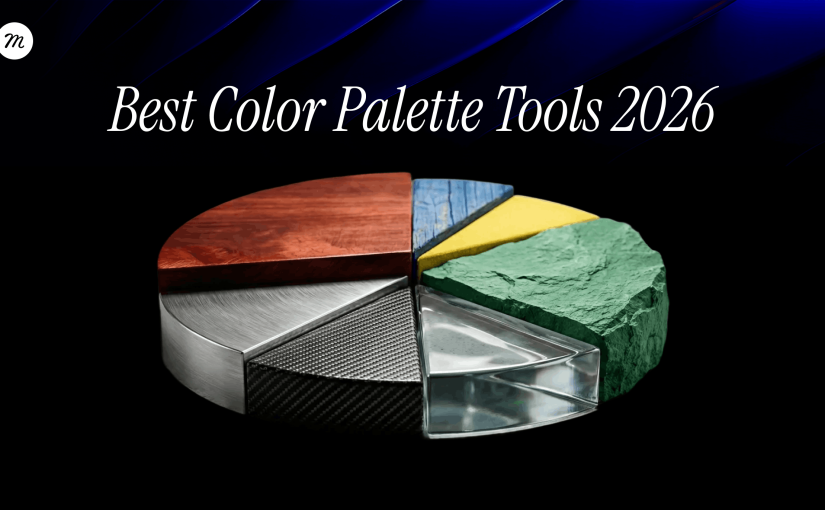
Best Color Palette Tools and Generators for Designers (2026)

A roundup of the best color tools available right now, from AI-powered generators to accessibility checkers. Whether you’re building a design system or just need a quick palette for a side project, this list covers the full range.

🔗 Explore this

Best Color Palette Tools and Generators for Designers (2026)

.

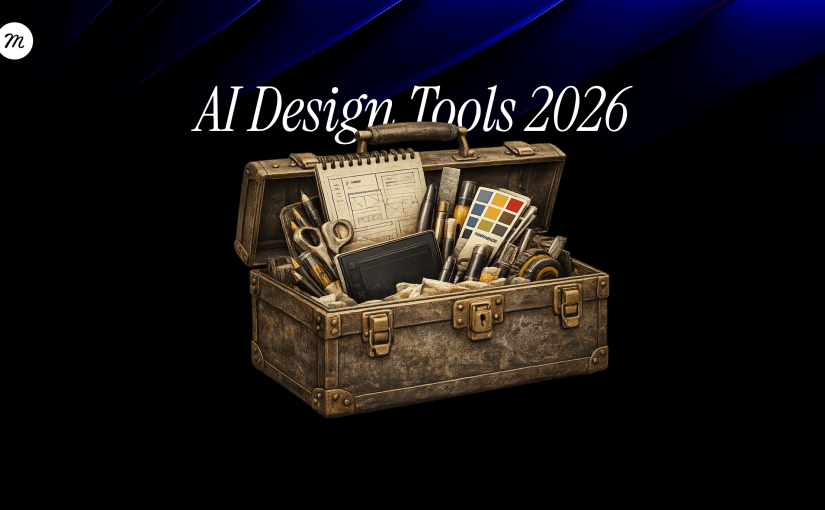
Best AI Design Tools for UI/UX Designers in 2026

A curated list of AI tools that actually hold up in production UI/UX work. No hype, just tools that are shipping real value for designers right now.

🔗 Explore this

Best AI Design Tools for UI/UX Designers in 2026

.

NexLabs — Framer Template

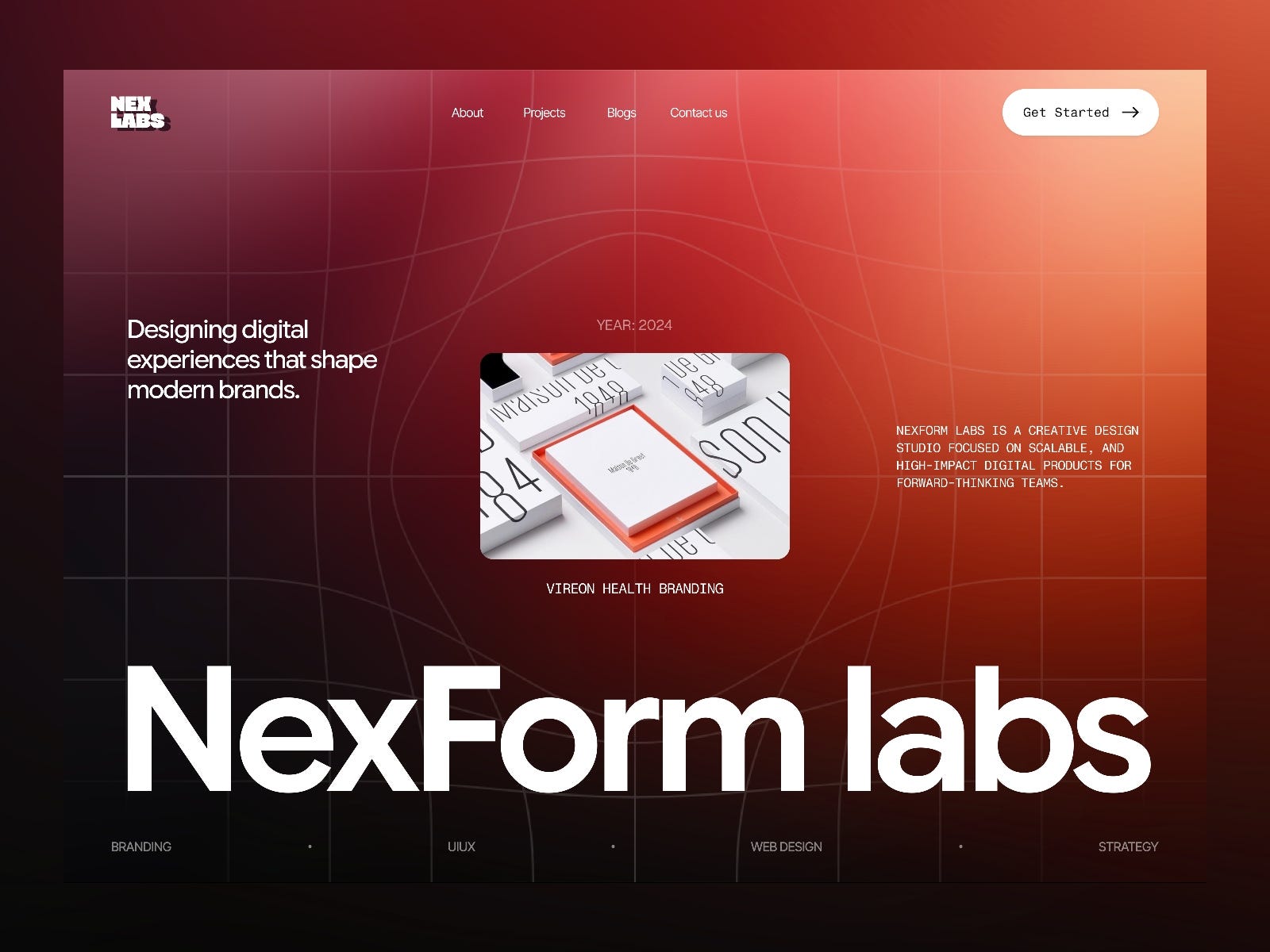
A SaaS-ready Framer template by Framerdot with dark mode, smooth animations, and a modular layout that fits AI products, dev tools, and tech startups. One of the most clicked templates on the Muzli feed this week.

🔗 Explore this

NexLabs — Framer Template

.

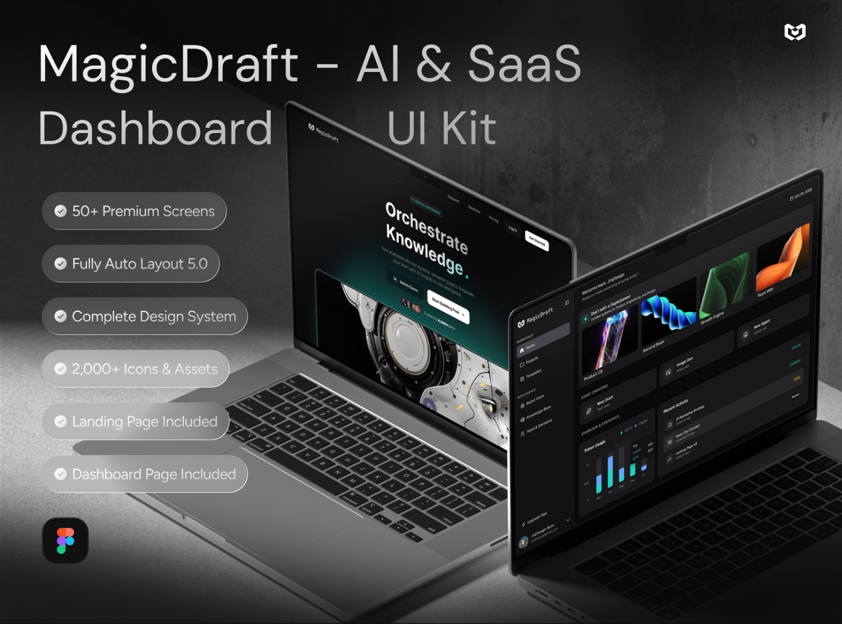
MagicDraft — AI & SaaS Dashboard

A cutting-edge UI kit designed for the next generation of AI-powered platforms. MagicDraft offers a sophisticated dark-mode environment that seamlessly integrates complex data visualization with intuitive SaaS workflows. It’s a comprehensive resource for building modern, scalable dashboards where high-level functionality meets a sleek, future-ready aesthetic.

🔗 Explore this

MagicDraft — AI & SaaS Dashboard

.

Colors & Fonts MCP — Generate Color Palettes in Your IDE

A free MCP tool that generates color palettes inside your code editor using plain language. Ask for a “warm sunset palette” or a “corporate blue scheme” and get export-ready values in Tailwind, SCSS, JSON, or Swift. Works with Cursor, VS Code, and Claude Desktop.

🔗 Explore this

Colors & Fonts MCP — Generate Color Palettes in Your IDE


💡 Stay inspired every day with Muzli!

Follow us for a daily stream of design, creativity, and innovation.
Linkedin | Instagram | Twitter

Best Color Palette Tools and Generators for Designers (2026)

The best color palette tools and generators for designers in 2026: from AI-powered generation to accessibility checking. Tested, compared, and curated.

Color is the first thing a user feels and the last thing most designers systematize. You can spend hours tweaking hex values by instinct, or you can use the right tool and get to a working palette in minutes.

We tested these tools against four criteria: speed to a usable palette, accessibility support built in (not bolted on), integration with Figma and code workflows, and whether the tool does something a random color picker doesn’t. The ones that survived are here.

AI-Powered Palette Generators

Coolors:

The Swiss Army knife of color tools. Best for everything from quick palette generation to deep exploration.

– Generate palettes by tapping spacebar, lock colors you like, keep exploring

– AI mode suggests harmonious extensions of your starting color

– Export to Figma, Adobe, CSS, Tailwind, and more

– Image-based palette extraction (upload a photo, get the colors)

– Free tier is generous. Pro adds collaboration and unlimited palettes.

– Why it works: it does ten things well. Most tools do one.


Khroma:

AI that learns your color preferences. Best for designers who know what they like but can’t articulate why.

– Train it by choosing 50 colors you’re drawn to

– Generates infinite palettes, gradients, and type pairings based on your taste profile

– The “personal color AI” angle actually works: results improve with use

– Skip if: you need precise brand work. It’s exploratory, not systematic.


Muzli AI Colors:

AI-driven color palette tool from the Muzli ecosystem. Best for designers who want quick, production-ready palettes with export to design tools.

– Generate palettes from keywords, moods, or reference colors

– Instant export to Figma, CSS, and Tailwind

– Connected to the Muzli design resource ecosystem

– Accessible from [Muzli Colors](https://colors.muz.li)

– Why it works: the speed from idea to usable palette is genuinely fast, and the Figma export is clean


Huemint:

AI color palette generator for brands, websites, and graphics. Best for applying palettes to real mockup contexts.

– Generates palettes AND shows them applied to website templates

– Adjust “creativity” slider from safe to wild

– See how your palette looks on an actual layout, not just swatches

– Why it works: seeing color in context is fundamentally better than seeing it in a strip


Colormind:

AI palette generator trained on real-world color schemes from photos, movies, and art. Best for cinematic or editorial color work.

– Results feel less “algorithmic” and more “curated from real sources”

– Simpler interface: generates one palette at a time

– Skip if: you need export integrations. It’s a generator, not a workflow tool.


Classic Palette Generators

Adobe Color:

Adobe’s color wheel and palette builder. Best for teams in the Creative Cloud ecosystem.

– Color harmony rules (analogous, complementary, triadic, etc.)

– Extract palettes from images

– Saves directly to Creative Cloud Libraries

– Accessibility contrast checker built in

– Why it works: if you’re in Adobe, the integration is frictionless


Muzli Color Palette Generator

Lightweight palette generator for fast, practical work. Best for designers who want a clean palette without overthinking.

– Create color palettes manually or start from a base color

– Simple controls for tweaking and refining combinations

– Built for speed: no setup, no learning curve

– Export-ready palettes you can actually use in real projects

– Part of the Muzli ecosystem, alongside tools and inspiration designers already use

– Why it works: it removes friction. When you just need a solid palette and want to move on, this gets you there fast.


Paletton:

Old-school color wheel with fine-tuned control. Best for designers who think in color theory first.

– Adjust hue, saturation, and brightness per swatch

– Presets for common harmonies

– Preview on light and dark backgrounds

– Skip if: you want AI magic. This is manual precision.


ColorSpace:

Generates palettes from a single seed color. Best for quick “give me something that works with this blue.”

– Enter one color, get a dozen palettes in different styles

– Gradient generator included

– Simple, fast, no account needed

– Why it works: the “one color in, many palettes out” model matches real workflows


Accessibility and Contrast Tools

Stark:

Accessibility toolkit for design tools. Best for teams that need WCAG compliance built into their workflow.

– Contrast checker, color blindness simulation, typography suggestions

– Figma, Sketch, and Adobe XD plugins

– Full accessibility audits, not just color

– The industry standard for design accessibility tools


WebAIM Contrast Checker:

Simple contrast ratio calculator. Best for quick checks during design work.

– Enter foreground and background colors, get pass/fail for AA and AAA

– No frills, instant answer

– Bookmark-worthy: you’ll use it weekly

– Why it works: it does exactly one thing, instantly


Inclusive Colors:

Generates color systems that pass accessibility requirements. Best for building accessible palettes from scratch.

– Start with brand colors, get accessible variants

– Shows WCAG compliance for every combination

– Skip if: you just need to check one pair. This is for building systems.

Color accessibility is only one part of inclusive design. For a full UI accessibility checklist covering typography, interaction, motion, and navigation, see our practical accessibility guide for designers.


Vispero Colour Contrast Analyser:

Desktop app for checking contrast on anything on your screen. Best for testing live websites and apps.

– Eyedropper picks colors from any application, not just design tools

– Tests against WCAG 2.1 AA and AAA

– Works on Mac and Windows

– Why it works: it checks the real output, not the Figma file


Image-Based Color Extraction

Coolors Image Picker:

Upload a photo, pick the palette. Best for extracting color from photography and artwork.

– Part of Coolors (mentioned above), but worth highlighting separately

– Drag the extraction points around the image for precision

– Export the extracted palette in any format


Palette Generator by Canva:

Upload an image, get a 4-color palette instantly. Best for non-designers and quick brand work.

– Dead simple interface

– Limited to 4 colors per extraction

– Skip if: you need precision. The algorithm picks automatically.


Brand and System Color Tools

BrandColors:

Collection of official brand color codes. Best for referencing real brand palettes.

– Hex codes for major brands (Google, Spotify, Slack, etc.)

– Useful for competitive analysis and brand alignment

– Not a generator: a reference library


Open Color:

An open-source color scheme optimized for UI design. Best for developers building component libraries.

– 13 hues, each with 10 shades from light to dark

– Designed for backgrounds, borders, and text: not illustration

– Used in many open-source design systems

– Why it works: the systematic shade structure maps directly to CSS variables


ColorKit:

Palette generator with color mixing and shade generation. Best for building custom shade scales.

– Blend two colors and generate the intermediate steps

– Create shade ramps for design tokens

– Why it works: when you need “7 shades between my brand blue and white,” this is the tool


How to Pick the Right Tool for Your Workflow

Starting a new brand?
Khroma for exploration → Coolors for refinement → Stark for accessibility checks.

Building a design system?
Open Color for structure → ColorKit for custom shade ramps → Stark for compliance.

Quick project?
Coolors or Muzli AI Colors. Fast palette in, fast export out.

Image-based work?
Coolors Image Picker or Adobe Color extract mode.

Accessibility audit?
Stark for comprehensive, WebAIM for quick checks, Colour Contrast Analyser for live testing.

One principle applies to all:
generate fast, then test for accessibility. Never the other way around. A beautiful palette that fails WCAG is a palette that needs to change.


Key Patterns

A few things emerged from testing all of these:

AI generation is table stakes. Every major color tool now has an AI mode. The differentiator is what happens after generation: export quality, accessibility integration, contextual preview.

– Accessibility is moving from afterthought to input. The best tools now let you set WCAG requirements before generating, not after. Stark and Inclusive Colors are leading this shift.

– Figma integration separates tools from toys. If it can’t export to Figma or CSS variables in two clicks, it’s a demo.

– Image-based extraction is getting smarter. AI-powered extraction now understands dominant vs. accent colors, not just “most common pixels.”

– The palette is not the system. Generating a 5-color palette is easy. Turning it into a 50-shade token system with accessible combinations is the real job. Tools like ColorKit and Open Color address this second step.

Explore thousands of curated color palettes and design resources on Muzli

Best AI Design Tools for UI/UX Designers in 2026

A curated list of AI design tools that actually hold up in production UI/UX work. Tested, compared, and filtered for 2026.

Every week there’s a new “AI design tool” on Product Hunt. Most of them disappear within three months. Some of them were never really design tools. They were demos wearing a landing page.

This list is different. We filtered for tools that real teams are using in real workflows. The test was simple: does it save time without creating more cleanup work? If the answer was “sort of,” it didn’t make the cut.

Here’s what survived.

AI for UI Generation

A futuristic illustration of a humanoid robot interacting with a digital control panel, pressing a highlighted interface element, with the text “AI for UI Generation” overlaid on a bold red and purple background.

Figma AI / Make:

Figma’s native AI layer that generates designs inside your existing workflow. Best for teams already deep in Figma.

  • Works within your design system, respects your tokens and components
  • First Draft and Auto Layout suggestions reduce blank-canvas paralysis
  • The “Check Designs” linter catches inconsistencies before handoff
  • Skip if: you’re looking for wild creative exploration. It’s systematic, not generative art.

UX Pilot:

Generates complete screens from text prompts with built-in research validation. Best for product designers who want generation + testing in one tool.

  • Describe a screen, get multiple layout variations instantly
  • Predictive heatmaps show where users will look before you build anything
  • Figma plugin for export and design system import
  • Pricing starts free (7 screens), $19/mo for Standard

Uizard:

Turns sketches, screenshots, and text into editable UI. Best for non-designers and rapid wireframing.

  • Hand-drawn sketch to digital wireframe in seconds
  • Screenshot-to-editable-design works better than expected
  • Acquired by Miro in 2024, still actively developed
  • Skip if: you’re a senior designer. It’s built for speed, not craft.

Flowstep:

Conversational UI generation on an infinite canvas. Best for product managers and designers who think in words first.

  • Describe what you need, it generates editable vector screens (not PNGs)
  • Copy straight into Figma with ⌘C/⌘V, no plugin needed
  • Code export to React, TypeScript, and Tailwind CSS
  • Recently raised $2.6M seed round. Still early, but the interaction model is interesting.

AI for Prototyping and Code

A stylized illustration of a human hand adjusting controls on a futuristic machine panel with glowing indicators, set against a purple interface background, with the text “AI for Prototyping and Code” overlaid.

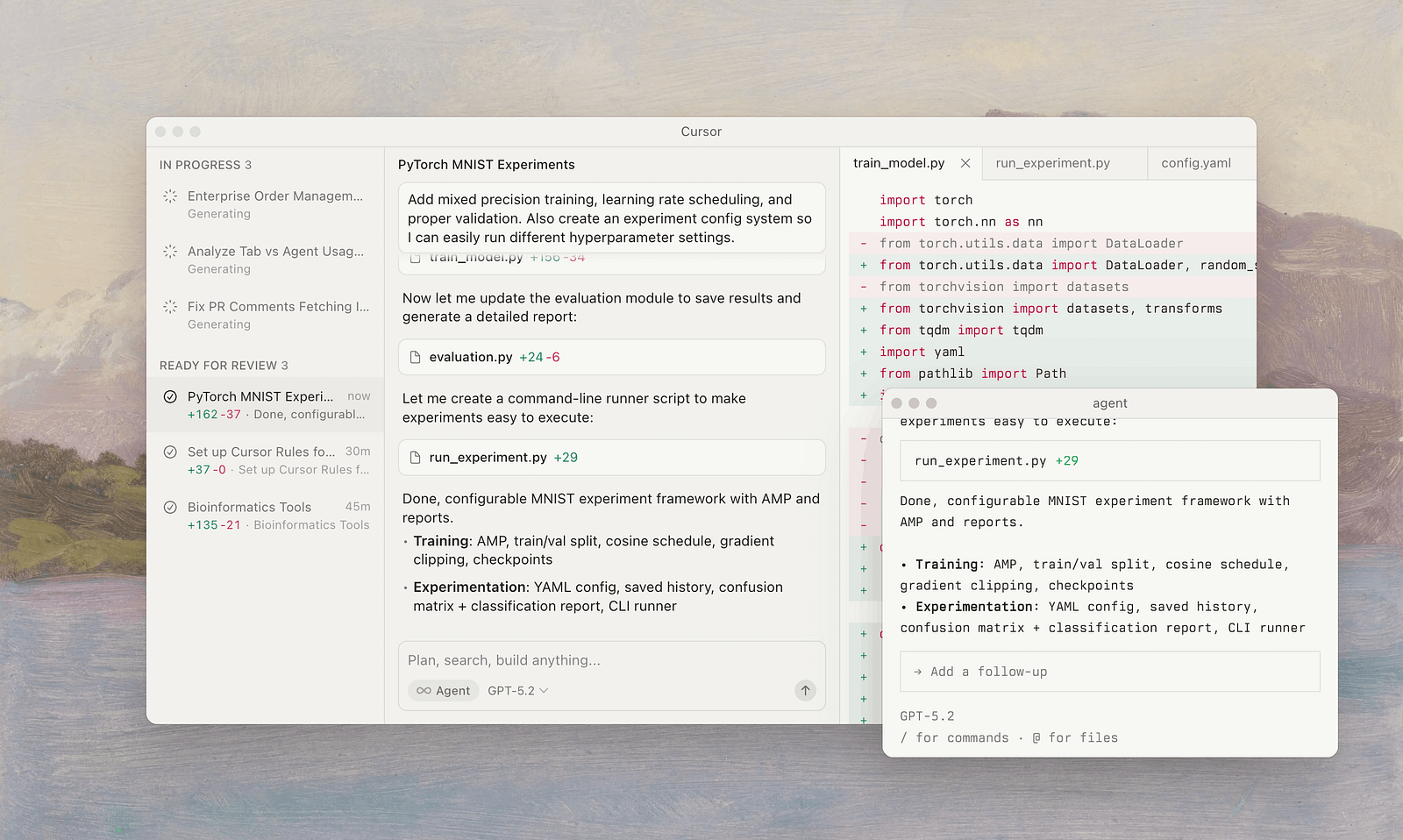
Cursor:

AI-powered code editor that understands design intent. Best for designers who ship code (or want to start).

  • Reads your codebase and suggests changes in context
  • Pair it with a Figma MCP connection and it builds from your design tokens
  • The closest thing to “designer-friendly coding” that actually works
  • We wrote about this workflow in detail in The Complete Vibe Coding Guide for Designers (2026).

Lovable:

Text-to-full-app builder. Best for MVPs and quick functional prototypes.

  • Generates working React apps from descriptions
  • Surprisingly good at forms, dashboards, and CRUD interfaces
  • Skip if: you need custom animation or complex interactions. It handles structure, not motion.

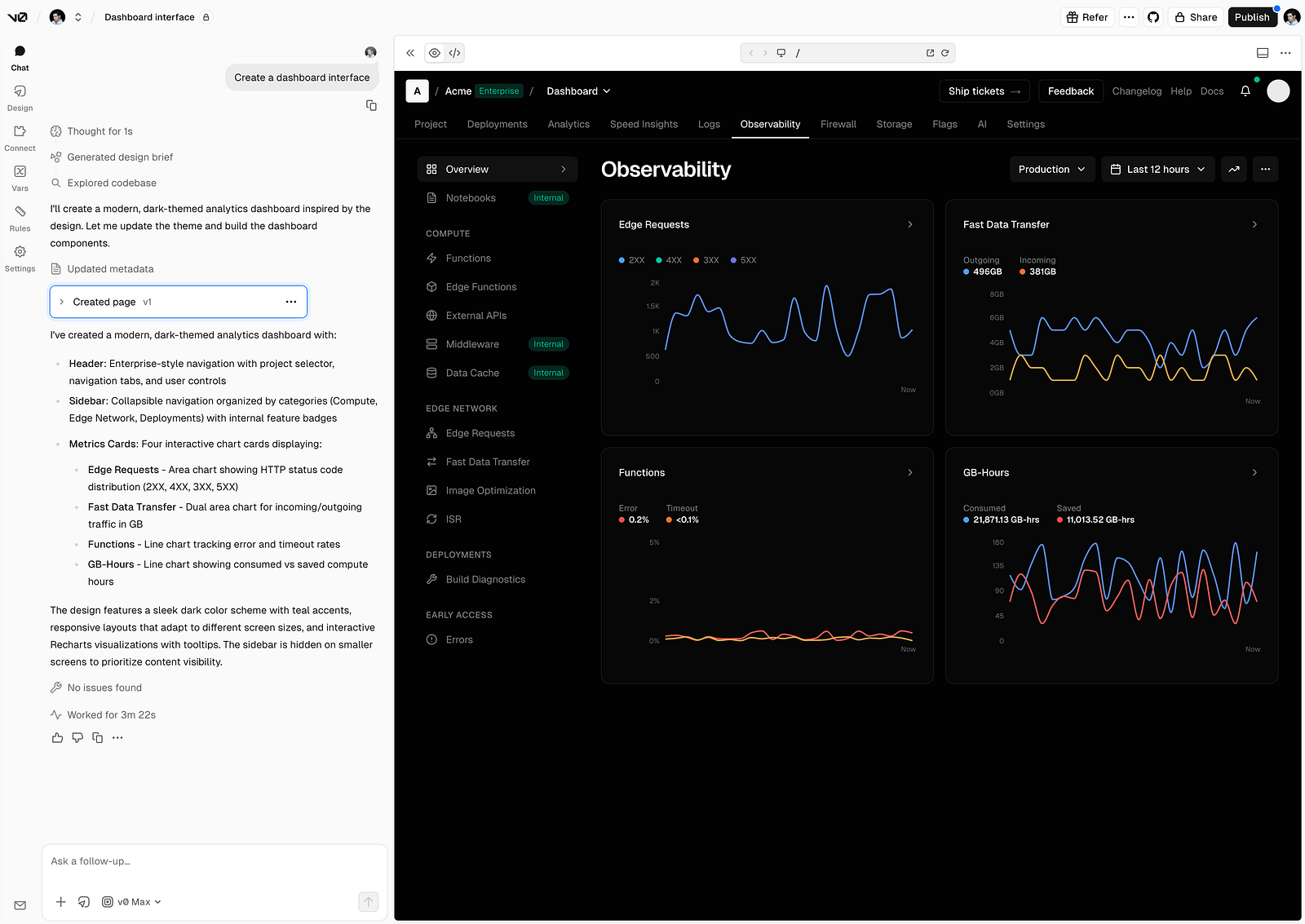
v0 by Vercel:

Generates UI components from prompts using shadcn/ui. Best for frontend-aware designers building component libraries.

  • Clean, production-grade React/Next.js output
  • Components match modern design system conventions
  • Skip if: you don’t work in React. It’s framework-specific.

Emergent:

Full-stack AI builder with visual and code views side by side. Best for designer-developers who want to see both layers.

  • Multi-agent architecture: a Planner breaks down your prompt, a Coder writes it, a Tester verifies
  • Edit the UI visually while the code updates underneath
  • One-click deployment to a live URL
  • Supports React and Next.js with Supabase, Stripe, and GitHub integrations

AI for Research and Testing

A detailed illustration of a person examining and adjusting the internal components of a humanoid robot, with exposed mechanical parts and circuitry, set against a purple background, with the text “AI for Research and Testing” overlaid.

Maze:

AI-powered usability testing and research analysis. Best for product designers running user tests.

  • Automated test report generation from recorded sessions
  • Smart audience targeting and question suggestions
  • Skip if: you need deep qualitative insights. It’s fast, not deep.

Attention Insight:

Predicts where users will look before you test. Best for landing page and ad design validation.

  • Heatmap predictions trained on 5.5 million eye-tracking fixations (90-96% accuracy)
  • Figma, Adobe XD, Photoshop, and Sketch plugins
  • Fast enough to test 10 layout variations in the time one user test takes
  • Skip if: you need behavioral data. Predicted attention is not confirmed attention.

AI for Visual Assets

A stylized illustration of a person seated in a large room filled with rows of computers, facing a screen displaying a robotic figure, with a red and purple color palette, and the text “AI for Visual Assets” overlaid.

Midjourney:

The reference standard for concept art, mood boards, and visual exploration. Best for creative direction and ideation.

  • Consistent aesthetic quality that other generators haven’t matched
  • v6 handles typography and composition better than earlier versions
  • Skip if: you need exact, editable outputs. It’s inspiration fuel, not a production tool.

Adobe Firefly:

AI generation inside the Adobe ecosystem. Best for teams standardized on Creative Cloud.

  • Trained on licensed content, safer for commercial use
  • Generative Fill and Expand in Photoshop are genuinely useful daily tools
  • The “commercially safe” angle matters if your legal team is involved

Runway:

AI video generation and editing. Best for motion designers and teams creating short-form video content.

  • Gen-3 produces usable video clips from text and image inputs
  • Motion Brush lets you animate specific elements in still images
  • Skip if: you need long-form or narrative video. It’s great for clips, not stories.

AI for Writing and Content

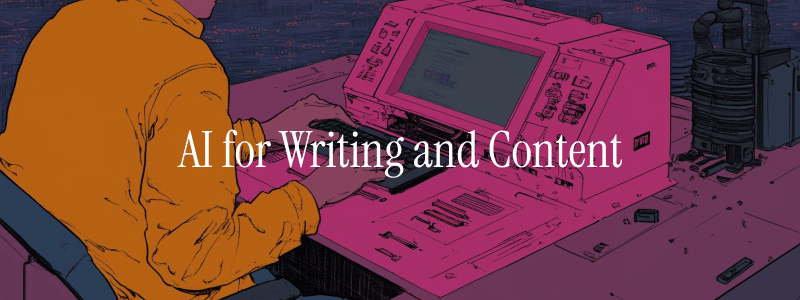
A stylized illustration of a person typing on a futuristic workstation with a large console and screen, surrounded by tools and equipment, rendered in bold pink and purple tones, with the text “AI for Writing and Content” overlaid.

Frontitude:

AI-powered UX writing tool with a Figma plugin. Best for product designers writing microcopy and interface text.

  • Generates contextual copy variations for buttons, errors, and empty states
  • Respects character limits and design context (not just a generic text generator)
  • Developer Pack for automating UX content handoff to CI/CD pipelines
  • Product Hunt #1 Product of the Day. Pricing: free tier available, paid plans for teams.

Khroma:

AI that learns your color preferences and generates palettes. Best for designers who know what they like but can’t articulate why.

  • Train it by choosing 50 colors you’re drawn to
  • Generates infinite palettes, gradients, and type pairings based on your taste profile
  • Skip if: you need precise brand work. It’s exploratory, not systematic.

How to Build Your AI Design Stack

A stylized illustration of a humanoid robot and a human figure facing each other in profile, both wearing futuristic headgear, set against a vivid blue sky with pink clouds, with the text “How to Build Your AI Design Stack” overlaid.

Not every tool belongs in your workflow. Here’s a decision framework:

If you’re a solo product designer:

Start with Figma AI + Cursor. You get generation, iteration, and code output without leaving your core tools.

If you lead a design team:

Add Maze for research and Frontitude for copy consistency. Your leverage is in the compound effect across the whole team.

If you’re a creative director:

Midjourney + Firefly for visual exploration, UX Pilot for rapid concept screens. Your job is to explore more directions faster.

If you’re a designer who codes:

Cursor + v0 + your design system. The stack is small because the integration is tight.

One rule applies to all stacks: if a tool creates more review work than it saves production work, drop it.

Key Patterns

Looking across all the tools that made this list, a few things stand out:

  • Integration beats isolation. The best tools work inside Figma, inside your editor, inside your existing workflow. Standalone AI tools that require copy-pasting between tabs are dying.
  • “Good enough fast” is the product. None of these tools produce perfect output. All of them produce 70-80% output in 10% of the time. The designers who benefit most are the ones comfortable with that tradeoff.
  • Research AI is behind generation AI. Generating screens is easier than understanding users. The research tools are useful but require more human judgment on top.
  • The code gap is closing. Two years ago, “designer to code” was a fantasy. Now Cursor + Figma MCP + a good design system gets you surprisingly close. This is the trend with the most momentum.
  • Commercial safety matters now. Adobe’s “trained on licensed content” pitch sounded like marketing in 2024. In 2026, with actual lawsuits settled, it’s a real differentiator.

Discover more tools like these on Muzli. Curated design resources, updated daily.

From Design to Code Without Losing Context: An MCP-First Workflow

Looking for a seamless way to turn AI-generated code into real design assets? Continue with our follow-up guide, Claude Code to Figma: How the New “Code to Canvas” Integration Works, and see how the MCP-first workflow evolves into a fully visual pipeline.


A practical example of preserving design context across AI and development tools

AI tools are now involved in every stage of product development, but most workflows still break at the handoff points. This article presents a practical example of an MCP-first design to development workflow, showing how design, AI, and development tools can work together as one continuous system.

The process described here is one example among many. Its purpose is not to define a single correct workflow, but to demonstrate how shared context and clean handoffs can turn disconnected tools into a coherent product process.


Why this matters now

Over the past year, AI has quietly entered almost every part of the product lifecycle.

Design teams experiment with AI inside design tools.
Developers rely on AI-assisted coding environments.
Product teams look for ways to speed things up across the board.

And yet, the biggest problem has not been capability.

It has been fragmentation.

Design intent gets lost between tools.
AI reinterprets decisions instead of continuing them.
Development often starts with partial context and missing assumptions.

This is where an MCP-first approach becomes useful.


MCP as a connective principle

MCP, Model Context Protocol, is not a specific product or platform.

It is a way of thinking about how context moves between tools.

Instead of each tool starting from scratch, MCP enables tools to share structured context such as:

  • component structure
  • naming conventions
  • design rules
  • system constraints
  • decisions already made

The goal is not more automation.
The goal is continuity.

Each step should continue the previous one, not reinterpret it.


Starting point: a finalized design in Figma

This workflow begins after exploration and discovery.

At this stage, there is a finalized Figma file that represents real product decisions:

  • defined components
  • a connected design system
  • design tokens
  • a clear hierarchy
  • states and behaviors

Figma acts here as a source of intent.

Not only how the interface looks, but how it is meant to behave, scale, and remain consistent.

For an MCP-based workflow to work well, the design needs to be reasonably structured and system-aware.
AI does not fix messy foundations. It amplifies them.


Connecting Figma to a language model via MCP

The next step is creating an MCP connection between Figma and a language model.

The model does not receive screenshots or flattened exports.
It receives structured design context:

  • component names
  • hierarchy
  • relationships
  • tokens
  • references to the design system

Claude is used here as an example, but it is not a requirement.
The same approach can be applied with other language models, including internal or open-source ones.

What matters is the model’s ability to read structured context, reason about design decisions, and produce precise, execution-oriented output.


The language model as a design interpreter

In this workflow, the language model is not acting as a designer.

Its role is to interpret the existing design and translate it into explicit instructions.

Using a dedicated skill or structured process, the model produces a specification that describes:

  • component structure
  • rules and constraints
  • token usage
  • interactions and states

This is not a creative prompt.
It is a specification.

This step is the core of the workflow.
It turns visual intent into something downstream tools can execute reliably.


Creating a prototype in Figma Make using the specification

Figma Make is used next, but not in isolation.

It is already connected to:

  • the design system
  • the token setup
  • the same naming conventions used in the design

The specification produced by the language model is provided as input.

This means the prototype is not generated directly from the design file itself, but from a clear interpretation of it.

The result is a prototype that is consistent, aligned with prior decisions, and suitable as a foundation for further development.


Moving the result into GitHub

Once the prototype is created, it needs to become part of the broader product workflow.

With a single push, the output of Figma Make is moved into GitHub as part of the existing project.

The key idea here is the transition itself.

What was created in a design-driven environment becomes a shared technical baseline that development tools can work with and build upon.

GitHub serves as the meeting point between design, AI, and development, and allows the work to continue without losing context.


Continuing development in Cursor

From GitHub, the workflow continues in Cursor.

Cursor does not start from a blank state.
It works with an existing structure that already reflects:

  • design intent
  • system rules
  • previous decisions

At this stage, teams can add logic, connect data, refine interactions, and move closer to a production-ready product.

AI here is not inventing the product.
It is continuing it.

MCP setup between GitHub and Cursor

Pulling a project from GitHub into Cursor


The workflow at a glance

At a high level, this MCP-first design to development workflow looks like this:

  • Figma defines intent
  • a language model interprets that intent
  • a structured specification bridges design and execution
  • Figma Make generates a prototype
  • GitHub becomes the shared baseline
  • Cursor continues development

MCP is what keeps this chain intact.


Why this approach works in real teams

The value of this workflow is not speed.

It is alignment.

Design decisions are preserved instead of reinterpreted.
AI works with context rather than guessing.
Development continues from a shared understanding instead of reconstructing intent.

Each step hands over context, not just output.

The tools can change.
The order can evolve.
The models can be replaced.

What should remain is the principle that tools should continue each other, not reinterpret each other.

That is the difference between experimenting with AI and actually building products with it.


💡 Stay inspired every day with Muzli!

Follow us for a daily stream of design, creativity, and innovation.
Linkedin | Instagram | Twitter

The Complete Vibe Coding Guide for Designers (2026)

How to work smart with AI, maintain your Design System, and build products that feel real

In 2026, nobody is impressed by “I made a prototype with AI” anymore.

Everyone has seen stunning UI generated in an hour. Everyone has seen demos that look flawless on the first screen, then completely fall apart on the second.

The questions that matter now are not “Does it work?” but:

How was it built?
Is it consistent?
Can it scale?

Will someone be able to continue from this in a month?

What’s impressive today is a designer who can take an idea and turn it into something that feels like a real product: with rules, consistency, a Design System, proper behavior, and a process you can trust.

This is exactly where Vibe Coding transforms from a trend into a real craft.

 — -

What Is Vibe Coding (In Designer Terms)

Vibe Coding is not “learning to code”, and it’s not classic No-Code either.

It’s a workflow where you describe intent, and AI translates it into output: screens, flows, states, sometimes data, sometimes code.

But the real story isn’t the tool.

The real story is you.

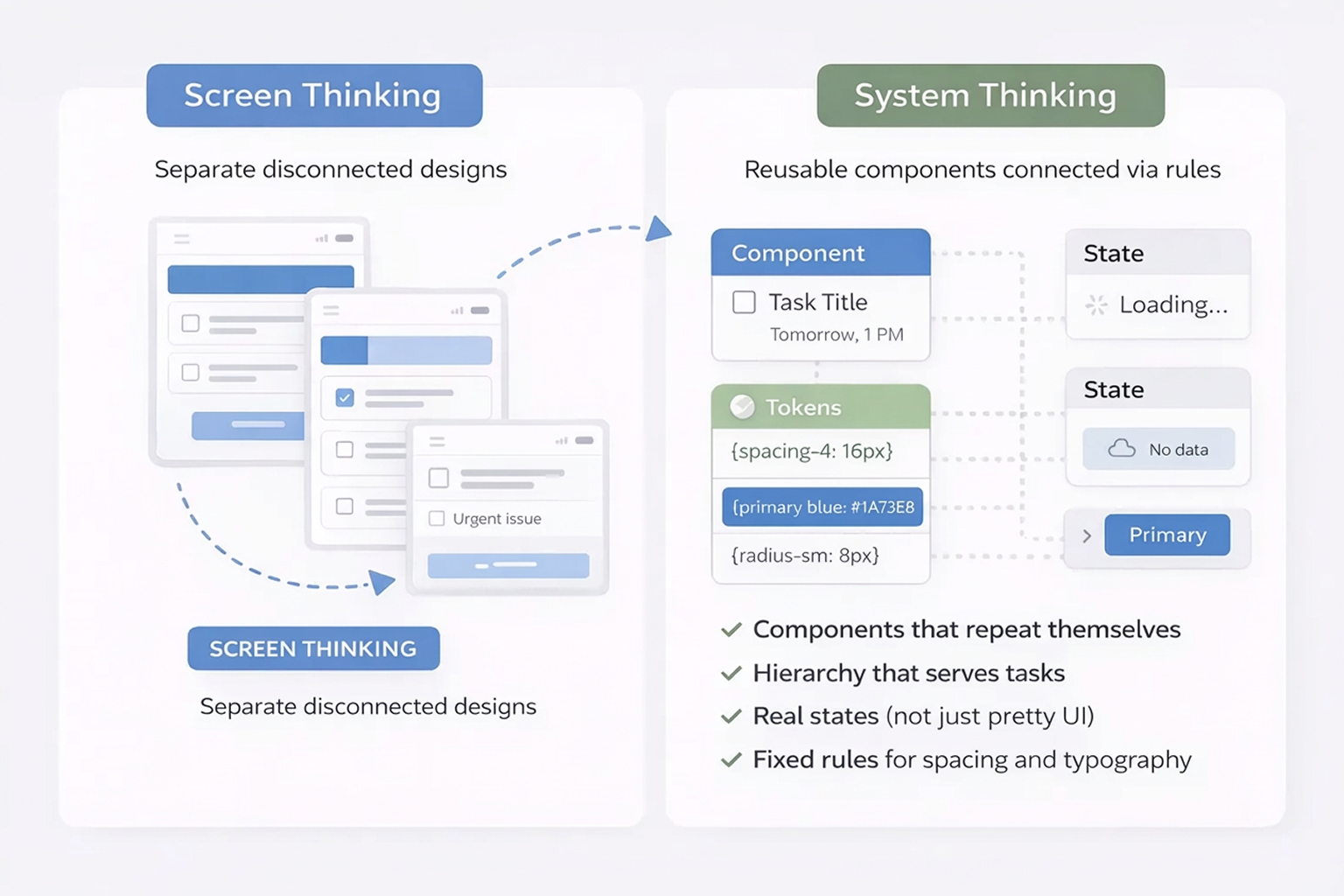
Good Vibe Coding forces designers to shift from thinking in “screens” to thinking in “systems”:

  • Components that repeat themselves
  • Hierarchy that serves tasks
  • Real states (not just pretty UI)
  • Fixed rules for spacing and typography
  • Screens that feel like one product, not a collection of pages
What Is Vibe Coding (In Designer Terms)

 — -

How Designers Are Measured in 2026

Tools change. The criteria stay the same.

If you want to work properly with Vibe Coding, measure every tool by six questions:

1. Speed to Demo

2. Design System Fidelity

3. Component Consistency

4. States and Behavior

5. Path to Continuation

6. Data Connection

 — -

The Biggest Advantage of 2026: Tools That Talk to Each Other (MCP)

Today, the big difference isn’t “which tool is smartest”.

The difference is whether your tools work like a team.

MCP (Model Context Protocol) is what makes that possible.

MCP in Plain Language

MCP is a connection layer that allows AI tools to work with your sources of truth instead of guessing.

Instead of every tool starting from zero and trying to “understand the design”, it can receive real context:

  • Components
  • Auto Layout
  • Variables and tokens
  • System naming conventions
  • Code project structure
  • Existing rules you’re already working with

In designer terms: MCP transforms AI from someone trying to imitate your design into someone translating it.

Without context, AI guesses:

“I think this is an H1”
“I think the spacing is 16px”
“I think this is a Primary button”

With real context, AI knows:

“This is your system’s H1”
“This is your spacing token”
“This is your existing Button/Primary component”

And that’s the difference between “same vibe” and “same product”.

If you want to see what this looks like in a real workflow, I broke it down step by step in a separate article that follows design intent from Figma all the way to code, without losing context at handoff points.

>>From Design to Code Without Losing Context: An MCP-First Workflow

 — -

Connections That Actually Make a Difference

MCP isn’t theory. It changes outcomes.

Here are the connections that matter:

Figma → Cursor

Cleaner implementation, less guessing, more precision.

Figma → Claude (or other models)

Extract rules from the Design System: what exists, what’s allowed, what must stay consistent.

Repo → Cursor

Less duplication, fewer “new components by accident”, less spaghetti code.

 — -

The Biggest Danger: Letting AI Replace the Designer’s Brain

The most common bug in Vibe Coding isn’t technical.

It happens in your head.

AI can generate something that looks good, works, and runs fast.

Then it becomes dangerously easy to say: “I trust it”, and stop thinking like a designer.

At that moment, you stop designing and start approving.

Symptoms appear fast:

  • Visual hierarchy that doesn’t support the user’s task (but “looks fine”)
  • Spacing inconsistencies that slowly creep between screens
  • Components that look similar but aren’t actually the same thing
  • A product that feels like a collection of pretty screens, not a real system

There’s an even deeper layer.

AI will generate a solution even when it has no idea if it makes sense UX-wise.

It’s not worried about edge cases, cognitive load, emotional context, or user mental models.

It’s committed to giving an answer.

That’s why your job stays critical.

Ask yourself:

  • Why is this element here, does it support the task or just fill space?
  • Is the sequence logical, or does it just “flow visually”?
  • What happens before, after, and in edge cases?
  • Would you defend this in a user interview?

The right framing is simple:

AI is the intern.

You’re the Lead.

It runs fast.

You decide what ships.

The Biggest Danger: Letting AI Replace the Designer’s Brain

 — -

The 3 Layers of Vibe Coding (So You Pick the Right Tools)

Don’t ask “What’s the best tool?”

Ask:

What stage am I working in right now?

Layer 1: Exploration

Experiments, variations, quick demos.

Layer 2: MVP

A small working product with real flows and basic data.

Layer 3: Engineering

Quality, consistency, cleanliness, components, Git, continuation.

Most tools are great at Layer 1 or 2.

The real advantage in 2026 is bringing work to Layer 3 without losing your mind.

If you want a practical overview of which AI design tools actually hold up in real workflows, this guide breaks it down clearly: Best AI Design Tools for UI/UX Designers in 2026.

The 3 Layers of Vibe Coding (So You Pick the Right Tools)

 — -

The Tools That Actually Matter for Designers in 2026

There’s no “one winning tool”.

There’s a pipeline.

Think like a small studio: pick tools based on the job, then move forward.

Figma Make

The most natural tool for designers because it starts from your language and your design files.

Best for: Layer 1 → Layer 2

Strengths: Native Figma flow, fast iteration, familiar mental model

Limitations: Can get messy without system discipline

Figma Make ui

— –

Lovable

Excellent when you need a working MVP with logic and data.

Best for: Layer 2

Strengths: Full-stack generation, data integration, fast MVP velocity

Limitations: Less control over pixel-perfect visual details

Lovable UI

— –

v0 by Vercel

Clean React components with a production-ready feel.

Best for: Layer 2 → Layer 3 transition

Strengths: High-quality code output, component-driven structure

Limitations: Requires some technical comfort to customize deeply

v0 by Vercel ui

— –

Cursor

Where everything becomes real: polish, consistency, unified components, and code you can continue from.

Best for: Layer 3

Strengths: Full IDE capabilities, codebase understanding, precise control

Limitations: Steeper learning curve, requires basic coding literacy

Cursor ui

— –

Bolt

A great exploration tool to find direction fast without commitment.

Best for: Layer 1

Strengths: Super fast prototyping, no setup

Limitations: Not meant for production

Bolt ui

— –

Claude Code (Optional)

Powerful for cleanup, refactoring, structure, and reducing chaos in AI-generated code.

Best for: Engineering support

Strengths: Intelligent refactoring, consistency support

Claude Code ui

 — -

The Right Pipeline for Designers (2026)

The biggest mistake is choosing one tool and locking into it forever.

The right way is to move between stages.

Figma-First Route (Maximum Fidelity)

Figma → Figma Make → Cursor → Production

Best when you have a detailed Design System and need pixel-perfect implementation.

Fast MVP Route (Maximum Movement + Data)

Figma as reference → Lovable → Cursor → Production

Best when you need something functional quickly with real flows.

Direction-Finding Route

Idea → Bolt → Figma Make or Lovable → Cursor

Best when you’re still exploring and need validation fast.

 — -

How to Achieve Maximum Precision Without Fighting AI

Precision doesn’t come from longer prompts.

Precision comes from clearer rules.

If you want output that feels like the same product:

Start with a Golden Screen

Pick one screen that perfectly represents your system. Use it as the reference point.

Don’t Let AI Invent Components

Always reference real components by name.

Say: “Use Button/Primary”

Not: “Make a blue button”

Introduce States Early

Loading, error, empty, success. From day one.

Work With Tokens, Not “Make It Pretty”

Say: “Use spacing-4 (16px)”

Not: “Add some space”

Do Polish Where You Have Full Control

Usually that’s Cursor.

Most importantly:

AI doesn’t get anxious when something doesn’t make sense.

You do.

And that’s your advantage.

 — -

Advanced Techniques: Using AI as Your Hands, Not Your Brain

Build a System Prompt Library

Reusable prompts that encode your system rules.

Example:

“All buttons use Button/Primary, Button/Secondary, or Button/Ghost.

Never create new button variants.”

Use Visual References

Don’t just describe. Show.

  • Screenshot your Figma components
  • Include them in prompts
  • Reference component names

Build Incrementally

Start simple, then add complexity:

1. Static layout with placeholder content

2. Add one interaction

3. Add states for that interaction

4. Add the next feature

5. Refactor when you see patterns

Version Control Is Your Friend

Even with AI-generated code:

  • Commit after each working feature
  • Write clear commit messages
  • Roll back when AI goes sideways

 — -

Common Pitfalls (And How to Avoid Them)

Pitfall 1: “Let’s Make Everything at Once”
Build one flow completely before moving to the next.

Pitfall 2: “The AI Should Just Know”
Be explicit about your system every time.

Pitfall 3: “This Demo Is Good Enough”
Ship demos. Build for continuation.

Pitfall 4: “I’ll Fix Consistency Later”
Consistency is easier to maintain than to retrofit.

Pitfall 5: “I Don’t Need to Understand the Code”
You don’t need to write it, but you must be able to read the structure.

 — -

If I Had to Pick Only 2 Tools to Cover 80% of What You Need

If you’re starting today and you want the simplest setup that still gets real results, pick:

1. Figma Make

Fastest way to go from idea to a living demo, without switching mental models.

2. Cursor

The place where demos become a product foundation: consistent components, real structure, continuation-ready code.

In short:

Figma Make gets you to “this feels real” fast.

Cursor gets you to “this is buildable” long-term.

 — -

The Skills That Matter Most in 2026

Technical skills are table stakes.

What separates good from great:

  • Systems Thinking
  • Clear Communication
  • Knowing When to Stop
  • Quality Bar Maintenance
  • Comfort With Iteration

 — -

In Summary: Vibe Coding Doesn’t Replace Designers, It Replaces Waiting

The advantage of a designer in 2026 isn’t knowing one more tool.

It’s knowing how to produce output that’s fast, precise, consistent, and feels like a real product.

AI can generate UI.

But only a designer can build a system with direction, rules, and logic.

Tools used to be isolated.

Now they’re starting to understand each other.

And when tools stop guessing and start working from shared context, Vibe Coding stops being magic and starts being a craft.

— –

The Practical Playlist (Start Here)

The Perfect Cursor AI Workflow (3 Simple Steps)

— –

I Built My Entire Design System in 4 Hours With AI. Full Tutorial (Claude + Cursor + Figma)

— –

Figma MCP + Cursor — Full Tutorial

— –

How To Move Your Lovable Project to Cursor (QUICK & EASY)

— –

DESIGN in v0, FINISH in Cursor | AI coding Tutorial

Best Chrome Extensions for Designers in 2026 – Tools You’ll Actually Use

There’s something satisfying about finding a browser extension that instantly improves your creative flow. One small install, and suddenly your day feels smoother, faster, and more inspired.

As a company that built one of the most popular and long-standing extensions for designers, and that has spent years exploring tools, plugins, and workflows across the creative world, we know exactly how much designers love discovering great browser helpers.

So here’s our updated list of the best browser extensions for designers in 2026. And as always, we’ll start with a little self-promotion: Muzli, the design inspiration hub that just got a full redesign and continues to grow with a brand-new community space.


Muzli – Your Daily Inspiration Hub

This year, Muzli went through a complete redesign. What started as a simple new-tab inspiration feed has evolved into a full creative ecosystem. The new version feels faster, cleaner, and more personal, offering designers a smoother way to stay inspired.

Alongside the redesign, we introduced Muzli.Me – a community space where creatives can showcase their projects, share real design work, and connect with others. It’s already becoming one of the most popular destinations for discovering fresh talent and ideas.

Why designers love it:

  • Every new tab brings fresh inspiration and real-time trends.
  • Choose from over 160 categories and sources.
  • Explore mockups, case studies, and creative articles.
  • Join Muzli Me to share your own work and get noticed.

Try it yourself: Get Muzli on Chrome Web Store

Muzli — Your Daily Inspiration Hub

SVG Export — Grab and Convert SVGs Instantly

SVG Export makes it easy to collect and download vector graphics from any website in seconds. With one click, the extension scans the page, finds all SVG files, and lets you export them individually or in bulk. You can choose between multiple formats such as SVG, PNG, or JPEG, adjust dimensions before downloading, or copy the SVG code directly into design tools like Figma.

It’s a great time-saver for designers who work with icons, interface elements, or visual systems, helping you analyze designs and build asset libraries without touching source code.

Key advantages:

  • Detects and displays all SVGs on any webpage.
  • Export files in SVG, PNG, or JPEG formats.
  • Resize graphics before saving.
  • Copy SVGs directly for use in design tools like Figma.
  • Preserves CSS styling and linked elements in exported files.

Try the extension: SVG Export on Chrome Web Store

SVG Export — Grab and Convert SVGs Instantly

Color Picker – Pick Colors from Anywhere on Your Screen

Color Picker is a clean, accurate, and easy-to-use tool that lets you capture colors from any pixel on your screen with perfect precision. The moment you select a color, you get its HEX, RGB, and HSL values, ready to copy into your favorite design tools.

It also keeps a complete history of every color you’ve chosen, so you can revisit and reuse your selections whenever you need. Whether you’re designing a website, crafting a user interface, or working on illustrations, it’s a simple extension that helps you maintain color consistency and save time.

Key advantages:

  • Pick any color from your screen instantly.
  • See HEX, RGB, and HSL values for each color.
  • Automatically saves a full color history.
  • Works smoothly across multiple tabs and screens.
  • Lightweight, fast, and perfect for daily design work.

Try the extension: Color Picker on Chrome Web Store

Color Picker — Pick Colors from Anywhere on Your Screen

Adobe Photoshop Extension – Edit Images Right from Your Browser

Adobe Photoshop for Chrome brings the familiar power of Photoshop straight into your browser. It allows you to open, view, and edit PSD files stored either in the cloud or locally on your device, all without launching the full desktop application. You can make quick edits, adjust layers, crop, and export assets right from your browser tab.

The extension integrates seamlessly with Adobe Creative Cloud, letting you switch smoothly between browser and desktop workflows. It’s perfect for designers who need to review layered files, make light edits, or collaborate on shared projects from anywhere.

Key advantages:

  • Open and edit PSD files directly inside your browser.
  • Access and manage projects through Adobe Creative Cloud.
  • Make quick edits to layers, images, and compositions.
  • Export assets instantly for web or presentation use.
  • Ideal for fast on-the-go edits without opening the desktop app.

Try the extension: Adobe Photoshop Extension on Chrome Web Store

Adobe Photoshop Extension — Edit Images Right from Your Browser

Responsive Viewer — Test Your Design Across Multiple Screens

Responsive Viewer is a practical tool for designers and developers who want to see how a website or app looks across different devices at the same time. Instead of resizing your browser window or switching between tools, you can view multiple screen sizes side by side, scroll through them in sync, and instantly check how layouts adapt.

It’s an essential extension for anyone working on responsive web design, helping spot alignment issues, spacing inconsistencies, and visual breaks early in the process.

Key advantages:

  • Display multiple device screens in one unified view.
  • Sync scrolling and navigation across all previews.
  • Use preset or custom screen sizes to match your design targets.
  • Simplify responsive testing without switching between devices.

Try the extension: Responsive Viewer on Chrome Web Store

Responsive Viewer — Test Your Design Across Multiple Screens

Loom — Record, Explain, and Share

Loom lets you record your screen, camera, and voice all at once and instantly share the result. It’s ideal for designers who want to walk clients or teammates through a prototype, present design ideas, or give visual feedback without scheduling another meeting.

With Loom, you can highlight interactions, narrate your design process, and make complex explanations easy to follow. The built-in editing tools let you trim, annotate, or add callouts, while automatic transcription makes videos easier to search and share.

Key advantages:

  • Record your screen, camera, and microphone in one click.
  • Instantly generate a shareable link for quick feedback.
  • Add annotations and trim recordings directly in the editor.
  • Automatic transcription available in newer versions.
  • Perfect for asynchronous communication in design teams.

Try the extension: Loom on Chrome Web Store

Loom — Record, Explain, and Share

WhatFont — Instantly Identify Web Fonts

WhatFont is the simplest way to find out which fonts are used on any website. Hover your cursor over a piece of text, and the font name appears right away. Click once, and you’ll see details such as font size, weight, color, and line height.

It’s a must-have for designers who love exploring typography or want to learn from well-crafted web layouts. Whether you’re researching for a project or collecting type inspiration, this extension makes the process effortless.

Key advantages:

  • Identify fonts on any website instantly.
  • View detailed font properties including size, weight, and line height.
  • Works seamlessly with fonts from services like Google Fonts and Adobe Fonts.
  • Helps build your personal typography library quickly.

Try the extension: WhatFont on Chrome Web Store

WhatFont — Instantly Identify Web Fonts

Image Downloader — Imageye — Collect and Download Images in Seconds

Image Downloader — Imageye is a fast and reliable tool for finding and saving images from any website. It automatically scans the page, displays all the available images, and lets you select, filter, and download them individually or in bulk.

You can filter by image size, type, or URL, and even convert formats before downloading. It’s a must-have for designers collecting visual references, inspiration, or assets for mood boards and presentations.

Key advantages:

  • Detects and displays all images on a webpage automatically.
  • Bulk download or select specific images you want.
  • Filter by resolution, file type, or source URL.
  • Convert formats such as WebP to JPG or PNG before saving.
  • Ideal for building design references and inspiration boards.

Try the extension: Image Downloader — Imageye on Chrome Web Store

Image Downloader — Imageye — Collect and Download Images in Seconds

Google Font Previewer — Test Google Fonts on Live Pages

Google Font Previewer lets you browse the full directory of Google Fonts and apply any font to a webpage or a specific CSS selector in real time. You can switch fonts instantly and see how they look in context, helping you choose the perfect typeface before committing to your design. 

Key advantages:

  • Browse and apply any font from Google Fonts directly on the current page.
  • Target the whole page or a specific selector for precise testing.
  • Star your favorite fonts for quick access later.
  • Great for designers who want to preview typography in context.

Try the extension: Google Font Previewer on Chrome Web Store

Google Font Previewer — Test Google Fonts on Live Pages

.

Designer Tools — Pixel-Perfect Design Helpers

Designer Tools is a browser extension built for designers and developers who aim for precision in their web layouts. It features rulers, guides, customizable grids, and measurement tools that help you align, compare, and polish design elements right inside your browser. 

Here’s what it brings to your workflow:

  • Add horizontal or vertical rulers and guidelines to check alignment and spacing visually. 
  • Overlay custom grids or compare your live page against a design mock-up to ensure exact matches. 
  • Customize tool settings such as color, thickness of guides, dark mode support and more for your personal workflow. 
  • Useful for designers who review live implementations, deliver pixel-perfect hand-offs, or audit front-end work.

Try the extension: Designer Tools on Chrome Web Store

Designer Tools — Pixel-Perfect Design Helpers

Awesome Screen Recorder & Screenshot — Record, Capture, and Share Effortlessly

Awesome Screen Recorder & Screenshot is a versatile extension that combines screen recording and screenshot tools in one simple interface. It’s perfect for designers who want to capture design feedback, demonstrate prototypes, or document their creative process.

You can record your full screen, a specific tab, or a window with audio and webcam, then share the recording instantly. For screenshots, you can capture the full page or selected areas, annotate with arrows or text, blur sensitive details, and export in seconds.

Key advantages:

  • Record full screen, tabs, or windows with audio and camera.
  • Capture full-page or custom screenshots.
  • Annotate easily with shapes, highlights, and blur tools.
  • Save locally or share instantly via link.
  • Ideal for tutorials, feedback, and design documentation.

Try the extension: Awesome Screen Recorder & Screenshot on Chrome Web Store

Awesome Screen Recorder & Screenshot — Record, Capture, and Share Effortlessly

A Better Way to Design Online

Browser extensions make the web feel like a creative workspace. They help designers stay organized, explore ideas, and move faster between inspiration and execution. Muzli keeps creativity flowing through its daily inspiration feed and growing creative community at Muzli Me. Tools like SVG Export, Color Picker, Responsive Viewer, WhatFont, and Loom make everyday design work more efficient, turning your browser into a powerful design environment.

Pick the ones that fit your workflow and transform your browser into a space built for creativity, focus, and inspiration.


💡 Stay inspired every day with Muzli!

Follow us for a daily stream of design, creativity, and innovation.
Linkedin | Instagram | Twitter

Weekly Designers Update #516

Your weekly dose of design inspiration, featuring the hottest projects, must-have tools, and game-changing products.


🏆 Muzli Community Uploads

Want to get featured? Upload your work to Muzli.me

Viva La Labia

by ROCANI

Immersive WebGL website and branding for Viva La Labia, an interactive digital experience combining storytelling, 3D design, and luxury jewellery.

.

Hour:Zero — Architectural CGI Studio

by Bimo Tri

A cinematic architectural CGI study exploring light, material, and shadow.

.

Website for BabyDoge — meme cryptocurrency created by the Dogecoin community

by Relate Studio

The website for BabyDoge was designed as an interactive, explorative journey into their story and mission. Our goal was to move beyond the ordinary and create a living brand experience that helps visitors genuinely connect with BabyDoge. With its vibrant community, playful spirit, and purpose-driven impact.

.

particlesGL

by NaughtyDuk©

particlesGL brings interactive particle effects to the web with a lightweight WebGL renderer. It converts any DOM element, images, SVGs, text, videos, or even 3D models, into responsive particle systems that react to mouse movement. The library features velocity-based interactions, meaning effects only appear when the cursor is actively moving, creating natural and performant user experiences.


đŸ”„ Must-See Design Picks

Adrien Lamy đŸ˜€

Independent Creative Developer based in Paris, passionate about animation and storytelling. And coffee.

.

YamĂȘ — The Molazone

To celebrate the release of his new album, explore YamĂȘ’s universe with this immersive website. Discover the settings of the artist’s songs, exclusive content, and even a mini-game!

.

The New Industrials by Raw Materials

A new wave of innovators is rebuilding the real world — tackling energy, logistics, AI, and space to reshape industry, infrastructure, and society itself.

.

Clay Boan — Multidisciplinary

Selected works by Multidisciplinary Designer, Clay Boan (2025)


💡 New Tools & Assets for Designers

Embeddable — Build Interactive Tools That Convert.

Build interactive, conversion-focused tools for your website without writing a single line of code. smart forms, pop-ups, quizzes, or literally anything, you can go from idea to live in minutes

.

Guidey | Plug and Play Onboarding

Engage your users from their first visit with easy-to-create interactive tours.

.

iPhone 16 Pro 006 Mockuply

Discover 6 stunning scenes showcasing the iPhone 16 Pro

.

Baseform — Creative Portfolio Framer Template

Baseform is the ultimate Framer portfolio template designed for agencies, freelance creatives, videographers and studios. Effortlessly build a striking portfolio that highlights your best and most recent work.


📱 Trending & News This Week

Figma’s AI tools now available to all users

Figma’s new AI tools — Make, Copilot and others — are now available across all subscription tiers. They let teams build apps and websites from natural‑language prompts, though pricing still varies by role and human oversight is still needed

.

Real‑time collaboration in Webflow

On July 23, Webflow launched a private beta for real‑time editing. This allows multiple team members — designers, developers and marketers — to work simultaneously on the same page, reducing file hand‑offs and making collaboration smoother. The feature will eventually become available to all plans at no extra cost


💡 Stay Inspired Every Day!

Follow us for a daily stream of design, creativity, and innovation.
Linkedin | Instagram | Twitter

Introducing Muzli Me 

Where Your Creative Identity Starts

Some ideas refuse to die- they simmer in the background, waiting for their moment.

Seven years ago, we started building something we knew the creative world needed: a place where your full creative identity could finally live and breathe, not scattered across a dozen platforms like fragments of who you really are.
Back then, we got close. Muzli Me was designed, built, and almost launched, but life had other plans and it never saw the light of day.

Still, the reason we started building it? That never went away.

Even as the design world changed, as new platforms came and went, we kept feeling the same itch- creatives deserved better than silos.

Today, that stubborn idea finally gets its day in the sun, and marks the first step into a future where your creative identity isn’t scattered, it’s connected, complete, and authentically you.

The Reality

Your Dribbble shows your polished shots, but not the messy sketches that got you there. 
Your Medium has your thoughts on design, but none of your actual work.
Your Instagram captures your creative process, but hiring managers will never find it. 
Your LinkedIn looks professional, but feels nothing like the real you.

Your creative identity isn’t a single place- it’s everywhere.
Your finished work and your rough ideas. Your professional projects and your 2am experiments. The tools you swear by and the articles that changed how you think, and maybe even the latest side-project you’ve been working on.

And so far, no one was telling it.

The Vision

Enter Muzli Me, a creative home base, but it’s not here to kill your other platforms.

Muzli Me gives you a place to showcase everything that makes you creative — not just one content type. Not just a single angle.
It’s your entire creative DNA, finally visible, finally connected, finally you.

It’s not a competitor to your other platforms. It’s a spotlight for them.
We don’t want to replace your Dribbble, Behance, YouTube, Medium, Instagram or Linkedin — we want to amplify them. 
Muzli Me connects the dots between everything you create and everything you are.

And for hiring teams? This means seeing the whole person, not just a polished slice of their work. It’s the best way to find people who truly match your design culture.

This is just day one.
Muzli Me will grow and evolve with you, with us, with the community we’re building together. But today? Today we’re planting a flag for something the creative world has been missing- a place where you don’t have to choose which part of yourself to show.

Why Muzli Me?

A new kind of profile built for creative humans, not just portfolios.

All types of creative content, in one place

Share website links, shots, tools & resources, videos, articles, social content – everything that reflects who you are.

Share your work in seconds

Upload media directly from your computer- or simply paste a link from any popular creative platform, and we’ll take care of the rest.
It’s fast, seamless, and built to fit your existing workflow.

Get discovered by the Muzli community

Your work becomes part of our curated feed, visible to hundreds of thousands designers, employers and creatives.

Find inspiration. Inspire others.

Muzli Me is not just a profile — it’s part of a living, breathing ecosystem of design inspiration.

Join the Founding Community and let’s make this something amazing.
Claim your Muzli handle now →

With love,
 — The Muzli Team

Best Figma Plugins For Designers In 2025

Looking for the latest tools to supercharge your workflow? Explore our updated guide, Best Figma Plugins for Designers in 2026, featuring this year’s most powerful, innovative, and productivity-boosting plugins.


Designing in Figma only continues to improve — and in 2025, the perfect plugins are what tip the scales. This list, handpicked by experienced designers, showcases the most practical, cutting-edge, and timesaving Figma plugins available today. Whether you’re fine-tuning design systems, streamlining routine tasks, or pushing into new creative areas with AI, these plugins are here to assist every part of your process.

 — — — — — — — -

📂 Workflow, Accessibility & File Management

These plugins are designed to save you precious time, ensure accessibility, keep your files organized, and allow you to focus on the design itself rather than repetitive technical tasks.

Design Lint

Detect and fix inconsistent styles across your file.

Design Lint

.

Rename It

Batch‑rename layers, frames and groups using find/replace or numbering.

Rename It

.

Instance Finder

Locate all instances of a component across pages in a file.

Instance Finder

.

Find and Replace

Globally search and replace text strings throughout your design.

Find and Replace

.

Clean Document

Automagically organize and clean up your Figma document.

Clean Document

.

Destroyer

Let Destroyer recursively detach instances, remove auto layouts, detach styles and variables within your current selection so you can iterate faster!

Destroyer

.

Batch Styler

Update multiple text or color styles in bulk.

Batch Styler

.

Stark — Contrast & Accessibility Checker

Accessibility checker for color contrast and color blindness simulation.

Stark — Contrast & Accessibility Checker

.

TinyImage Compressor

Compress and export optimized images (PNG, JPG, WebP).

TinyImage Compressor

 — — — — — — 

🎹 Visual Design & Advanced Effects

Elevate your designs with plugins that enable stunning visual effects, precise image manipulation, and unique shape creation.

Ruri Shader

Adds chrome, metallic, and gradient shader effects to text and shapes.

Ruri Shader

.

Color Spark

Quickly generates fresh color palettes with complementary colors.

Color Spark

.

Noise & Texture

Add seamless noise, patterns, gradients, and textures to elevate visual depth in your designs.

Noise & Texture

.

3D Wave

Instantly soften shapes and elements with realistic 3D wave-like deformation.

3D Wave

.

Fast Isometric

Turn elements into isometric 3D with one click — ideal for dynamic visuals and UI illustrations.

Fast Isometric

.

ARC — Bend your type!

Curve text upward, downward, or into perfect circles for expressive typographic layouts.

ARC — Bend your type!

.

Image Tracer

Convert raster images into editable vector shapes.

Image Tracer

.

Remove BG

Remove backgrounds from images in one click.

Remove BG

.

Shapelax

Adds cursor-based parallax animations to your designs.

Shapelax


✍ Text, Fonts & Copywriting Tools

Essential plugins for efficient text handling, font management, and improving content clarity and tone.

Content Reel

Fill designs with real names, data, and avatars.

Content Reel

.

TypeBalance

Automatically adjusts text for optimal readability and accessibility.

TypeBalance

.

Better Font Picker

A visual font selector showing live previews.

Better Font Picker

.

Google Fonts Pro

Browse and apply Google Fonts without leaving Figma.

Google Fonts Pro

.

Writer for Figma

Grammar, style, and tone checking for UI copy directly in Figma.

Writer for Figma

— — — — — — 

đŸ§‘â€đŸ’» Development Handoff & Design Systems

These plugins bridge the gap between design and development, enabling seamless transfer of specifications, assets, and code, while supporting robust design system management.

Tokens Studio

Manage design tokens (colors, spacing, typography) and sync with code.

Tokens Studio

.

Locofy Lightning — Figma to Code in a flash

Generate production‑ready front‑end code (React, HTML/CSS, Flutter) from designs.

Locofy Lightning — Figma to Code in a flash

.

Anima

Generate responsive code (HTML, CSS, React, Vue, Tailwind) from your designs, with AI-assisted personalization.

Anima

.

Musho AI

Turn text prompts into dev-ready layouts with smart copy, auto-layout, and polished visuals.

Musho AI

.

html.to.design

Import any existing website and turn it into fully editable Figma layers in seconds.

html.to.design

.

Figma to HTML with Framer

Copy-paste your Figma designs into Framer to generate editable layouts in real time.

Figma to HTML with Framer

.

Figma to Webflow (HTML, CSS and Website)

Transform your static designs into a production-ready site with Webflow. Sync your design system — components, variables, and styles — to give your team the power to launch sophisticated sites quickly.

Figma to Webflow (HTML, CSS and Website)

.

Relume Figma Kit (v3.2)

A comprehensive UI kit with 1,000+ components, mobile variants, and color variables — updated monthly for use with the Relume Site Builder.

Relume Figma Kit (v3.2)

.

Zeplin

Publish designs for dev handoff with specs, assets, and style guides.

Zeplin

.

Figr Identity — Generate Design Systems with AI

Auto-generates a design system from any Figma file.

Figr Identity — Generate Design Systems with AI

.

Brandfetch

Instantly import company logos, brand colors, and fonts.

Brandfetch

— — — — — — 

đŸ–Œïž Visual Content & Asset Libraries

These plugins provide quick access to vast repositories of images, illustrations, and icons — whether created by photographers, illustrators, or AI tools — empowering designers to enrich their projects’ visuals.

Lummi

AI-generated stock photo plugin with built-in background remover, upscaling, and reframing tools.

Lummi

.

Neaticons Icon Library

Massive, high-quality icon library plugin with over 23,000 icons.

Neaticons Icon Library

.

UIHut — UI Kit, Illustrations, 3D Assets

Access UI kits, templates, and illustrations from UIHut directly in Figma.

UIHut — UI Kit, Illustrations, 3D Assets

.

Unsplash

Quickly add royalty-free stock images into your designs.

Unsplash

.

Blush

Browse and customize illustrations from top artists.

Blush

.

Iconify

Access 100,000+ open-source icons in one place.

Iconify

.

IconScout — 3D Assets, Lottie Animations, Icons & Illustrations + Unicons + AI Tools

Insert premium icons, illustrations, and stock photos.

IconScout — 3D Assets, Lottie Animations, Icons & Illustrations + Unicons + AI Tools

.

Storyset by Freepik

Add customizable scene-based illustrations (onboarding, business).

Storyset by Freepik

.

Mockup Plugin

Place your designs into high-quality device, print, and AI-generated mockups with ease.

Mockup Plugin

.

InFrame

Instantly wraps your designs in device mockups for presentations.

InFrame

.

User Profile | Avatar

Quickly generate beautiful avatars and user profile components for mockups and prototypes.

User Profile | Avatar

— — — — — — 

🎬 Prototyping & Animation

Plugins to enhance your animation creation, interactive prototypes, and presentation capabilities, bringing your designs to life.

PitchDeck Presentation Studio

Turn Figma frames into a slide deck with transitions.

PitchDeck Presentation Studio

.

Animate it

Drop-in UI animations and reusable motion presets for prototyping.

Animate it

.

LottieFiles — Create animations & export from Figma to Lottie

Export interactive micro-animations as Lottie directly from Figma, with support for gradients, components, theming, and a library of 500,000+ animations.

LottieFiles — Create animations & export from Figma to Lottie

.

Figmotion

Create keyframe animations with a timeline directly in Figma.

Figmotion

.

Jitter · Animation for Figma

Export polished UI animations and motion graphics for web, video, or social media.

Jitter · Animation for Figma

.

Autoflow

Draw smart arrows between frames for UX flows.

Autoflow

.

Breakpoints

Define breakpoints inside Figma to preview responsive layouts and share interactive prototypes.

Breakpoints

.

Charts

Build data-driven charts (bar, line, pie, area) from spreadsheets or live data.

Charts

— — — — — — 

đŸ€– AI-Powered Design Tools

Leverage artificial intelligence to automate tasks, generate content, and explore new design possibilities, pushing the boundaries of creativity.

Artifig AI — Turn Ideas into Live Figma Plugins

Create custom Figma plugins using natural language prompts.

Artifig AI — Turn Ideas into Live Figma Plugins

.

Ugic AI: Generate UI Based Any Component Library

Generates multi-screen UI drafts using your design system and AI.

Ugic AI: Generate UI Based Any Component Library

.

Wireframe Designer (AI)

Converts text prompts into usable wireframe layouts.

Wireframe Designer (AI)

.

Content Generator AI

Replaces lorem ipsum with realistic, AI-generated placeholder text.

Content Generator AI

.

PicsAI

AI image generation plugin for custom illustrations and graphics.

PicsAI

 — — — — — 

Figma’s plugin ecosystem has grown impressively since last year’s Best Figma Plugins for 2024, and 2025 takes it even further with smarter AI tools, deeper dev integrations, and highly polished visual utilities.
 We hope this list helps you speed up your workflow, experiment more fearlessly, and elevate the quality of your designs.


💡 Stay Inspired Every Day!

Follow us for a daily stream of design, creativity, and innovation.
Linkedin | Instagram | Twitter

muzli
love

Top AI Tools for UX/UI Designers in 2025: The Comprehensive Guide

The artificial intelligence revolution is reshaping the world of UX/UI design. If you’re aiming to boost productivity, streamline workflows, and unlock new creative possibilities, AI tools can offer a serious edge.

From wireframing and prototyping to motion design, accessibility audits, and user research—this guide covers the most powerful AI tools for designers in 2025.


đŸ”„ Ready to level up your AI workflow? Don’t miss our newest guide: The Complete Vibe Coding Guide for Designers (2026).


AI Tools for Design Ideation & UI Generation

AI Tools for Design Ideation & UI Generation

Figma AI

What it does: Built-in AI tools for copywriting, translation, automation, and image generation.
Key Benefit: Speeds up daily design tasks inside Figma.
Official site

Figma Make

What it does: Transforms prompts into working UI and prototypes using your Figma assets.
Key Benefit: From idea to interactive prototype fast.
Official site

Framer AI

What it does: Builds websites from a prompt, with animations and live publishing.
Key Benefit: Instantly launch responsive websites.
Official site

Webflow AI

What it does: Generate layout, text, and designs with full customization.
Key Benefit: Efficient site building with creative freedom.
Official site

Wix Studio AI

What it does: Smart suggestions and layout generation for pros.
Key Benefit: Quick setup of complex responsive sites.
Official site

Relume Library + AI

What it does: Generate sitemaps, components, and content.
Key Benefit: Accelerate design system creation.
Official site

Lovable.dev

What it does: Generate UIs and frontend code from text.
Key Benefit: Skip mockups and go straight to code.
Official site

Bolt.new (Bolt AI)

What it does: Full-stack MVPs from prompt.
Key Benefit: Build apps and interfaces quickly.
Official site

Vercel v0

What it does: Build UIs in React/Next.js from text prompts.
Key Benefit: Clean code and fast deployment.
Official site

Galileo AI

What it does: Converts ideas into high-fidelity mockups.
Key Benefit: Visualize designs quickly.
Official site

Magician for Figma

What it does: Generate icons, text, and images inside Figma.
Key Benefit: Streamlines asset creation.
Official site

Uizard

What it does: Converts wireframes and text into UI layouts.
Key Benefit: Fast mockup generation.
Official site

Visily

What it does: Create mockups from sketches or templates.
Key Benefit: Smart design suggestions with fast output.
Official site

UX Pilot

What it does: Generate mockups and user flows with prompts.
Potential Benefit: All-in-one early-stage design platform.
Official site

Polymet

What it does: Convert sketches into interactive UIs.
Potential Benefit: Visualize concepts rapidly.
Official site

FlutterFlow AI

What it does: AI for mobile UI generation and logic.
Key Benefit: Build cross-platform apps faster.
Official site

Softr AI

What it does: App creation from databases and prompts.
Key Benefit: Combine data and design effortlessly.
Official site

DhiWise

What it does: Convert Figma to production code.
Key Benefit: Automate the design-to-code pipeline.
Official site

Motiff

What it does: A next-gen UI design tool focused on responsive, component-based design systems. Great for professional product teams.
Key Benefit: A serious alternative to Figma with powerful design system logic.
Official site

HeroUI

What it does: Generates beautiful React-based UI components and app screens using simple prompts or screenshots.
Key Benefit: Quickly go from prompt to developer-ready code.
Official site

Creatie

What it does: Translates simple ideas into UI designs within seconds, focusing on ease of ideation and speed.
Key Benefit: Perfect for early-stage product exploration and visual brainstorming.
Official site

Figr

What it does: A collaborative design tool for building scalable products and design systems, with a strong focus on tokens and constraints.
Key Benefit: Lets you design modern UI architecture in days, not months.
Official site


AI for Visual Content & Graphic Creation

AI for Visual Content & Graphic Creation

  • Tome: Presentations from text prompts. tome.app
  • Khroma: AI-generated color palettes. khroma.co
  • Illustroke: Convert text into SVG graphics. illustroke.com
  • Iconify AI: Create custom icon sets. iconify.ai
  • Lummi AI: Browse 3D, icons, and illustrations. lummi.ai
  • Adobe Firefly: Generative AI tools for creating images, text effects, and vector graphics inside Adobe tools. adobe.com
  • Spline AI – Generate: Turn text prompts into 3D shapes, animations, and interactions. spline.design

AI for User Research, Testing & Personas


AI for Motion & Interaction Design

  • LottieFiles – Motion Copilot: Prompt-based animations. lottiefiles.com
  • Rive: Advanced interactive animations. rive.app
  • ProtoPie: Realistic, code-free prototypes. protopie.io

AI-Powered Accessibility Tools

How to Choose the Right AI Tool?

How to Choose the Right AI Tool?

  • Define your need: What do you want to automate or enhance?
  • Check integrations: Make sure it fits your workflow (e.g., Figma, Webflow).
  • Test it: Most tools offer free trials—try before committing.
  • Measure ROI: Will this save time or improve output?
  • Keep exploring: The AI landscape evolves fast.

AI Is Your Design Partner – Not Your Replacement

AI tools empower you to do more of what matters. They free up time from repetitive tasks, allowing you to focus on strategy, creativity, and problem-solving. Adopt the right tools, and you’ll find yourself working smarter—not harder.
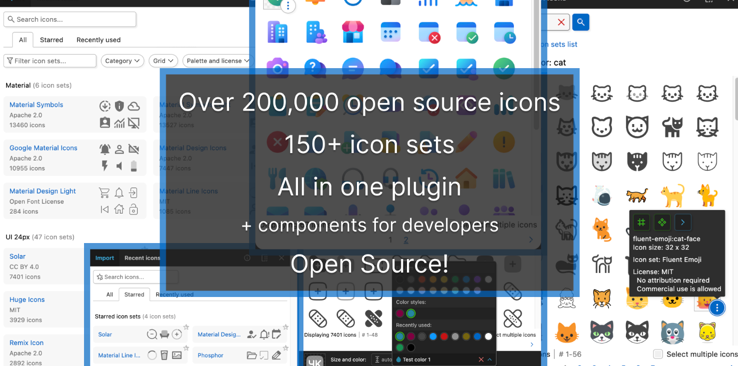
Know a tool we missed? Let us know in the comments — we’ll update this list regularly.


💡 Stay Inspired Every Day!

Follow us for a daily stream of design, creativity, and innovation.
Linkedin | Instagram | Twitter

Level-up your designs with these 11 Figma plugins

Canvs Editorial
Meaningful stories and insightful analyses on design


When you’re a designer, there’s always more to do than time allows. There’s always the small mundane tasks that take up most of the time, hindering work.

That’s where Figma plugins come in to your rescue.

Best ones aren’t about adding bells and whistles to the design. They’re uber practical and they make a noticeable difference to how quickly you can bring your idea to fruition.

We have hand-picked and rounded up a few Figma plugins that you may find useful.

1. Sparkliner:

This plugin will help you generate sleek and minimal graphs. All you have to do is drop in your data from Excel, CSV, JSON, or type it in directly, and watch it being created into a graph. You can also explore different visual patterns for your visualisation.

2. Redline:

Redline Figma plugin

When it’s time for developer hand-off, detailing measurements, specs, and redlines can take hours. But with Figma Redlines, you can simplify that entire process.

This plugin allows you to generate clean, customisable redlines in seconds, with control over styles, colours, and units. It lets you measure and annotate everything without the usual hassle.

3. Super PDF:

Super PDF Figma plugin

With Super PDF you can import, export, merge, and view PDF files directly within Figma and FigJam. You can also combine multiple frames into a single pdf and export it.

4. Clear Guides:

Clear Guides Figma plugin

You can remove all the guides from all the selected frames at once. It is useful while working on older files where a lot of guides were used.

5. Figma Sound Kit Plugin:

Figma Sound Kit plugin

This plugin will let you add standard sounds to prototypes. You can access three sound kits and 1000+ sound files.

6. Filter/effects:

Filter & Effects Figma plugin

This plugin gives you a range of 60+ effects to apply directly to your images. Select where you want to apply the effect, apply the effects, and save. You can also tweak it or reapply the effects as needed.

From essentials like brightness and contrast to more experimental effects like noise displacement and ripple, it’s designed to let you experiment while keeping the process tight.

Some of the effects you’ll find inside:

  1. Noise RGB
  2. Simplex Noise
  3. Noise Displace
  4. Fluid Destruction
  5. Ripple
  6. Gaussian Blur
  7. Lens Blur
  8. Emboss
  9. Night Vision
  10. Neon

& 50 more.

7. Stippling:

Stippling Figma plugin

You can create stippling effects on your design with this plugin. All you need to do is pick an image or frame, adjust the settings (you can play around with shape, size, spacing, brightness, and more) according to your preference, and you’re all set.

8. Copy & Rotate:

Copy & Rotate Figma plugin

As the name suggests, with this plugin you can create radial patterns by copying and rotating elements. You can easily edit every copy it generates, since it builds upon Figma components. You can choose number of copies needed, the rotation radius, and even skipping certain elements.

9. Skew:

Skew Figma plugin

This plugin lets you skew any layer or group of layers easily. Pick your layer, move the sliders to skew the layers up to ±90° in each axis, and you’ll see the changes happen in real-time.

10. Gradient Map:

Gradient Map Figma plugins

With this plugin, you can quickly generate gradient maps from any image in Figma. For that, you need to select an image, choose from a set of predefined gradients, or create your own. You can add up to 8 colours.

11. Vector Fields:

Vector Fields Figma plugins

Vector Fields plugin will let you experiment and generate patterns of your liking. You can create visually compelling patterns using dots, lines, arrows, triangles, or even custom SVGs. Just pick a frame, and the plugin automatically adjusts everything to fit.

And that’s the lot!

We love curating lists of Figma resources which can help designers do their best work.

You can check out our previous roundups here:

  1. Top 9 Figma plugins you can’t miss in 2024
  2. 12 Figma plugins you’ll need in 2025

If you find these useful, keep an eye out for more of our picks.

Experiment, find the ones that fit your workflow, and watch your work feel like a breeze.


Stay Inspired Every Day!

Follow us for a daily stream of design, creativity, and innovation.
Linkedin | Instagram | Twitter

Why Most UI/UX Designers Fail Before They Even Open Figma

Rehan Pinjari
Self-Taught UI/UX Designer & Developer


Hello there, designers! 👋 Asking the right questions before starting a new project has been a game-changer for me.

I know it’s easy to skip the chit-chat and go right into Figma, but trust me: with over 6 years of UI/UX experience, I’ve found that the right questions are the building blocks of every successful design project.

They’re like the GPS that stops you from driving off a cliff or at least into an area of endless revisions.

So take a coffee and let’s talk about why this is important, what questions to ask, and how to ask them like a pro.

I’ll even cover some stories and pro suggestions that you can use. Ready? Let’s go!

Why Most Design Projects Fail (And How to Avoid It)

Illustration of a stressed UI/UX designer, Rehan Pinjari, with 6+ years of experience, sitting at a laptop with a hand on their head, surrounded by declining charts, a rocket, and question marks, representing design project failures from the blog post ‘Asking the right questions before starting a new project.’

Over two-thirds of projects fail because no one tries to get everyone on the same page from the very start. What about the fallout? Wasted time, money delays, and confusion lead to a cooked mess.

I’ve had the experience of designing a feature only to discover that it couldn’t be built because of an unknown old system. Oof.

Here’s where questions come in handy. Asking the correct questions at the start helps to avoid unfortunate events by setting targets, sharing limits, and keeping everyone on the same page.

Do you want an idea of what I’m saying? Take an infographic titled “The Cost of Skipping Questions”: one side shows a smooth project schedule with smiling people (time and money saved), while the other shows an irregular pattern of delays and dollar signs flying out the window (chaos and rework).

Spoiler: you want the first one.

Here’s my tried-and-true checklist of pre-project questions for designers.

I’ve divided them into six main groups (plus a few more!), with detailed examples and an explanation of “why it matters” from my personal experience. Let’s go in.

1. Project Goals & Business Impact

  • What is the main business goal? (e.g., boost conversions and decrease abandonment)
  • What is the one statistic that defines success in this project?
  • Who are the important stakeholders, and what do they expect?

Why This Matters: I previously thought that the client cared more about aesthetics than their value, but talking about goals early saved me from a complete revision.

Pro tip: Ask stakeholders what are their top goals. Unresolved problems here could put at risk the project later.

2. User Research & Target Audience

  • Who is the main user group? (Age, location, behavior, and pain points.)
  • Have we done any user research or surveys?
  • What are some common feedback from consumers in this industry?

No personas? If you can do a quick user interview that would be helpful.

Pro Tip: For a recent SaaS project, asking for user personas upfront led to an onboarding flow that users loved.

3. Competitive & Market Analysis

  • Who are the top competitors, and what works well in their UX?
  • What makes this product/service stand out?
  • What 3 things do users hate about competitors’ products?
  • Should we follow industry trends or break them?

I’ve seen projects fail because no one asked about competitors, don’t sleep on this.

Explain your response! This can help set your project apart.

4. Project Scope & Deliverables

  • What specific screens, pages, or features are needed?
  • Which platforms will this design run on? (Mobile, Web, Tablet, SaaS)
  • Are there any tech stack limits or frameworks to consider?
  • What is the needed level of interaction and animation?

These questions once helped to clarify a confusing feedback loop during a tight deadline contract.

5. Content & Branding Guidelines

  • Do we have a brand style guide? (Colors, typography, imagery)
  • What type of content will be included? (Text, images, videos)
  • Is there a tone of voice to align with?
  • Who’s handling copywriting and image selection?

I continually confirm content timelines — once, a “rush job” delayed because no copy was available.

6. Development & Technical Constraints

  • What tech stack is the dev team using?
  • Are there CMS, backend, or third-party integration limits?
  • What’s the performance/load time standard?

Invite a dev to your all meetings at least once a week. I once designed a feature that couldn’t be built. đŸ€Š

Bonus 7. Post-Launch & Iteration Strategy

  • How will success be measured post-launch? (Metrics, A/B testing, Heatmaps)
  • Is there a plan to collect user feedback?
  • Will there be continued design support?

Pro Tip: Asking this shows you’re thinking long-term, it wows clients every time.

How to Ask Questions Like a Pro

Cartoon-style image of a laptop screen showing a virtual meeting with four people, question marks above them, on a purple-to-orange gradient background, illustrating collaboration challenges for Rehan Pinjari’s UI/UX design blog about pre-project questions.

It’s not only important to ask, but also how. You don’t want to sound like someone who is questioning someone suspicious, right? Here’s how to get meaningful responses without feeling awkward:

  • Collaborative Speaking: “What’s success?” vs “How can we define success together?” It is less combative and more team-oriented.
  • Timing Tips: Set goals at the very start and save limits for planning sessions.
  • Go more deeply: If they reply, “Make it user-friendly,” ask, “What does that mean for you? Do you have an example?

Building trust is the goal, not just giving answers. Do this, and you’ll be the designer everyone wants to work with.

Personal Trick: I usually ask for examples of designs they enjoy (or dislike). It’s related to a cheat code for aligning expectations.

Pro Mistakes to Avoid (Lessons from My Experience)

Illustration of a worried UI/UX designer, Rehan Pinjari, working at a desktop computer with an exclamation mark above their head, set on a green background with a plant, symbolizing design project stress from the blog post on avoiding failures.

I messed up so you didn’t have to. Here are two important ones:

Mistake #1: Assuming Stakeholders Agree on Goals

Arrange a “Goal Prioritization” voting session during the start. When the top three goals are not aligned, it serves as a warning sign.

Mistake 2: Skipping Technical Chats with Developers.

Involve a developer in discovery meetings. I once planned a feature that could not be built because of CMS limitations, resulting in a whole redesign. Yikes.

How to Scale This Process (For Agencies & Teams)

Have a team or agency? Here’s how you make this work:

  • Document everything: Set up a “Project Kickoff Hub” in Notion or Confluence to collect all answers. It’s a lifesaver for onboarding and mid-project updates.
  • Mentor juniors: Teach them to ask “Why?” five times to get to the bottom of the problem. It improves critical thinking fast.
  • Template it: Here’s an email-friendly stakeholder interview starter:
     Subject: Let’s Crush This Project- Quick Questions to Start Body: “Hi, [Name], I’m excited to get started! Could you please share your opinions on [insert 2–3 critical questions] to ensure that we are on the same page?

After 6+ years of improvement, this strategy is quite successful.

Final Words

Asking the correct questions not only avoids disasters but also helps you to do well. This approach will help you create better designs, stay on schedule with projects, and wow customers (and colleagues).

Try these on the next task and feel the difference.

Choose 5 questions from this list, apply them to your next project, and then tag me on Instagram with the results for a free design review!

Oh, and what is your must-ask question? Please share your thoughts in the comments section below; I’d appreciate hearing them!


Want even more inspiration?
Follow us on social media for your daily dose of design, innovation, and creativity right in your feed!
Linkedin | Instagram | Twitter

The Best Free & Paid Framer Website Templates for 2025


The Best Framer Templates for 2025: Handpicked for You

At Muzli, we know how overwhelming it can be to choose the right template for your website, especially with so many options out there. That’s why we’ve done the heavy lifting for you. Our team has personally reviewed and selected the top Framer templates for 2025 to ensure they meet the highest standards of design and functionality.

This curated collection showcases a variety of templates — ranging from modern and sleek layouts to professional and versatile styles — that cater to different needs and creative visions. Each template was chosen with care to help you build a website that doesn’t just look great but also performs beautifully.

A Gift for Muzli Readers
To make your design journey even better, use this code: partner25proyearly to enjoy 3 months free on an annual Pro subscription.


Skold — Minimal Agency Template

Skold is a minimal & modern Agency & Portfolio Framer Template perfectly suited for freelancers, designers, agencies or your personal portfolio.

Preview

Skold — Minimal Agency Template

.

Lyniq — Design agency website template

LYNIQ© is a professional website Framer template for design studios looking to showcase their expertise, attract clients, and scale effortlessly. Perfect for agencies that want a sleek, ready-to-use solution without coding skills.

Preview

Lyniq — Design agency website template

.

Bester — Dark SaaS Template

Bester is a sleek and modern dark-themed SaaS template designed for cutting-edge platforms. With clean layouts, responsive design, and customizable features, it’s perfect for startups and tech companies looking to impress.

Preview

Bester — Dark SaaS Template

.

ASHFORD — Photographer Portfolio

ASHFORD is a sleek, modern portfolio website template designed for photographers. Featuring customizable galleries, seamless navigation, and elegant layouts, it’s perfect for showcasing your work and attracting clients.

Preview

ASHFORD — Photographer Portfolio

.

Bent — Minimal Portfolio

Transform your personal portfolio with Bent, a stylish, minimal Portfolio Framer Template. Perfect for creatives, designers, freelancers, agencies, and design studios.

Preview

Bent — Minimal Portfolio

.

Pastel Lab — Elegant portfolio for creatives

Pastel Lab is a modern portfolio designed for artists, studios, and agencies to showcase your work. With breathtaking design, soft animations, and an elegant layout, it offers a minimalist approach that presents your work as a true piece of art.

Preview

Pastel Lab — Elegant portfolio for creatives

.

Akio — Portfolio Template

This is a playful, carefully crafted portfolio template for Framer, built using grid systems, custom code components, and stylish design elements

Preview

Akio — Portfolio Template

.

Conto — SaaS Framer Template

Conto is a modern SaaS Framer template designed for software companies, fintech startups, tech innovators, and SaaS businesses. Perfect for enterprise solutions, cloud services, AI platforms, and digital products.

Preview

Conto — SaaS Framer Template

.

Marso — Modern Agency Template

Elevate your online presence with Marso’s intuitive modern design, crafted to help your agency grow by converting visitors into loyal customers for your subscription-based services, ultimately boosting conversions and revenue.

Preview

Marso — Modern Agency Template

.

Epicfolio — Personal Portfolio Template

Epicfolio is a flexible portfolio template made for designers and developers. It’s modern, easy to customize, and works great on any device. Built with Framer, it helps you showcase your work beautifully and effectively.

Preview

Epicfolio — Personal Portfolio Template

.

Aiko — Portfolio Framer Template

Aiko is a minimal & modern Portfolio Framer Template perfectly suited for freelancers, designers, web designers, web developers, agencies or your personal portfolio.

Preview

Aiko — Portfolio Framer Template

.

Infinite — Premium Agency Template

Infinite is a clear and purposeful structured template, ideal for agencies and creatives. Offering a rich, detailed and versatile design, making it the perfect canvas to represent your studio.

Preview

Infinite — Premium Agency Template

.

MasonMount — Minimal Portfolio Template

MasonMount Template: Creativity at your fingertips. This customizable portfolio template lets you tailor your brand with stunning visuals and interactive elements to captivate your audience.

Preview

MasonMount — Minimal Portfolio Template

.

Visionary — Design Agency Template

Introducing Visionary: A polished portfolio template with bold typography and refined dark tones, meticulously designed for agencies and individuals alike.

Preview

Visionary — Design Agency Template

.

Farrok — Agency Portfolio Template

Farrok Framer Template is not just a design tool; it’s a dynamic platform for creative professionals, design agencies, and artists who want to display their talents in the most visually captivating way.

Preview

Farrok — Agency Portfolio Template

.

Jules Journey — Sleek, Minimalist Portfolio Template

JULES JOURNEY is a sleek, minimalist Portfolio Template tailor-made for AI Artists, Photographers, and Designers.

Preview

Jules Journey — Sleek, Minimalist Portfolio Template

.

Arik — Modern Portfolio Template

Arik is a minimal & modern Portfolio Framer Template perfectly suited for freelancers, designers, agencies or your personal portfolio.

Preview

Arik — Modern Portfolio Template

.

Invation Studio — Digital Design Firm Template

InvationÂź Studio is a digital design firm comprised of expert designers and developers dedicated to innovation, creativity, and excellence.

Preview

Invation Studio — Digital Design Firm Template

.

Free Templates

Kajo — Portfolio & Agency Template

Kajo is a sleek and modern agency and portfolio Framer Template, ideal for creative agencies, design studios, freelancers, or personal portfolios.

Preview

Kajo — Portfolio & Agency Template

.

Hanssen — Minimal Portfolio Template

Hanssen is a minimal Framer template tailored for personal portfolios, allowing you to display your work in both light and dark modes.

Preview

Hanssen — Minimal Portfolio Template

.

Newsbook — Personal Blog Template

Newsbook is a creative personal blog website that allows you to share stories, ideas, and opinions with the world.

Preview

Newsbook — Personal Blog Template

.

Financia — Finance SaaS Template

Meet Financia, a sleek and modern Framer template ideally tailored for Financial and SaaS websites. Financia delivers a standout, seamless user experience. Build your website quickly, in days, not weeks!

Preview

Financia — Finance SaaS Template

.

Serrena — Ecommerce Template

Serrena — an ecommerce template that caters to digital entrepreneurs and creators in the fashion realm, providing an effortless platform for showcasing and selling your trendy digital products.

Preview

Serrena — Ecommerce Template

.

Atomic — Creative Professional Website

The Atomic template is more than just a design solution; it’s a powerhouse for creative professionals, design agencies and all type of businesses seeking to showcase their prowess in the most visually stunning way.

Preview

Atomic — Creative Professional Website

.

Gordian — Premium portfolio template

Gordian is a cutting-edge Framer template tailored for designers looking to showcase their work with style and elegance.

Preview

Gordian — Premium portfolio template


Want even more inspiration?
Follow us on social media for your daily dose of design, innovation, and creativity right in your feed!
Linkedin | Instagram | Twitter

2024 Black Friday + Cyber Monday Deals for Designers

Ready to snag the best deals of the year?

This Black Friday and Cyber Monday, digital designers, creatives, and artists can score incredible savings on the tools they love and need. From graphic design software to web design assets, creative resources, and more, we’ve rounded up the ultimate list of deals to fuel your inspiration without breaking the bank. 

Stay tuned — many offers will go live closer to Black Friday & Cyber Monday, so bookmark this page and share it with your fellow creatives! Got a deal we missed? Let us know, and we’ll add it to the list.


.

Atomize — The most advanced Design System for Figma

84.75% OFF — code: BLACK9

Atomize — The most advanced Design System for Figma

.

Untitledui — The largest UI kit & design system in the world

13.5% – 28% OFF

Untitledui — The largest UI kit & design system in the world

.

Inflatable 3d alphabet vol.2

Playful set. Inflatable 3d letters. for designers and marketers.
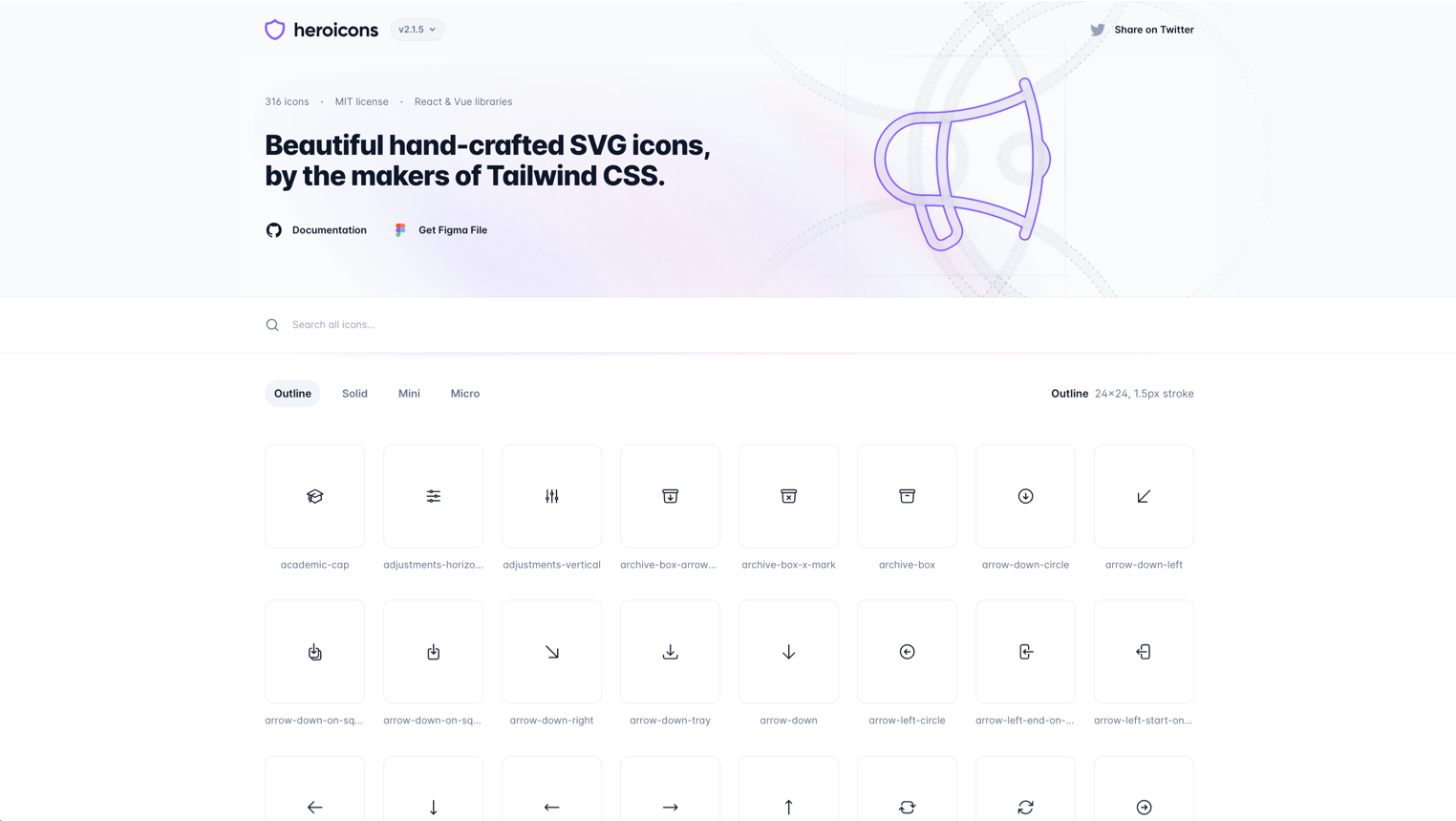
50% OFF

.

Learn UX Design at Your Own Pace | Interactive Courses | Uxcel

Accelerate your UX design career with guided, interactive learning. Learn key skills faster at your own pace in just 5 minutes a day.

62.5 OFF

.

Frameblox – Ultimate Framer UI kit; design system & components library

Frameblox is the ultimate Framer UI kit, design system, and component library. Build and launch your website faster, save countless hours, and elevate your website.

30% OFF – code: BLACKFRIDAY30

.

Designer Grade Resources

Discover high-quality mockups and design resources for your creative projects. Studio Innate offers a range of resources for your designs.

20% OFF

Designer Grade Resources

.

Css Hero — The Live WordPress Theme Editor. No code required.

CSS Hero is the definitive WordPress plugin to easily customize the look of your site, with an easy and intuitive point and click interface.

75% OFF

Css Hero — The Live WordPress Theme Editor. No code required.

.

Mall — E-Commerce Complete UI-Kit

Mall is a minimalistic-design UI Kit for E-commerce app

60% OFF — Promo code: K4MDM4NQ

Mall — E-Commerce Complete UI-Kit

.

UI8 — All-Access Pass

Boost your productivity with instant access to all 10,081 existing products and daily new releases.

20% OFF

.

UI8 — Hundreds of premium products for up to 90% off until the end of the month

90% OFF

UI8 — Hundreds of premium products for up to 90% off until the end of the month

.

Getillustrations — Get vector illustrations for Websites and applications

40% OFF

Getillustrations — Get vector illustrations for Websites and applications

.

Designmodo: Create Email Newsletter Design & Website

40% OFF

Designmodo: Create Email Newsletter Design & Website

.

Pixpa— Create Your Awesome Portfolio Website

Create stunning websites, portfolios, stores, and blogs — all in one place. Save time & money!

55% OFF — code: BLFPIXPA5

.

Claritee — Speed through the planning phase of website design with AI-powered sitemaps and wireframes

60% OFF

Claritee: Visual ideation tool for planning digital assets and design projects

.

Envato — Unlimited creative assets, all in one place.

30% OFF

Envato — Unlimited creative assets, all in one place.

.

Craftwork : UX/UI kits, illustrations, mockups, fonts and more 

50% OFF

Craftwork : UX/UI kits, illustrations, mockups, fonts and more 

.

Glorify — Online Graphic Design Tool for E-com Business Owners — Black Friday Lifetime Deal 

78% – 89% OFF

Glorify — Online Graphic Design Tool for E-com Business Owners — Black Friday Lifetime Deal 

.

Landingi — No-code Landing Page Platform for Data-Driven Digital Marketers

29% – 36% OFF

Landingi — No-code Landing Page Platform for Data-Driven Digital Marketers

.

whiteui.store — High-quality UI kits and design resources

50% OFF

whiteui.store — High-quality UI kits and design resources

.

Designerup — Product Design (UX/UI) Course

Become the product designer you are meant to be with UX/UI courses, resources and community for mindful designers

Coupon Code: BF24–20% OFF

Designerup — Product Design (UX/UI) Course

.

Visme: AI Presentation maker, Infographics, and One pager templates

25% OFF

Visme: AI Presentation maker, Infographics, and One pager templates

.

UENI —  Stunning websites for your small businesses.

67% OFF

UENI —  Stunning websites for your small businesses.

.

Packhelp — Custom packaging designed to fit your business

50% OFF

Packhelp — Custom packaging designed to fit your business

.

Illustrated Line Hands Pack

A vector pack with 22 hand-illustrated hand gestures in a fineline tattoo style. There are 22 common and quirky gestures in this pack, you’ll find something perfect for your unique designs.

20% OFF

Illustrated Line Hands Pack

.

Belmonte Ballpoint

This versatile typeface features two styles: print and cursive, allowing designers to add both structured and flowing handwritten elements to their projects.

20% OFF

Belmonte Ballpoint

.

Lil’ Sketchies

Lil’ Sketchies is a scribbly illustration pack featuring 227 textured sketches of objects, nature, shapes and social icons.

20% OFF

Lil’ Sketchies

.

Messy Font Bundle 

What you’ll get in the Messy Font Bundle: — 5 messy handwriting fonts and up to 25% off (for desktop + web bundle) — Manic Erratic Handwriting Font — Ugly Dave Yuck Font — Infamous Unruly Font — Sad Poem Font — Wasted Year Font

20% OFF

Messy Font Bundle 

.

Channelwill: Trusted Shopify Experts for eCommerce Solutions

Boost your BFCM sales with our powerful apps to enhance conversions and customer loyalty. Get 50% off and start your 14-day free trial now!

50% OFF

Channelwill: Trusted Shopify Experts for eCommerce Solutions

.

icons8 , Original stock graphics by our team, plus design apps and AI tools

20% Off

icons8 , Original stock graphics by our team, plus design apps and AI tools

.

ProtoPie’s — #1 advanced prototyping tool for dynamic & multimodal interactions

up to 40% OFF – code:PRO40

ProtoPie’s — #1 advanced prototyping tool for dynamic & multimodal interactions

.

More Black Friday & Cyber Monday Deal Coming soon

Please share the love with your fellow designers!

Copy and paste the below to share:

2024 Black Friday & Cyber Monday deals for graphic and web designers! https://muz.li/blog/2024-black-friday-cyber-monday-deals-for-designers #BlackFriday #CyberMonday via @usemuzli


Want even more inspiration?
Follow us on social media for your daily dose of design, innovation, and creativity right in your feed!
Linkedin | Instagram | Twitter

12 Figma plugins you’ll need in 2025


Canvs Editorial
Meaningful stories and insightful analyses on design


As a team of product designers, Figma and Figma plugins are the bread and butter of our day-to-day.

They save time, help take care of the mundane tasks, and add value where it counts. And, with so many plugins out there, it’s hard to know which ones are worth it.

We’ve pulled together a few that we actually use and are central to our workflow. These resources have made our work faster and easier, and there’s a good chance they can do the same for you.

Here’s a list of few:


1. Aidentic

Aidentic

Aidentic is an AI design assistant that helps make your interfaces more usable.

It looks over your mockups and suggests tweaks for things like text, images, fonts, and colors. What’s great is you can apply the changes you like straight to your design with a single click.


2. Slide UI

Slide UI

Slide UI is a massive UI/UX block database with over 10,000 ready-to-use blocks that help speed up your design process.

Instead of starting from scratch, you can simply search for the blocks you need — like a nav bar or a hero section — drag them onto your artboard, and customize them to fit your style.

It’s faster than building components and more flexible than using full templates, giving you the best of both worlds.


3. Figma resources by Vijay Verma

Figma resources by Vijay Verma

Vijay Verma’s collection of Figma resources is a must-see for designers looking to level up their workflow. It has some thoughtfully crafted plugins that solve real design challenge. Whether you need to organise, optimise, or add polish, there’s something here to make your work easier.


4. Inima

Inima

Inima lets you turn your Figma prototypes into animated files like GIFs, APNGs, or keyframes. It offers more animation control than Figma’s ‘smart animate.’

Just set up your prototype, hit “render” in the plugin, and download the animation in your preferred format. Simple and effective for adding motion to your designs.


5. Web to Figma

Web to Figma

Web to Figma allows you to import full webpages or specific components straight into Figma. Use the plugin to grab a webpage by entering a URL, or the Chrome extension to capture elements from any site. It’s great for creating moodboards, collecting design inspiration, or collaborating with developers by comparing live sites to your designs.


6. Google fonts

Google fonts

The Google Fonts plugin makes it easy to browse and add fonts directly to your Figma text nodes. You can quickly explore the full range of Google Fonts and save your favorites, with all variants available for instant use.


7. Ghost UX Writer by Zeta

Ghost UX Writer by Zeta

Ghost UXWriter is a plugin from Zeta designed to simplify UX copywriting for designers, writers, and developers. It lets you quickly insert or copy pre-written UX copy directly into your designs, with options to adjust tone — from plain to playful.

8. Random Picker

Random Picker

Random Picker is a versatile Figma plugin that allows you to randomly select a specified percentage of layers or objects within your design. The plugin will instantly highlight the randomly selected layers.

9. Stark — Contrast & accessibility checker

Stark — Contrast & accessibility checker

Stark Suite is an all-in-one tool that makes accessibility easier for designers and developers. It has features like contrast checking, alt-text suggestions, vision simulator (for people with different kinds of vision), and typography analysis.
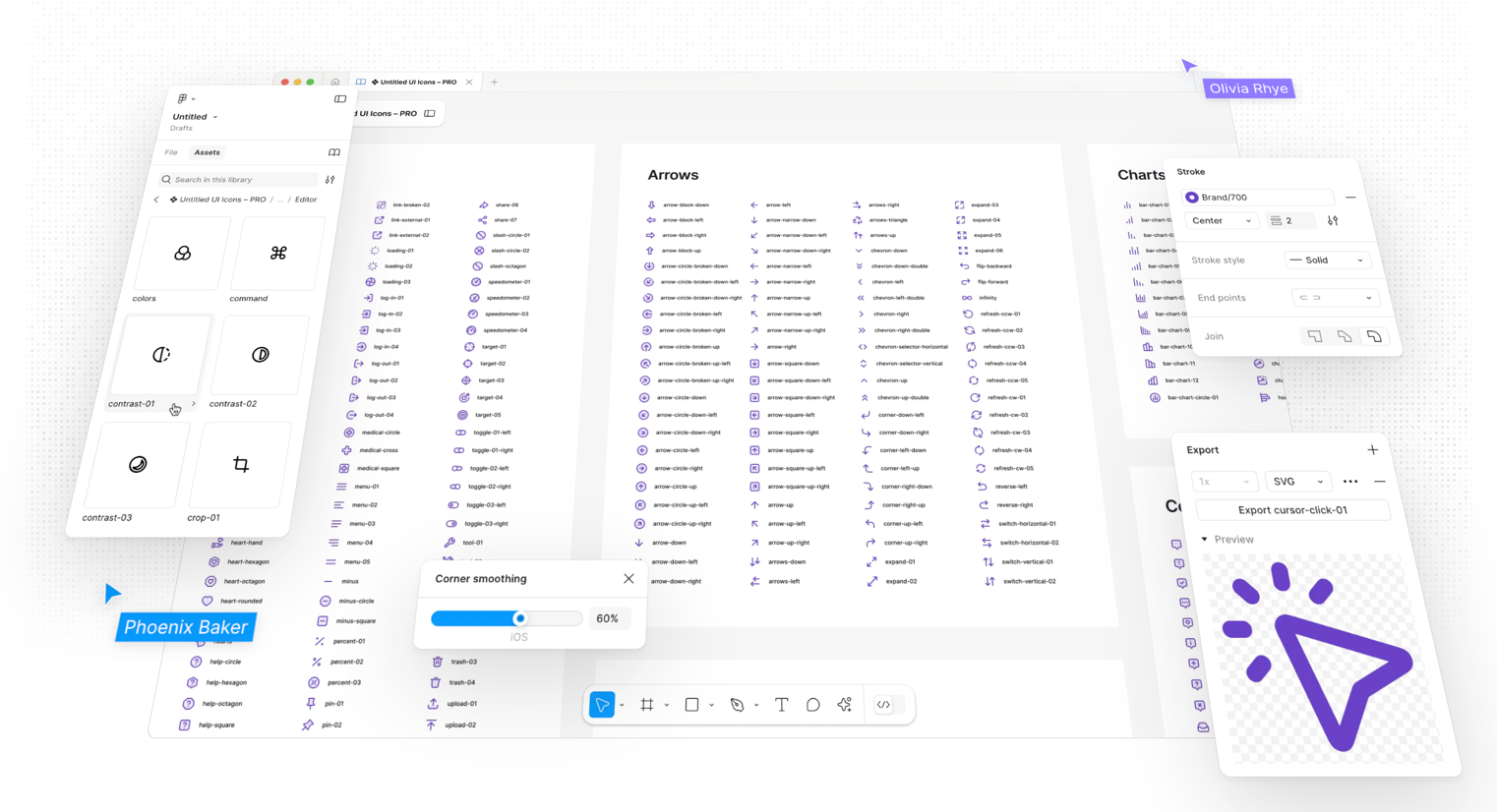
It’ll help you catch and fix accessibility issues before they become problems.


10. Style Replacer

Style Replacer

Find and replace a style with another in your components.

Style Replacer will help you quickly replace a style with another in your components. Instead of manually updating each instance, it allows you to replace styles efficiently and consistently.


11. Similayer

Similayer

Similayer enhances Figma’s â€˜Select all with
’ feature by giving you more control. It lets you select layers based on a range of properties, making it easy to fine-tune your selection process. You can even select within multiple layers to narrow down elements by specific values, streamlining tasks that would otherwise take time.


12. Overlord

Overlord

Overlord makes it easy to transfer vector shapes from Figma to Adobe After Effects with just one click. It’s a handy tool for anyone working on motion graphics, helping you skip the hassle of exporting files.

Check out these 2 articles for more Figma plugins:

  1. 7 helpful Figma resources you need as a designer (Jan — April 2024)
  2. Top 9 Figma plugins you can’t miss in 2024

Designing smarter, not harder

This is just the start — there are plenty more tools out there to help you design smarter. Keep exploring and testing new ones to see what fits your workflow best. And make sure to try out the plugins we’ve highlighted — you might find something that really changes the game for you.


Want even more inspiration?


Follow us on social media for your daily dose of design, innovation, and creativity right in your feed!Linkedin | Instagram | Twitter

5 professional, free & paid Figma Design Systems, 2024-2025

A Design System is an invaluable resource for designers, serving as a single source of truth that ensures consistency, efficiency, and scalability throughout the design process.

By providing a comprehensive library of reusable components, guidelines, and patterns, it streamlines collaboration across teams, eliminates redundant work, and fosters a unified visual language across projects. Designers can focus more on solving complex problems and crafting user-centric experiences rather than reinventing basic elements for every project.

Additionally, a well-maintained Design System bridges the gap between design and development, making implementation smoother and reducing the risk of inconsistencies. It’s not just a tool—it’s a foundation that empowers designers to work faster and smarter while delivering cohesive, high-quality products.

Untitled UI / $129

Untitled UI is the largest UI kit and design system for Figma in the world.

Untitled UI has been a staple in the market for years, earning its reputation as one of the most popular UI kits and design systems for Figma.

It provides everything needed for any design project, from simple websites to complex web applications, all in one comprehensive package.

Staying true to traditional component creation, Untitled UI is expertly built with 100% Auto Layout 5.0, intelligent variants, Figma’s latest variables features, and a strong emphasis on accessibility. Boasting over 10,000 components and variants, 900+ global styles for colors, typography, and effects, and an impressive library of 420+ beautifully designed mobile and desktop page examples, it stands out as one of the most extensive and versatile UI kits available.


Detachless / Free

The Detachless UI Kit for Figma is an excellent free resource designed to simplify and speed up web design. It offers a wide range of components and styles to help you craft stunning designs with minimal effort.

Detachless allows you to kickstart your web projects effortlessly, providing all the essential tools for a seamless and cohesive design workflow. It’s a valuable asset for any designer looking to enhance their efficiency and unleash their creativity in Figma.

Get Detachless here


Frames X / $77

Created by Dmitriy Bunin in late 2021, Frames X is a standout example of a mid-weight design system for Figma.

Frames X includes over 5,500 reusable components and variants, all built with Auto Layout and supporting dark mode. It also features color styles, icons, and more than 420 “building blocks” to kickstart your website and app designs.

Get Frames X here


Keep / $99

Keep is a streamlined design system that stands out by offering seamless integration for both Figma and React, bridging the gap between design and development. Unlike traditional design systems that often focus solely on design tools, Keep provides a cohesive framework that ensures consistency across design and code.

With its dual compatibility, designers can effortlessly prototype and refine their ideas in Figma, while developers can implement those designs with precision using React components. This end-to-end solution not only accelerates the workflow but also reduces the risk of misalignment between design and implementation, making Keep an essential resource for teams aiming for efficiency and collaboration.

Get Keep here


Atomize / Free & $59

Used by over 12,000 designers and teams from companies like Thoughtworks, Blurb, Latch, and more, Atomize empowers designers to create modern and visually appealing user interfaces and websites, while eliminating tedious tasks.

Get Atomize here


Bonus- All-In-One

All-Access Pass to UI8.
Instant access to all 10,006 existing products and daily new releases.
Unlock $270,453 worth of assets including UI Kits, fonts, Design Systems, mockups, icons, illustrations, themes & templates.

Get All-Access Pass Here


Want even more inspiration?
Follow us on social media for your daily dose of design, innovation, and creativity right in your feed!
Linkedin | Instagram | Twitter

Top 9 Figma plugins you can’t miss in 2024

Canvs Editorial
Meaningful stories and insightful analyses on design

As a designer, having the right tools can make a big difference in your workflow.

This quarter, we’ve picked out 9 of the best plugins that stood out to us, and which will make you an efficient designer in 2024.

Each one offers something useful, from simplifying work or handling mundane tasks.

These plugins are easy to integrate into your workflow and can help you be more productive.

Whether you’re an experienced designer or just starting out, these new plugins are definitely worth a look.

Let’s get into it.

1. Vector to 3D

Vector to 3D tools

Vector to 3D converts your 2D text and vector layers into 3D models with just one click, using a powerful built-in ray tracing renderer.

Create stunning 3D icons, banners, mockups without needing to be a 3D specialist.

2. AI Design Reviewer- Copy, UI, Accessibility & CTA Feedback

AI Design Reviewer


Built by the creators of Siri, the AI Design Reviewer is trained on hundreds of guidelines from Nielsen Norman, Refactoring UI, and IDEO.

It’ll provide instant feedback and suggestions to enhance your web designs, improve your copy with tailored suggestions, catch and fix UI bugs quickly. It’ll also ensure your designs meet WCAG, AA, and AAA accessibility standards.

3. Cassini Copilot

Cassini is a collaborative toolkit

Cassini is a collaborative toolkit for product teams that seamlessly integrates into your existing setup — whether it’s your browser or Figma workspace — making various stages of the product development process smoother and more organized. Here are a few key ways in which it helps:

  • Dev feedback — Cassini’s overlay tool helps you compare developed screens with their designs, so you can catch and fix any inconsistencies.
  • Visual referencing — Using Cassini’s Chrome plugin, you can snap screenshots of references from the web, group them into Sets, and share them easily with your team for feedback.
  • Team reviews — Cassini streamlines team reviews with features like comment grouping, multi-pin comments, and setting due dates for action items, making discussions productive and efficient.

4. Circular Text

Circular text plugin.

Easily generate both circular and arc text in your designs with the Circular text plugin.

By default, the text wraps around a full circle. However, you can adjust the settings to create text that follows an arc of any angle (like 90 or 180 degrees).

5. Noise & Texture

Noise & Texture plugin

Noise & Texture plugin lets you dynamically create seamless tiled noise, textures, patterns, gradients, and more.

Simply select a layer, apply your chosen noise or texture, and adjust the settings to see live updates. You can also customise your canvas size and default colors to fit your design needs.

6. Instance Finder

Instance Finder 

Instance Finder helps you locate all instances of a component used in your file.

Select a single instance or component, and the plugin will search through all pages and frames. It’ll create a comprehensive list of where the component is used.

The list is organised by page for easy navigation, and clicking on any item will zoom in on that specific instance.

7. Animate on path

Animate on path is a powerful plugin with which you can select the object you want to move, such as a frame, instance, or shape.

Next, choose the curve you want the object to follow. You can create curves using the pen tool.

8. Design system organizer

Design system organizer 

Design system organizer lets you bulk swap instances and styles between master components with the same name.

You can also copy styles between different files.

Manage pathnames, like “toolbar/nav/back,” using a convenient folder-like interface.

9. Find and replace styles

Find and replace styles plugin is ideal for finding and replacing styles across components, instances, and library styles. It’s especially useful for aligning parameters in bulk, such as auto layout or library styles, ensuring your designs are pixel-perfect across projects.

Making the most of Figma

These Figma plugins are designed to make a real impact on your design process.

As you try these out, you’ll find ways to work more efficiently and add some fresh touches to your designs. See how each one fits into your process and enjoy the benefits they bring.

Canvs Editorial regularly brings you insightful reads on design and anything related. Check out the work we do at Canvs Club.

The Canvs Editorial team comprises of Editorial Writer and Researcher — Paridhi Agrawal, the Editor’s Desk- Aalhad Joshi, and Content Operations- Abin Rajan. Follow Canvs on Instagram for more design-related content.

While you are here, do check out Cassini, a quick and easy way to review designs, websites and collect screenshots, all in one place.


Want even more inspiration?
Follow Muzli on social media for your daily dose of design, innovation, and creativity right in your feed!
Linkedin | Instagram | Twitter

Work Smarter, Not Harder: Must-Have Web Design Tools for 2024

In the dynamic field of web design, staying updated with the latest tools can significantly enhance your workflow and creativity. Here are some trending tools that every web designer should try:


Wix Studio

Wix Studio is a flexible, end-to-end platform for agencies and enterprises. The platform offers bespoke and scalable web creation services. You will find advanced design capabilities, built-in AI tools, custom dev opportunities, native business solutions and multi-project workspaces designed to boost your team’s productivity.


Framer

Framer is a no-code website builder that feels like a design tool but outputs fully functional websites. It empowers designers to create fully functional websites with Effects, a CMS, and even Localization.


AI Color Combination Generator

An AI-powered tool for generating beautiful color combinations. 


Readymag

Readymag is a browser-based design tool that helps create outstanding websites, portfolios and online presentations without coding.


Unicorn Studio

Elevate your web design with enchanting WebGL effects, motion, and interactivity — in minutes, not hours.


Maze

A rapid testing platform for product and user research.


Spline

a free 3D design software with real-time collaboration to create web interactive experiences in the browser. Easy 3d modeling, animation, textures, and more.


Musho.ai

With a simple prompt, Musho gets your design 80% of the way, so you have time to obsess over the final little details.


Rive

Rive lets you create interactive, real-time animations for apps, websites, and games.


LottieFiles

A platform for discovering, creating, and sharing animations for web and mobile.


Iconscout

A design resource platform that offers millions of high-quality icons, illustrations, and 3D assets.


Whimsical

An online tool for creating flowcharts, wireframes, mind maps, and sticky notes.


Penpot

An open-source design and prototyping platform that supports cross-functional teams.


Animoto

A video creation tool designed for making engaging marketing videos.


Blisk

A developer-oriented browser that boosts productivity and quality of work.


Froont

A web-based design tool for creating responsive websites visually.


Lummi

Lummi.ai provides free, AI-generated stock photos for all your creative projects.


RelayThat

A design automation tool that helps create consistent branding assets quickly.


Zyro

A website builder that uses AI tools to simplify the design process. 


Hemingway Editor

A writing tool that helps create clear and concise copy for your designs. 


lumalabs

Dream Machine is an AI model that makes high quality, realistic videos fast from text and images.


HyperHuman — Rodin & ChatAvatar

Rodin and ChatAvatar by DeemosTech generate advanced, hyper-realistic 3D assets from text or images.


Muzli Recap: Highlights from Figma Config 2024

An Electric Atmosphere of Innovation and Anticipation

Figma is an increasingly dominant player in the design world. This fact made 2024’s Figma Config one of the key events for the design community this year.

The Moscone Center in San Francisco was filled with eager designers and tech enthusiasts. But beneath the excitement, there was also a sense of caution — is Figma going to announce something that will completely transform the design landscape?

As expected, AI became one of the most popular topics of the conference. Figma promised groundbreaking innovations to reshape the way we work and collaborate. But can they deliver? Or are they just riding the hype wave?

We’ve been closely watching this year’s conference, so let’s dive into the full list of features and updates that were unveiled


Figma AI: Think Bigger and Build Faster

One of the biggest highlights was Figma AI, which brings intelligent design suggestions directly into the workflow. AI-powered tools offer layout recommendations, automatic adjustments for spacing and alignment, and color palette suggestions. These features not only speed up the design process but also enhance creativity by providing designers with new ideas. Additionally, efficiency updates automate tedious tasks like generating realistic images and copy, rewriting text, and automatically wiring up prototypes.

Figma AI includes visual search capabilities to easily find components and assets. This feature allows designers to quickly locate and utilize existing design elements, streamlining the workflow and improving efficiency.

AI-Powered Text and Image Tools

Figma AI now includes tools for generating realistic images and rewriting text with just a few clicks. These AI-powered features enable designers to create high-quality visual content and compelling copy effortlessly. The tools analyze the context of the design and suggest relevant images and text improvements, enhancing both speed and creativity in the design process.

Quick-Click Prototyping

Quick-Click Prototyping streamlines the creation of interactive prototypes. This new feature allows designers to convert static designs into clickable prototypes in seconds. By selecting elements and choosing interaction types, designers can quickly set up navigation flows and test user experiences without extensive setup.

and the feature we’ve all been waiting for 😁

Automatic Layer Renaming

To improve organization and clarity, Figma now includes Automatic Layer Renaming. This feature uses AI to rename layers based on their content and context within the design. It eliminates the need for manual renaming, ensuring that files are always tidy and easy to navigate, especially in complex projects.

Generate Designs from Text Prompts

A groundbreaking feature introduced is the ability to generate designs from text prompts. By describing the desired design in natural language, Figma AI can create initial layouts, components, and styles. This feature empowers designers to quickly iterate on ideas and explore new concepts without starting from scratch.

UI3: Figma, Redesigned

The redesigned interface, UI3, is more than just a facelift. It aims to make navigation more intuitive and workflows more streamlined. The revamped file browser now includes global search and notifications, helping users find what they need faster and stay updated on project changes. The new interface focuses on components, making it easier to access and manage design elements.

Figma Slides: Build, Collaborate, and Present

Figma Slides is a new tool designed to change how we create presentations. It combines Figma’s collaborative features with the functionality needed to build compelling slide decks. With Figma Slides, teams can collaborate in real-time, incorporate live designs, and use a zoomed-out grid view to manage slide layouts.

Updates to Dev Mode: From Design Ready to Dev Complete

Dev Mode was a major focus at the conference, with updates designed to bridge the gap between designers and developers. New features include the Ready for Dev View, which helps developers find what they need among multiple design explorations, and Focus View, which allows developers to see only what is ready to build. Additionally, Code Connect surfaces design system code and makes it more useful across various frameworks and programming languages. These updates ensure that design and code are more closely aligned, making the handoff process smoother and more efficient.

Enhanced Prototyping Capabilities

Prototyping in Figma has reached new heights with the introduction of micro-interactions and advanced animation effects. These features allow for the creation of more interactive and realistic prototypes. The improved device preview options let designers test their prototypes on various devices and screen sizes directly within Figma, ensuring a seamless user experience. Conditional logic support enables the creation of sophisticated user flows that accurately simulate real-world interactions.

What do we at Muzli think about the new updates?

Without a doubt, Figma Config 2024 was a landmark event, showcasing innovations that could fundamentally change the design process. We at Muzli were happy to see the advanced collaboration tools, the cool AI features, and the improvements in prototyping and accessibility. Even Figma Slides sounds like a fun and long-overdue replacement for Powerpoint or Canva.

This event establishes Figma as an even stronger player that will be really hard for competitors to catch.
BUT we have to pause and ask ourselves — is all this too good to be true? Will they be able to deliver on these promises? And on a more philosophical note — is this AI going to make us more efficient design machines and take away all the fun and creativity? What new challenges will we need to tackle?

All this and more, in the next episode 😄
Special reporter Eyal, out.

You can watch all the announcements here:

Config 2024: Figma product launch keynote


Want even more inspiration?
Follow Muzli on social media for your daily dose of design, innovation, and creativity right in your feed!
Linkedin | Instagram | Twitter

7 easy tips for creating website design for a small business

Usually, when we talk about website design at Muzli, we dive deep into details and discuss grand ideas like user design process, research, wireframing, content strategy, testing, and so on. But when it comes to website design for a small business, reality hits and the scope changes a bit. As budget and time limitations become very important factors, the brief becomes very simple: the company simply needs a nice website to inform our customers about what they do.

Today, we are going to take off our smart hats and focus on helping you make the website design process for small businesses as efficient as possible. Even if it means cutting a few corners here and there, the result can still be great.

1. Mindset: creating a perfect website is harder than you think

First of all, you should manage your expectations to prevent future disappointment. Even though it might not look like much to an untrained eye, creating a high-quality website is a long process that requires a lot of experience from at least a few professionals. People spend years studying best practices in design, development, and copywriting for a reason.

Forget the shiny webs of big corporations for a second. If you do not have an experienced team behind you or enough budget to hire one, you should focus on getting the optimal result — a solid ‘good enough’ website for your small business.

2. Make sure you start with the website content, not design

Once the mindset is intact, you should focus on creating content for your website. Often, less experienced small business owners who build their first website make this mistake: they focus on design first and only then on the content to ‘fill in the gaps.’ What you want to say and show should dictate how it’s going to be represented on the website, not the other way around.

3. Get the most of modern website builders

Website builders have become increasingly popular over the past decade. While at first business owners were sceptical about them, powerhouses such as Wix and Squarespace have seriously improved their game and now offer professional-looking websites for small business owners at a fraction of the price. They offer an all-in-one solution that not only deals with website design but also includes domains and hosting.

WIX Studio

4. Use the template that fits your business the best

All of the popular website builders offer many templates for most popular business areas. Car repair shop? Sure. Small bakery? Easy. Barbershop? They’ve got you covered! Try to find the template that is closest to your business area. Even though there are no perfect templates in the world, chances are that this way the structure and theme of the website will be closest to yours and will need the fewest changes.

5. Focus your effort on essential pages first

When a small business deals with limitations, prioritization becomes a crucial skill. It’s the same with websites. Start with the most important pages like Home, About, Contact, and Services or Products. Additional pages can be added later. The same applies to design elements. By keeping the design simple and functional, you will reduce the time spent on visual elements.

6. Use stock resources for images, icons and other visual elements

While it would be beneficial to have real photos of your business — showing real faces of real people is super valuable for small businesses — you can do without them. Use resources from sites like Adobe Stock or Shutterstock to buy and quickly add visuals to your site. Additionally, you can explore websites like Unsplash or Pexels, where the pictures are free to use. The same can be done for forms, buttons, and other UI elements.

https://unsplash.com

7. Outsource website creation tasks to focus on your business

Even though most website builders focus on simple drag-and-drop editing and most users can do it themselves, certain skills are still needed. And some good taste! If you are generally tech-savvy, creating a company website yourself should be no problem. If not, consider outsourcing it to professionals and focusing on what you know best — developing your business.

Is it hard to create a website for a small business?

While there’s value in creating large and complex websites for big companies, small businesses might not always require it, especially if the website itself doesn’t generate value. If it’s merely a place to showcase your previous work and provide potential clients with your contact information, a simple website could be completed in a day or two. We hope we’ve demonstrated that it can be done easily and effortlessly.

By following these tips, you can significantly reduce the time required to get a functional website up and running. You can spend picking right fonts or colors for your website. But don’t forget that focus is the key: create essential features first, and then iterate and improve the site as needed.

This approach will allow you to create your first MVP (minimum viable product). Afterward, you’ll officially be able to brag to your friends that you’re a web designer. Best of luck!


Want even more inspiration?
Follow Muzli on social media for your daily dose of design, innovation, and creativity right in your feed!
Linkedin | Instagram | Twitter

The Rise and Fall of Design Platforms

Hey there, design enthusiasts.

Do you remember the first time you booted up a graphic editor (Paint doesn’t count!)? For me, it was Photoshop 5.0 (or was it 4.0?) on my old rattling 233 MHz Pentium II when I was around 16 years old. I’ll never forget that magical moment when I realized the power I had at my fingertips. It felt like discovering the One Ring and being unable to let go (my precious).

I didn’t leave my room for 8 hours. I still remember the masterpiece I created — it was a portrait of a good friend that I transformed, making him look like the face of Rocky after a fight with Apollo Creed. No tutorials or guidance — just trial and error. And it looked amazing!

The field of design has come a long way since then. Today, that old Pentium II wouldn’t be able to handle a single Chrome tab, and Photoshop has stopped counting its versions a long time ago. Loads of great new tools have come up, shaping the way we design today.

Let’s take a walk down memory lane and remember the legendary tools, companies, and sources that have cemented their place in the Design Hall of Fame. There’s a lot of fallen giants too.

Buckle up, we’re about to take a nostalgic ride.

Adobe: The Pioneers and Their Lasting Legacy

Some tools have withstood the test of time and continue to be integral to the design process. Adobe Photoshop, launched in 1988, revolutionized the way we edit images and create graphics. Its versatility and powerful features have made it a staple for designers worldwide. Similarly, Adobe Illustrator, released in 1987, has been the go-to tool for vector graphics, allowing designers to create scalable artwork with precision.


Flash: The Animation Trailblazer

No trip down memory lane would be complete without mentioning Adobe Flash. Launched in 1996, Flash became the go-to tool for creating animations and interactive content on the web. It brought a whole new level of creativity to websites and was beloved by designers for its ability to make the web more dynamic and engaging. However, Flash’s reliance on plugins and its vulnerability to security issues led to its decline. By the late 2010s, HTML5 and other technologies had taken over, and Flash was officially discontinued in 2020.

https://community.adobe.com/t5/animate-discussions/retrieving-my-old-adobe-flash-cs6-file/td-p/11278603


The Game Changers

As the internet became more prevalent, new platforms emerged, offering innovative ways for designers to showcase their work and connect with others. Behance and Dribbble quickly became the social networks for designers, providing spaces to share portfolios, discover trends, and find inspiration. These platforms have not only stood the test of time but have also evolved, adapting to the changing needs of the design community.


The Rise of Specialized Tools

The 2000s and 2010s saw a surge in specialized design tools tailored to specific aspects of the design process. Sketch, launched in 2010, became the darling of UI/UX designers with its intuitive interface and powerful features. Meanwhile, InVision introduced a collaborative approach to prototyping, making it easier for teams to work together seamlessly.


Fallen Giants: The Platforms That Couldn’t Keep Up

Now that we’ve set the stage, let’s dive into the stories of some design platforms that were once the kings and queens of the design world but have since either shut down or faded into the background.


Forrst: The Community Treehouse

Forrst was the place to be for designers and developers back in 2010. Imagine a cozy treehouse where you could share your work, get feedback, and connect with other creatives. But as time went on, Forrst struggled to grow and monetize. In 2013, it was bought by Colourlovers and eventually shut down. The rise of competitors like Dribbble didn’t help its cause either.


Designer News and Sidebar.io: Gone but Not Forgotten

Designer News and Sidebar.io were your daily stops for the latest design trends and inspiration. Designer News was like Reddit for designers, while Sidebar.io gave you a daily dose of curated links. Both platforms struggled with keeping users engaged and making money. With social media and other content aggregators taking over, these platforms couldn’t keep up and recently shut their doors, leaving many designers searching for new sources of inspiration.


InVision: From Star to Struggler

Remember when InVision was the go-to tool for prototyping and collaboration? It was the darling of the design field. But with the announcement that it will discontinue its design collaboration services by the end of 2024, following the acquisition of Freehand by Miro, things have changed. The rapid rise of more integrated tools like Figma has pushed InVision to the sidelines. However, not all is lost! InVision had a shining moment when they acquired us, Muzli. To the delight of over 750,000 designers, they put us on a lifeboat and set us free just before the ship started to sink. Talk about a heroic rescue!


Sketch: Once a Giant, Now a Memory

Sketch took the design field by storm when it launched in 2010. It was the top choice for UI/UX designers. But being exclusive to macOS and slower to innovate compared to its competitors led to its decline. Figma’s cross-platform capabilities and superior collaboration features have wooed many Sketch users away. While Sketch is still around, its presence in the design community isn’t what it used to be.


Adobe Photoshop: The Veteran Adapts

Adobe Photoshop has been the go-to tool for designers for decades. But even this veteran has seen a shift. Photoshop, once used for all types of design work, is now more focused on photo editing and graphic design. Tools like Adobe XD, Figma, and Sketch have taken over the web and UI/UX design spaces. This shift is due to the specific features these newer tools offer, catering to modern web and app design needs.

Why Did These Platforms Fall?

  • Inability to Adapt: These platforms couldn’t keep up with the rapidly changing design landscape. For example, Forrst couldn’t innovate fast enough, and Sketch’s macOS exclusivity limited its user base.
  • Competition: Newer, shinier tools with better features and user experiences emerged. Figma’s real-time collaboration and cross-platform support made it a preferred choice over Sketch and InVision.
  • Monetization Challenges: Platforms like Designer News and Sidebar.io couldn’t figure out how to make enough money to stay afloat.

Should Other Tools Be Worried?

The design field is always evolving, and even the current favorites need to stay on their toes. Tools like Adobe XD, Axure, and Webflow need to keep innovating and adapting to user needs. Webflow, with its powerful web design capabilities, faces stiff competition from other no-code and low-code platforms, so it needs to ensure it continues to evolve and meet the demands of modern web designers. Dribbble, while still popular, needs to ensure it evolves with the changing landscape of designer portfolios and community interaction to avoid a similar fate.

Muzli: Here to Stay

In a world where many beloved platforms have closed their doors, we’re here to assure you that Muzli isn’t going anywhere. We’re committed to bringing you daily design inspiration, the latest trends, and all the resources you need to keep your creativity flowing. So, designers, don’t worry! Muzli is here for the long haul and will remain your creative home for many years to come.

Stay inspired, stay creative, and remember — Muzli’s got your back!


Want even more inspiration?
Follow Muzli on social media for your daily dose of design, innovation, and creativity right in your feed!
Linkedin | Instagram | Twitter

Advanced Figma tips and tricks to save designers time

Article by Spaceberry – UI/UX Design Studio
Advanced Figma features can save designers hours of work. If you’re still dragging your cursor to the top corner of the screen to create sections or manually locking layers one by one, this article is definitely for you. We’ve compiled new Figma functionalities and old methods — perhaps you’ve missed something?
Multi-edit variants

Figma has just launched a new multi-edit feature for variants, making component editing a breeze. Just pick a variant or a nested layer and use Multi-edit variants in the toolbar, or press Q on your keyboard (remember not to press cmd+Q on Mac!). In multi-edit mode, changes to one variant, like text, icons, or size adjustments, automatically update all variants in the component group.

Select matching objects

Editing matching objects in a section is now as easy as editing components! Just select an object within a frame or group at the top level of the canvas or inside a section. Then, click “Select matching layers” in the top toolbar or use the shortcut: ⌄ Option + ⌘ Cmd + A for Mac; Alt + Ctrl + A for Windows. All selected objects will be surrounded by a blue bounding box, allowing you to edit them collectively.
💡 Tip: You can preview matching objects before selecting them by pressing Shift while selecting one element. Additionally, you can manually select them while holding Shift, eliminating the need to double-click deeply nested objects within groups or frames.
Hold and slide to hide or lock layers

It turns out, that to lock/unlock multiple layers, you don’t have to click on each one individually. We can lock one layer and then drag it with the mouse key held down across the layers list to apply this action to other layers. It’s also working for hiding layers.

Copy and paste properties between layers

You can easily copy fill, stroke, and text properties between layers using the right-click menu or keyboard shortcuts.

    • On Mac: Copy properties — ⌄ Option + ⌘ Cmd + C; Paste properties — ⌄ Option + ⌘ Cmd + V.
    • On Windows: Copy properties — Ctrl + Alt + C; Paste properties — Ctrl + Alt + V.

💡 Tip: You can copy only the fill property if it’s not a style or variable. Simply left-click on the fill property and then use cmd+c/cmd+v on Mac or ctrl+c/ctrl+v on Windows to paste it onto the selected layer.

Rename layers in bulk

Correctly naming layers is crucial for quickly identifying their purpose and locating specific objects or groups within a Figma file, especially when collaborating with other designers. Aligning layer names with actual code can enhance communication between designers and developers, catering to the team’s needs and ensuring smoother workflow integration. If you didn’t assign the correct names to layers when initially creating them, editing them later can become quite challenging. However, Figma’s tools significantly simplify this task.

To open the “Rename layers” modal, select the desired layers, then use the following keyboard shortcuts:

    • On Mac: ⌘ Cmd + R
    • On Windows: Ctrl + R

Alternatively, right-click on the layers in the panel and choose “Rename”.

From this window, you can rename all the selected layers at the same time.

If you already have a unique name for layers but want to include additional suffixes or prefixes in the layer names, you can simply attach them to the existing name, as shown below:

You can also delete or modify existing parts of the name. The “Match” field enables you to specify which portion of the layer’s name you wish to modify.

Leaving this field blank allows you to alter the entire name. However, you can also use it to delete or modify specific parts of the layer’s name.

To do this, enter the part of the name you want to replace in the “Match” field, and in the “Rename to” field, enter what you want to replace this part with or leave it blank to delete. The other part of the name not specified in the “Match” field will remain unchanged.

Use Tab to autocorrect typos

Spell check finds and corrects spelling mistakes. It displays red squiggly lines under errors while you’re editing text. If you spot a mistake, simply select the word and press Tab to fix it with the first suggestion from the spell checklist. Our designers think Figma’s spell check could be better, but we hope they improve it in future updates.

💡 Tip: if you often find yourself distracted by the error highlights, you can disable them in the Figma > Text > Spell Check menu.

Use math inside Figma fields

Mathematical expressions on Figma are the functions we can’t work without. It’s a feature that (almost) everyone knows about. But it’s worth reminding, especially for those still reaching for their phone calculator to figure out element widths. All numeric values in Figma’s sidebar can be calculated on the fly. You can apply addition, subtraction, division, and multiplication right in the input field. That’s how simple it is!

Align like a pro

We find it challenging to remember all the alignment shortcuts, especially now that auto-layouts have reduced their usage significantly. Nonetheless, try to rely heavily on shortcuts for distributing vertical and horizontal spacing.

💡 Tip: Figma’s tooltips show shortcuts when you hover over alignment settings in the sidebar, which is handy if you forget.

Variables bulk edit

Before discovering how to bulk edit variables, it was challenging. Attempting to select them using “Shift” only opened the menu for one variable when clicking “Edit,” which seemed like a mistake on Figma’s part. However, right-clicking on a variable revealed the option for bulk actions.

Collapse nested layers

When working with projects with lots of nesting, open layers can be frustrating. Fortunately, Figma has a solution. Just hold down the “Option” key while collapsing layers in the side menu to collapse all nested layers with one click. And for expanding, it’s the same trick — hold down “Option” to open all nested groups and frames.

Finale Note

These are just a few tips to get you started. Figma offers a wealth of features to streamline your design process. Keep exploring and experimenting to discover your own favorite time-saving tricks! For even more advanced techniques, consider exploring resources on Figma plugins and the Figma Community.

Sometimes, even the tiniest details can save hours in project development (not to mention a few nerve cells of a perfectionist, like when collapsing layers). So, be sure to try incorporating at least a few of these tips into your workflow and see how it enhances your experience. Share in the comments which tip you found most helpful or unexpected, and don’t hesitate to share your own Figma feature discoveries as well.


Want even more inspiration?
Follow Muzli on social media for your daily dose of design, innovation, and creativity right in your feed!
Linkedin | Instagram | Twitter

45 Game-Changing 2024 Figma Plugins You Can’t Miss!

In this post, you’ll find the ultimate collection of 45 popular and practical plugins for Figma in 2024. Carefully curated, these plugins are poised to enhance your workflow, amplify your creativity, and elevate your Figma experience. Dive into this meticulously crafted selection, designed to serve you best in your collaborative design journey with Figma


Figma to Wix Studio

Transform your Figma designs into advanced, high-converting websites with Wix Studio, the platform for agencies and enterprises.


Figma to Webflow (HTML, CSS and Website)

The Figma to Webflow plugin, built by Webflow Labs, lets you turn your static designs into clean, production-ready Webflow HTML and CSS. Add Webflow Interactions, wire up content using our powerful CMS, and one-click publish onto the fastest hosting infrastructure.


Figma to HTML with Framer

Export your Figma designs by simply copying what’s on the canvas and pasting it in Framer. The plugin takes care of adapting your design to Framer’s layout tools in real-time, so you can focus solely on making a great website.


Fast Isometric

Fast Isometric is a Figma plugin for quickly creating isometric designs with a variety of tools and templates, simplifying the process of crafting impressive three-dimensional graphics and interfaces.


Breakpoints

Preview responsive layout inside a Figma frame and share animated prototype.


Relume

Create websites using the Relume Site Builder and access them through the plugin to easily edit them in Figma.


Musho AI

Musho turns your prompts into nearly-complete, dev-ready websites with simple layouts, great copy, and gorgeous images.


ARC — Bend your type!

Curve your text upward, downward or into a circle


Unsplash

Insert beautiful images from Unsplash into your The Unsplash License allows images to be used freely for both commercial and personal projects.


Jitter · Animation for Figma

Create professional animated content with Jitter. Use it to design on-brand animated UIs, videos, social media posts, websites, apps, logos and more. Sign up for free.


Magician

Design with the power of AI to do everything from copywriting to generating unique icons from text.


Remove BG

Remove the background of images automatically with just a single click


Anima — Figma to Code: React, HTML, Vue, CSS, Tailwind

Let Anima code like YOU with AI Code Personalization
Get code, based on your design, and accelerate the design to development process.


Icons8 — icons, illustrations, photos

Keep your flow with the largest and most consistent collection of curated graphics. Get 1.5M+ icons, photos, and illustrations without ever needing to leave Figma!


Content Reel

Design layouts more efficiently by pulling text strings, images, and icons from one palette. Content Reel lets you create custom content and share it with other Figma users.


Vector to 3D

This plugin converts text and vector nodes into 3D models with just one click! The converted models will be automatically placed and rendered with GPU ray-tracing. You can use it to render a nice 3D icon, text, or any other 3D-style images without being a 3D specialist.


Mockup

Just select a device, choose a frame, and your design appear on the screen. Easiest mockup plugin


Autoflow

Automagically draw flow arrows in Figma! Illustrate user flows, diagrams, or graphics in a hand-drawn or minimalist style.


Blobs

Create organic blob shapes with the click of a button. Every shape that is generated is unique to the last. You can control how unique a shape is along with how many points it has.


Glow

Apply a smooth, beautiful glow to your elements.


LottieFiles — Create animations & export from Figma to Lottie

LottieFiles for Figma redefines animation creation, enabling designers to effortlessly convert their designs into Lottie animations. This powerful feature supports everything from basic animations to multi-frame and multi-variant component sequences.


To Path

put any objects or text on a path


Noise

The Noise plugin for Figma adds texture and depth to designs with customizable noise patterns. Generate Perlin, simplex, and cellular noise, adjust parameters like scale and opacity, and preview changes in real-time. Enhance your designs quickly and efficiently with this valuable tool.


Table Creator

Create custom-styled tables which can be easily resized, edited and automatically adjust to content. Control the design of your tables by modifying the components.


Chart

Chart is the most powerful plugin for Figma that uses real or random data to create 18 types of charts. Chart supports copy-paste from editors like Excel, Numbers, Google Sheets, live connection with Google Sheets and remote JSON (REST API), local CSV and JSON files.


Stark — Contrast & Accessibility Tools

Now, you can create and test accessible software in record time. Whether you’re building a website, online shop, mobile app, or SaaS product, Stark gives every designer, engineer, PM, and QA expert the manual and automated tools to make it accessible with ease.


3D Wave: Soften everything like fabric

Make Everything into 3D Wave!


Get Waves

Get Waves is a free SVG wave generator to make unique SVG waves for your next design. Choose a curve, adjust the complexity, randomize!


User Profile | Avatar

Enables designers to display beautiful generated avatars 📾 in your design prototype.


UI Faces — Free AI avatars

Free, AI-generated avatars for your creative projects.


Noise & Texture

A Figma plugin to dynamically generate seamless tiled noise, textures, patterns, gradients, and more. Select a layer and add your noise or texture. Change the settings and see your layers updated live.


Mesh Gradient

generates a gradient image with an underlying 2d mesh, and lets you edit the vertices & edges of the mesh to get the perfect gradient look.


Beautiful Shadows

The plugin allows you to create beautiful shadows by simply dragging a ‘light source’ which casts a shadow on selected elements.


Ruri Splines

Create high quality splines, shapes, spots by adding gradient along path effect to any curve. With collection of more than 250+ handcrafted and fully editable curves & colors you will have unlimited options to combine.


Pixels

Apply Pixelate / 8bit Effect Filter on images. Raster & Vector.


Drawkit 3D Builder

Build beautiful design with DrawKit 3D builder you can easily mix and match 3D illustrations and icons and drop them into your Figma file.


Sine wave

Generate sine waves easily within a few clicks


Fit Curve

The Fit Curve plugin helps to create curves with a smooth curvature in Figma. Featuring an intuitive interface with a series of circular buttons and slider, it allows for precise modification of handle lengths on Bezier curve segments.


Figma To Elementor

Figma plugin to easily convert Figma design into Elementor widgets. The json data generated from this plugin can be directly pasted into Elementor editor with right click on elementor editor > paste from other site > Ctrl +V. Working better for well grouped design.


Repeater effect

Select any of your shapes and generate super cool effects that can be used in brand material, blog post images or wherever it makes sense.


Magic Pattern

Create seamless patterns with your own images in minutes.


Typescales

Quickly generate a simple typescale/modular scale.


html.to.design

Convert any website into fully editable Figma designs. Leverage an existing website and import its html to Figma to start your own designs, without building each element from scratch.


Rename It

Keep your Figma files organized, batch rename layers and frames.


Clean Document

Automagically organize and clean up your Figma document.


Styles to Variables

Stop manually adding all your styles; instead, use this plugin to spend more time playing with aliases, modes, and updating your design system components.


Want even more inspiration?
Follow Muzli on social media for your daily dose of design, innovation, and creativity right in your feed!
Linkedin | Instagram | Twitter

Exploring the top web design tools to watch in 2024

Web designers are constantly on the lookout for tools and technologies that can streamline their workflow, enhance creativity, and deliver exceptional user experiences. In 2024, the realm of web design is teeming with innovative tools that promise to revolutionize the way websites are conceptualized, designed, and developed. Here’s a glimpse into some of the most compelling tools that every web designer should keep an eye on this year:

Muzli

Your Go-To Design Inspiration Hub (Yes, We’re Recommending Ourselves!):

Muzli serves as a comprehensive hub for design inspiration, offering a curated feed of articles, trends, and resources from across the web. In 2024, Muzli remains essential for designers seeking fresh ideas and staying abreast of the latest design trends and innovations—
Why keep an eye on Muzli in 2024? Let’s just say, we’ve got some seriously exciting stuff brewing this year. 🚀


Figma

Figma is a cloud-based design tool that facilitates collaborative interface design with real-time collaboration—


Webflow

Webflow is a web design tool that combines visual design with CMS and hosting services, enabling designers to build custom websites visually—


Framer

Framer is a web design tool that allows designers to create complex interactions and animations for their designs. Use powerful yet familiar tools to create your ultimate website design—


Spline

Spline is a 3D design tool that makes creating and collaborating on 3D content accessible to designers—


Wix Studio

Wix Studio is an advanced design suite within the Wix platform that offers professional-grade design capabilities—


Relume

Use AI as your design ally, not as a replacement. Effortlessly generate sitemaps and wireframes for marketing websites in minutes with Relume’s AI website builder—


Readymag

Readymag is a design tool focused on enabling designers to craft websites, portfolios, and presentations without coding—


Modyfi

Modyfi is a design platform that specializes in facilitating real-time collaboration and design system management—


Dora AI

Dora AI is an AI-powered design assistant that helps streamline the design process by automating tasks and providing design insights—


Rive

Rive is a tool for creating interactive animations and graphics that can be integrated into apps and websites—


Procreate

Procreate is a digital painting app for iOS that offers a comprehensive set of sketching, painting, and illustration tools—


maze

Maze is a user testing platform that enables rapid user testing of prototypes, providing actionable insights—


UIzard

Design mobile apps, websites, and UIs in minutes with Uizard, the world’s first AI-powered UX/UI design tool!


Visily

Visily is a smart design tool aimed at non-designers to create beautiful UI mockups using AI—


Corebook

Corebook is a brand management tool that helps companies create, manage, and share their brand guidelines—


Vectary

Vectary is a web-based 3D modeling tool that enables designers to create, share, and customize 3D designs online—


Play

Play is an advanced prototyping tool that allows designers to create highly interactive prototypes directly on their mobile devices—


jitter

Jitter is a design tool focused on creating animations and motion graphics for UI/UX designers without requiring extensive animation knowledge—


Midjourney

Midjourney is a prominent generative AI tool for crafting images from text inputs—


DALL·E 3

DALL·E 3 is an AI program by OpenAI capable of generating highly realistic images and art from textual descriptions—


Recraft

Recraft is a tool designed to help teams rebuild and redesign their websites and digital products with a focus on performance and UX—


Adobe Firefly

Adobe Firefly is Adobe’s AI-driven graphic design tool, offering capabilities like generating graphics, editing images, and creating compositions—

Adobe Photoshop

Adobe Photoshop remains the industry-standard software for digital image manipulation, graphic design, and digital art. In the past year, significant advancements have been made with the integration of cutting-edge AI capabilities—


Magician

Magician is a design tool focused on automating repetitive design tasks with AI, enhancing productivity for designers—


Genius

Genius is a platform designed to enhance creative processes through AI-driven insights and automation, targeting the needs of content creators and designers—


Runway

Runway is a creative toolkit powered by AI, offering tools for video editing, generative media, and visual effects—


FigJam

FigJam is an online whiteboard tool by Figma designed to facilitate team brainstorming and collaboration in a visual workspace—


krea

Krea is a visual content creation tool that simplifies the process of creating graphics, presentations, and social media content—


ycode

ycode is a no-code platform that allows users to build web applications visually, without needing to write code—


Protopie

Protopie is an interaction design tool that allows designers to prototype complex interactions and animations for digital products—


Pitch

Pitch is a modern presentation tool designed for teams, offering collaborative features and beautiful design templates—

—Each of these tools brings something unique to the table, from AI-driven design assistance to collaborative platforms that streamline the design process. Their relevance in 2024 lies in their ability to address emerging trends, enhance productivity, and foster creativity in the ever-evolving field of web and digital design.


Want even more inspiration?
Follow Muzli on social media for your daily dose of design, innovation, and creativity right in your feed!
Linkedin | Instagram | Twitter